Information For...






Food and Behaviour Research
Nutrition can play an important role in behaviour, learning and mood. Scientific evidence shows that diet is important not only for physical health, but also for optimal mental development and functioning.
The FAB website offers information on a wide range of conditions such as ADHD, autism, dyspraxia, anxiety, depression and many other physical and mental issues.
The site presents clear and reliable information on the latest research for people who are interested in its practical applications.
As well as our own published papers and factsheets, we regularly trawl through the scientific press to bring you up to date information on the subject of nutrition and behavioural disorders.
FAB Research also aims to promote, support and carry out further scientific research in this area.
Food Affects Behaviour 20+ Years of FAB Research – What next?
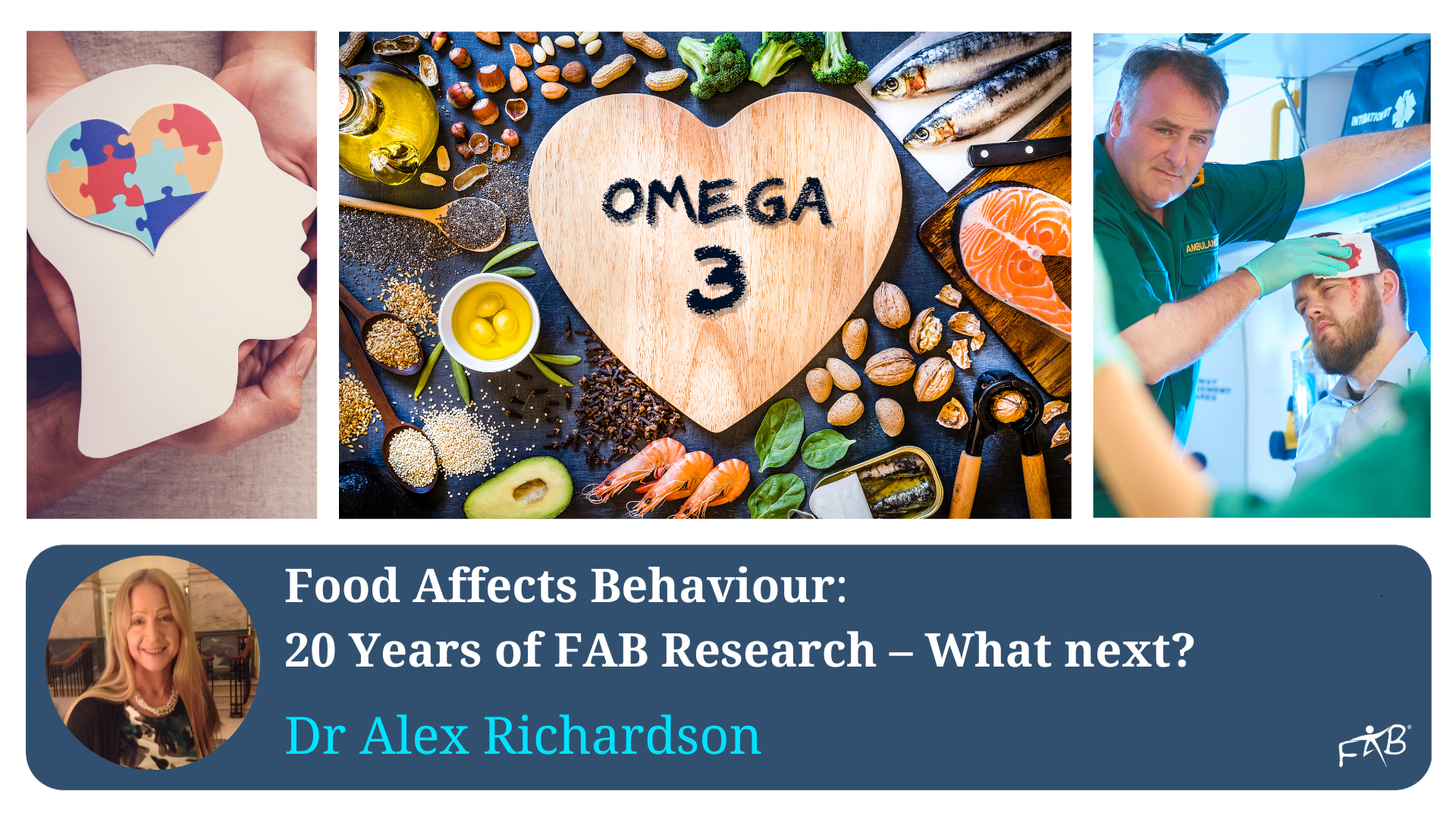
A FAB Research Live Event and Q&A
with Dr Alex Richardson and Hazel De Maeijer
Thursday 30th November 2023
6.30 - 7.30 pm (GMT)
We are now launching our new monthly ‘FAB Focus’ meetings, exploring the many different ways in which Food Affects Behaviour, and the implications of this.
In this first session, founder Dr Alex Richardson will give you an overview summary of:
- FAB's history to date, highlighting groundbreaking research milestones in the field; and outlining new activities we have ongoing, and in the pipeline.
Latest News and Events
Sign up here for our FREE NEWSLETTERS
- 31 Dec 2026
Stay updated on the latest News and Research on how food, diet and nutrition can affect brain health - and therefore our mood, behaviour and learning - at any age
Vitamin B12 clues on cellular metabolism offer hope for new therapies
- 20 Jan 2026
Vitamin B12 is long understood as a vital nutrient required for red blood cell formation and nerve function, but a new Cornell study suggests its role in human biology is far more intricate, with implications for aging, metabolism and disease prevention.
Why strict diets are a bad idea for long-term weight loss
- 13 Jan 2026
While we might think short-term, restrictive diets will help give our waistlines a nudge, psychology and physiology shows us why this strategy can be so hard to stick to – and why it probably won’t result in long-term weight loss.
Weight loss drugs make it harder to get the nutrients you need – here’s what to do about it
- 09 Jan 2026
When food intake drops, the body still needs essential vitamins, minerals and protein to keep cells, muscles and organs functioning properly. If those nutrients are not packed into a smaller amount of food, deficiencies can develop.
Latest newsletters
Recommended Reading
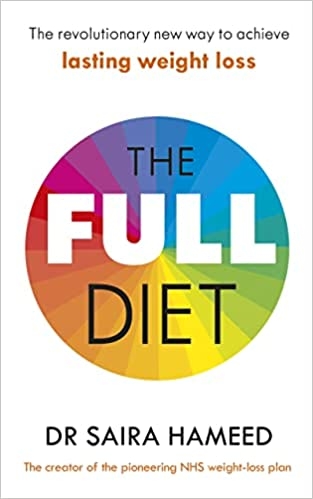
Purchase The Full Diet: The revolutionary new way to achieve lasting weight loss here.
Discover the revolutionary science behind the pioneering weight-loss programme that gets life-changing results.
Join FAB Research

Join FAB Research to benefit from:
- Free access to all FAB Webinars, past and present
- Unrestricted access to our unique FAB Research Audio/Video Library
- Exclusive access to a monthly podcast, video or FAB article/special report
- Free half hour online consultation with the world-renowned Dr Alex Richardson
- Regular email updates on FAB's latest news, research and events

Food and Behaviour Research is a registered charity (No SC034604) and a company limited by guarantee (Co No SC 253448)
Newsletter Signup
Useful Links
Contact Us
FAB Research
23 Carlton Road
Oxford
OX2 7SA
Important Notice
Medical opinion and guidance should always be sought for any symptoms that might possibly reflect a known or suspected disease, disorder or medical condition. Information provided on this website (or by FAB Research via any other means) does not in any way constitute advice on the treatment of any medical condition formally diagnosed or otherwise.
Site by Redstone Websites. Easy to Use Web Content Management. 2026 © All Rights Reserved.