2 October 2017 - MedicalXpress - Study suggests women eating peanuts during breastfeeding could prevent child from developing allergy
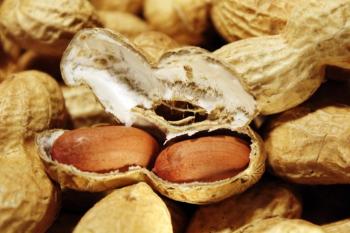
A team of researchers conducting a study on women eating peanuts while breastfeeding has found evidence that suggests it can reduce the chances of their child developing a peanut allergy as long as they also give peanuts directly to the child.
Web URL: Read the story on MedicalXpress here
FAB RESEARCH COMMENT:
See the underpinning research:A team of researchers with members from several institutions in Canada has conducted a study on women eating peanuts while breastfeeding and has found evidence that suggests doing so can reduce the chances of their child developing a peanut allergy as long as they also give peanuts directly to the child. In their paper published in the Journal of Allergy and Clinical Immunology, the group outlines their study, which assessed the habits of hundreds of mothers and their children over the course of several years, and explains what they found by doing so.
As most people are aware, there has been a growing rate of peanut and other allergies in many places around the world, particularly in North America and Europe. Recent research has suggested that it might be due to parents not introducing their children to foods that can cause problems while they are very young. One study actually found that children who consumed peanuts or food containing peanuts at an earlier age had a slightly reduced likelihood of developing an allergy later. In this new effort, the researchers took another approach, studying whether mothers who ate peanuts while breastfeeding their babies might make a difference, as well. They enlisted the assistance of 343 Canadian children and their parents, asking mothers if they ate peanuts, or food that contained them during the time they were breastfeeding their babies. They also asked when they introduced their children directly to peanut products on a regular basis. They then followed the health of the children until they were 15 years old, noting which, if any, developed a peanut allergy.
The researchers report that children born to mothers who had eaten peanuts while breastfeeding and who had also been given peanut products directly during their first year of life had a peanut allergy rate of just 1.7 percent compared to the national overall average of 9.4 percent. They noted also that eating peanuts while breastfeeding but not giving the infant peanuts products directly did not help much, nor did not eating peanuts while breastfeeding but giving the children peanuts during their first year of life. They suggest that their results offer strong evidence that engaging in both activities reduces the chances of children developing a peanut allergy.

Food and Behaviour Research is a registered charity (No SC034604) and a company limited by guarantee (Co No SC 253448)
Newsletter Signup
Useful Links
Contact Us
FAB Research
23 Carlton Road
Oxford
OX2 7SA
Important Notice
Medical opinion and guidance should always be sought for any symptoms that might possibly reflect a known or suspected disease, disorder or medical condition. Information provided on this website (or by FAB Research via any other means) does not in any way constitute advice on the treatment of any medical condition formally diagnosed or otherwise.
Site by Redstone Websites. Easy to Use Web Content Management. 2026 © All Rights Reserved.