Is 'clean eating' just dirty rhetoric?
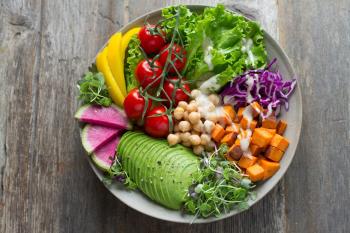
New research finds "clean eating" is perceived as overwhelmingly positive by young people, but those optimistic impressions of "clean diets" may signal a risk for eating disorders.
FAB RESEARCH COMMENT:
'Clean eating' is a term that has no clear, let alone sclentific meaning - but it appears to be something that many young people regard as overwhelmingly positive, and aspire to pursue, according to this new study - even when they acknowledge that doing this is likely to cause distress and disruption to their lives.Eating disorders have become increasingly common, especially in children and young people, and are among the most serious mental health disorders, although they usually co-occur with others. Such issues are always complex, involving many different contributory factors, but these findings indicate that media popularisation of empty phrases like 'clean eating' may interact with and amplify problems for those at risk.
Read the underlying research:
See also:
June 3rd 2019 - Medical Express
--------------------------------------
New research published today in the Journal of Eating Disorders finds "clean eating" is perceived as overwhelmingly positive by young people, but those optimistic impressions of "clean diets" may signal a risk for eating disorders.
Scientists are also calling for additional research to better understand the nature of the "clean eating" diet fad.
Suman Ambwani, a noted scholar in the field of disordered eating and associate professor of psychology at Dickinson College, and a team of researchers, asked nearly 150 college students to define "clean eating."
The students also were asked to read five vignettes featuring different "clean" diets and rate whether they thought the diets were "healthy," reflected "clean eating" and whether they might try them out.
The subjects' responses varied, but overwhelmingly favored "clean eating," even if the so-called "clean" diets caused problems in work, social and emotional functioning.
"It is concerning that our respondents had positive attitudestoward extreme 'clean eating' diets that cause distress and disruption," said Ambwani. "We know dieting can create an increased risk for developing eating disorders, so we need to better understand how ostensibly healthy diets may devolve into disordered eating."
Definitions of "clean eating" typically include elements such as eating local, "real," organic, plant-based, home-cooked foods, but frequently also tout more extreme strategies, like eliminating gluten, grains or dairy. Trendy, "clean eating" diets are often highlighted on social and popular media, typically by nonexpert celebrities, but there is no scientific consensus around what constitutes "clean eating."
The study's results "highlight the need to train consumers to better distinguish between trustworthy and fraudulent sources of information on nutrition and health behaviors," said Ambwani.
"'Clean eating' also appears to bestow an element of moral superiority," she noted. "It can also signify status and is importantly linked with health-related attitudes and behaviors."
Food and Behaviour Research is a registered charity (No SC034604) and a company limited by guarantee (Co No SC 253448)
Newsletter Signup
Useful Links
Contact Us
FAB Research
23 Carlton Road
Oxford
OX2 7SA
Important Notice
Medical opinion and guidance should always be sought for any symptoms that might possibly reflect a known or suspected disease, disorder or medical condition. Information provided on this website (or by FAB Research via any other means) does not in any way constitute advice on the treatment of any medical condition formally diagnosed or otherwise.
Site by Redstone Websites. Easy to Use Web Content Management. 2026 © All Rights Reserved.