Study shows 60% of pregnant women have signs of iodine deficiency
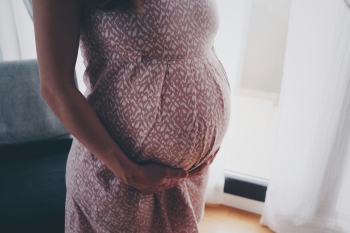
"Our findings are particularly concerning as most women in the study were considered healthy and low risk and two thirds reported taking pregnancy supplements containing iodine. This suggests that additional public health measures may need to be addressed."
Web URL: Read this article on Medical Xpress
FAB RESEARCH COMMENT:
Read the underlying research:For a FAB article explaining the critical importance of iodine during pregnancy, see:
For more information on why these nutrients matter so much, please see:
See also:
- Early life is a critical period, as deficiencies of key nutrients during pregnancy and infancy have lifelong effects on brain development, which increase the risks for a wide range of neurodevelopmental and mental health problems.
A new study by researchers at University College Cork (UCC), Ireland, found that 60% of pregnant women had suboptimal iodine status, highlighting a need for increased nutritional awareness to support maternal and child health.
Published recently in the European Journal of Nutrition, the IMPROvED study evaluated iodine levels in more than 1,500 women who were pregnant with their first baby at Cork University Maternity Hospital. The research was led by Dr. Áine Hennessy from the Irish Center for Maternal and Child Health Research (INFANT) and the Cork Center for Vitamin D & Nutrition Research at the School of Food and Nutritional Sciences.
Key findings
- 60% of participants had insufficient iodine intake.
- The average urinary iodine concentration (UIC) was 125µg/L, below the World Health Organization (WHO) recommended level of 150µg/L for pregnancy.
- Women who were younger, had a higher BMI, lower education levels, or were not taking iodine containing supplements were more likely to be deficient.
- Seasonal variation played a role, with lower iodine levels during the summer months.
- This study highlights the first large scale assessment of iodine status in pregnant women in Ireland.
Iodine is essential for thyroid hormone production, which supports a baby's brain development during pregnancy. A woman's iodine requirement increases by 50% during pregnancy, making adequate intake from our diet essential. Our bodies cannot make iodine, so we must get it from our diet. Deficiency can lead to adverse outcomes, including impaired neurodevelopment in children.
"Iodine deficiency is one of the most common micronutrient deficiencies worldwide, there is little public awareness of the important role that iodine plays in brain development during pregnancy," said Dr. Áine Hennessy, lead researcher.
"Our findings are particularly concerning as most women in the study were considered healthy and low risk and two thirds reported taking pregnancy supplements containing iodine. This suggests that additional public health measures may need to be addressed."
Public health implications
Ireland does not currently have a policy for salt iodization or iodine food fortification. While National Clinical Practice Guidelines recommend prioritizing iodine intake from foods, and supplement use where intake from food is not adequate, the level of awareness of the importance of iodine during pregnancy is low. This research reveals a need for policy review and nutrition education for women of childbearing age.
Dr. Hennessy advises, "Women planning a pregnancy should ensure adequate iodine intake through diet—including two or more servings of milk or yogurt daily and eating white fish once a week is recommended by the HSE. For those following vegan or predominantly plant-based diets, it's important to choose iodine-fortified alternatives. We do not recommend kelp or seaweed supplements, as they can contain very high levels of iodine that can cause issues for the thyroid."
These findings serve as an important first step in informing and guiding public health nutrition policies.

Food and Behaviour Research is a registered charity (No SC034604) and a company limited by guarantee (Co No SC 253448)
Newsletter Signup
Useful Links
Contact Us
FAB Research
23 Carlton Road
Oxford
OX2 7SA
Important Notice
Medical opinion and guidance should always be sought for any symptoms that might possibly reflect a known or suspected disease, disorder or medical condition. Information provided on this website (or by FAB Research via any other means) does not in any way constitute advice on the treatment of any medical condition formally diagnosed or otherwise.
Site by Redstone Websites. Easy to Use Web Content Management. 2026 © All Rights Reserved.