Vitamin D supplements may slow cellular aging
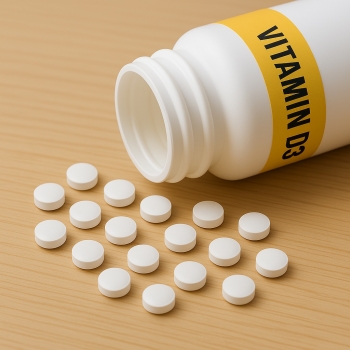
A new study suggests that Vitamin D supplements may help preserve telomeresexternal link—the DNA caps at the ends of chromosomes that maintain genetic stability and protect against cell death. If the findings can be replicated, researchers say, they could point to a “promising strategy†for countering biological aging.
Web URL: Read this article on NHLBI
FAB RESEARCH COMMENT:
Read the underlying research here:For further informationn please see:
-
Can One Gram of Omega-3 Really Slow Aging? Here’s What Science Says
-
In-depth review reveals dietary lipid intervention as potential strategy to prevent brain aging
-
Omega 3s may hold the secret to slowing the process of aging, experts reveal
-
Vitamin D, Omega-3 May Help Clear Amyloid Plaques Found in Alzheimer's
A new study suggests that Vitamin D supplements may help preserve telomeresexternal link—the DNA caps at the ends of chromosomes that maintain genetic stability and protect against cell death. If the findings can be replicated, researchers say, they could point to a “promising strategy” for countering biological aging.
Telomeres, which are themselves made of DNA, shorten every time a cell divides; this shortening has been linked to aging and to age-related diseases like vascular dementia, type II diabetes, and cancer.
To find out whether Vitamin D supplements can slow this process, scientists examined the white blood cells of more than 900 people enrolled in the VITamin D and OmegA-3 TriaL (VITAL) trial, a randomized controlled trial of Vitamin D and omega-3 supplementation in nearly 26,000 men and women over five years. Roughly half the participants took 2000 IUs of Vitamin D3 per day; the other half took a placebo.
When researchers compared telomere length in white blood cells between the two groups, they found a significant difference: Telomeres in the Vitamin D group were longer over time, losing 140 fewer base pairs of DNA on average over four years. (Participants started with an average of 8700 base pairs.) Based on previous studies, that could equal up to three years of aging, the researchers say.

Food and Behaviour Research is a registered charity (No SC034604) and a company limited by guarantee (Co No SC 253448)
Newsletter Signup
Useful Links
Contact Us
FAB Research
23 Carlton Road
Oxford
OX2 7SA
Important Notice
Medical opinion and guidance should always be sought for any symptoms that might possibly reflect a known or suspected disease, disorder or medical condition. Information provided on this website (or by FAB Research via any other means) does not in any way constitute advice on the treatment of any medical condition formally diagnosed or otherwise.
Site by Redstone Websites. Easy to Use Web Content Management. 2026 © All Rights Reserved.