Gut bacteria may play role in bipolar depression by directly influencing brain connectivity
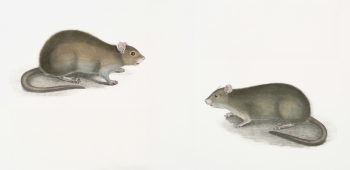
Recent studies suggest that the bacteria and microorganisms living in the digestive system, also known as gut microbiota, play a key role in mental health and might also contribute to some symptoms of bipolar disorder (BD).
Web URL: Read this article on Medical Xpress
FAB RESEARCH COMMENT:
Underlying research:You may also be interested in:
See also:
23/12/2025 - Medical Xpress
-------------------------
Gut bacteria may play role in bipolar depression by directly influencing brain connectivity
Bipolar disorder (BD) is a psychiatric disorder characterized by extreme mood changes. Individuals diagnosed with BD typically alternate between periods of high energy, euphoria, irritability and/or impulsivity (i.e., manic episodes) and others marked by feelings of sadness, low energy, and hopelessness (i.e., depression).
While there are now several medications that can help patients to manage the disorder and stabilize their mood, many of these drugs have side effects and dosages often need to be periodically adjusted. Recent studies suggest that the bacteria and microorganisms living in the digestive system, also known as gut microbiota, play a key role in mental health and might also contribute to some symptoms of BD.
Researchers at Zhejiang University, the Nanhu Brain-Computer Interface Institute and other institutes recently carried out a study investigating the possible connection between gut microbiota and the depressive episodes experienced by people diagnosed with BD. Their findings, published in Molecular Psychiatry, suggest that the microorganisms in the digestive system can directly influence connections between specific brain regions known to be affected by BD depression.
"Adequate evidence has shown that gut microbial dysbiosis is an emerging disease phenotype of BD and is closely related to clinical symptoms of this intractable disease," wrote Anying Tang, Yiwen Chen and their colleagues in their paper.
"However, how gut microbiota affects the nervous system in BD remains largely unclear. In this study, we constructed a BD depression-like mouse model via fecal microbiota transplantation, and explored the changes of synaptic plasticity and connectivity in the medial prefrontal cortex (mPFC) of BD mice."
Modeling BD depression and its underlying gut bacteria
To explore the link between gut microbiota and BD depression, the researchers collected gut bacteria from individuals diagnosed with BD who were going through a depressive phase. They then transplanted these bacteria into the digestive system of healthy mice.
"We found that bipolar depression-like mice presented with a decrease in the density of dendritic spines in medial prefrontal neurons, and translation post-synapse as a key contributor to the changes in synaptic plasticity," wrote the authors.
"In addition, analysis of synaptic connectivity in the mPFC revealed that compared to control mice, fewer connections were observed between ventral tegmental area and mPFC glutamate neurons and dopamine response was decreased in BD mice."
Notably, the researchers found that after they received the microbiota taken from individuals who were experiencing BD depression, the mice also started exhibiting depression-like behaviors. In addition, neurons in two brain regions known to be implicated in mood regulation, namely the ventral tegmental area (VTA) and the medial prefrontal cortex (mPFC), appeared to be less connected with each other.
The team also observed disruptions in the production of proteins and reduced dopamine signaling. Dopamine signaling (i.e., the release of dopamine) is essential for maintaining motivation and emotional regulation.
Improving the future treatment of BD
The results of this study confirm that microorganisms and bacteria in the gut can influence the connections between neurons in different brain regions. These altered connections could in turn have an impact on motivation, mood regulation and the processing of emotions.
"These findings suggest that gut microbiota from BD depression patients induces the development of bipolar depression possibly by modulating aberrant synaptic connectivity and dopamine transmission in the VTA-mPFC pathway, which sheds light on the microbiota-gut-brain mechanisms underlying BD," wrote Tang, Chen and their colleagues.
The team's findings will need to be validated in humans before they can be reliably translated into psychiatric and medical insight. In the future, however, they could potentially help to identify promising pathways for the treatment of depression in patients diagnosed with BD, which are designed to alter their gut microbiota.

Food and Behaviour Research is a registered charity (No SC034604) and a company limited by guarantee (Co No SC 253448)
Newsletter Signup
Useful Links
Contact Us
FAB Research
23 Carlton Road
Oxford
OX2 7SA
Important Notice
Medical opinion and guidance should always be sought for any symptoms that might possibly reflect a known or suspected disease, disorder or medical condition. Information provided on this website (or by FAB Research via any other means) does not in any way constitute advice on the treatment of any medical condition formally diagnosed or otherwise.
Site by Redstone Websites. Easy to Use Web Content Management. 2026 © All Rights Reserved.