How Sugary Drinks Increase Liver Fat
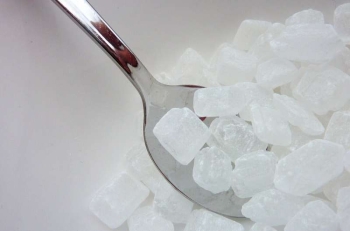
Frequent consumption of sugar-sweetened beverages (SSBs) is a major source of added sugars in the US diet and is consistently linked to adverse cardiometabolic outcomes, including obesity, type 2 diabetes, cardiovascular disease, and metabolic dysfunction-associated steatotic liver disease (MASLD). While non-sugar sweeteners reduce sugar intake, evidence suggests they are not inherently liver protective and should be used primarily as a substitution strategy within a framework of overall dietary quality and reduced added sugars.
Web URL: Read this article on Medscape
FAB RESEARCH COMMENT:
You may also be interested in:- FAB Article: Ultra-Processed Food and Mental Health
See also:
04/03/2026 - Medscape Gastroenterology
-----------------------------
Sugar-sweetened beverages (SSBs) are drinks sweetened with caloric sugars, most commonly sucrose or high-fructose corn syrup. SSBs encompass soda, sweet tea, fruit drinks (excluding 100% juice), sports and energy drinks, sweetened coffee drinks, and flavored waters.
SSBs remain a dominant source of added sugars in the US diet. In an analysis of National Health and Nutrition Examination Survey data from 2017-2018, 65% of US adults reported consuming an SSB on a given day. This makes SSBs a routine metabolic exposure.
Frequent SSB intake is consistently associated with adverse cardiometabolic outcomes, including increased risk of weight gain and obesity, type 2 diabetes, cardiovascular disease, and downstream complications such as dental caries and gout.
The mechanism of delivery also matters. SSBs provide concentrated sugar doses with minimal satiety and little nutritional offset, and their intake often tracks with broader ultra-processed dietary patterns.
Sugar Lands Harder in the Liver
SSBs deliver large boluses of free sugars in a rapidly absorbable form. Most are sweetened with sucrose or high-fructose corn syrup, both of which contain fructose. At higher levels, fructose is cleared predominantly by the liver, increasing substrate delivery into lipogenic pathways.
Fructose exposure increases hepatic de novo lipogenesis through upregulation of lipogenic programs, including activation of sterol regulatory element-binding protein 1c, with downstream increases in enzymes that support fatty acid synthesis and triglyceride production. This increased lipogenic flux contributes to hepatic lipid accumulation and may worsen insulin sensitivity, particularly in metabolically susceptible individuals.
Epidemiological data consistently link higher SSB intake with liver disease. Higher consumption has been associated with 40% higher odds of metabolic dysfunction-associated steatotic liver disease (MASLD). Data from the Framingham Heart Study similarly linked greater SSB intake to increases in liver fat and higher odds of incident MASLD over 6 years. Daily SSB intake (= 1 serving/day vs = 3/month) has been associated with higher liver cancer incidence and increased chronic liver disease mortality.
How Sweet (and Safe) It Is
Non-sugar sweeteners (often termed high-intensity sweeteners) are sugar substitutes with high sweetening potency and minimal caloric contribution. Six are approved by the US FDA: saccharin, aspartame, acesulfame potassium, sucralose, neotame, and advantame. Because of their potency relative to sucrose, very small quantities achieve the desired sweetness.
Use of non-sugar sweeteners has increased steadily. Approximately 19% of US children and more than 25% of US adults reported consumption between 2009 and 2010. Market estimates placed the global artificial sweeteners market at approximately $7.8 billion in 2020, which was projected to reach $9.6 billion by 2026.
Proposed mechanisms linking non-sugar sweeteners to metabolic disease include altered sweet-taste signaling, dietary compensation, and microbiome-mediated effects. Health impacts are difficult to generalize because outcomes vary by compound, dose, background diet, and study design. Crucially, the World Health Organization has emphasized that its guidance does not constitute a toxicology safety assessment of individual sweeteners.
Sugar-Free is Not Always Free
Artificially sweetened beverages reduce sugar substrate exposure. Beyond that, liver-specific outcomes are less consistent, and observational comparisons are strongly shaped by baseline metabolic risk and substitution patterns.
Non-nutritive sweeteners have no significant effect on aminotransferases, but aminotransferases are limited surrogates for steatosis and fibrosis. Higher intake of non-sugar sweeteners has been associated with increased rates of type 2 diabetes and cardiovascular events over time, even after adjustment for baseline diet and cardiometabolic risk.
Preliminary animal studies and small human trials suggest that artificial sweeteners and sugar alcohols (polyols) may alter gut microbiota and metabolic signaling in ways relevant to steatosis pathways. In observational studies, individuals who primarily consume artificially sweetened beverages have shown a higher prevalence of fatty liver than non-consumers, although these data do not establish causality. More recent analyses have associated artificially sweetened beverage intake with higher liver fat content and markers of hepatic fibro-inflammation.
Taken together, these findings do not establish that non-sugar sweeteners cause metabolic or liver disease. However, “sugar-free” does not automatically mean metabolically neutral, particularly when diet beverages become a long-term default rather than a transitional substitute. Non-sugar sweeteners appear best suited as a substitution tool, not a primary strategy for long-term health improvement or weight control.
A Bittersweet Bottom Line
Replacing SSBs reduces hepatic sugar delivery and represents a high-yield, evidence-supported intervention for patients at risk for or with MASLD. Beyond sugar reduction, current evidence does not support framing non-sugar sweeteners as intrinsically liver protective.
Clinical guidance should prioritize overall dietary quality, explicitly emphasize reducing added sugars, and avoid positioning sweetened beverages (whether sugar-sweetened or artificially sweetened) as a default daily habit.

Food and Behaviour Research is a registered charity (No SC034604) and a company limited by guarantee (Co No SC 253448)
Newsletter Signup
Useful Links
Contact Us
FAB Research
23 Carlton Road
Oxford
OX2 7SA
Important Notice
Medical opinion and guidance should always be sought for any symptoms that might possibly reflect a known or suspected disease, disorder or medical condition. Information provided on this website (or by FAB Research via any other means) does not in any way constitute advice on the treatment of any medical condition formally diagnosed or otherwise.
Site by Redstone Websites. Easy to Use Web Content Management. 2026 © All Rights Reserved.