Ultra-processed food defined: not all that complicated
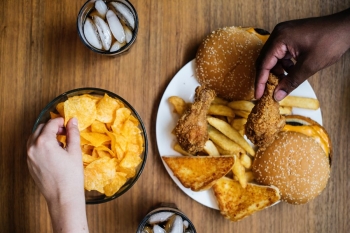
Secretary Kennedy promised to define ultra-processed foods by April (after a call for input), but then said it may be too complicated to define these foods for policy purposes. Apparently not.
Web URL: Read this article on Food Politics
FAB RESEARCH COMMENT:
You may also be interested in:- FAB Article: Ultra-Processed Food and Mental Health
- FAB Article: Food Addiction - An Update on the Science
- Food ‘Addiction’ is a highly debated and controversial issue. The food industry plays a key role, highlighting the need for greater awareness of the issues and consideration of potential policy interventions.
See also:
14/05/2026 - Marion Nestle
----------------------
Secretary Kennedy promised to define ultra-processed foods by April (after a call for input), but then said it may be too complicated to define these foods for policy purposes.
Apparently not.
Healthy Eating Research convened an expert panel.
It made three recommendations:
I. Definition
A food product is ultra-processed if it contains at least one
Cosmetic additive
Examples: flavors (natural or artificial), emulsifiers, sweeteners (both sugar and non-sugar), colors (natural or artificial), thickeners, bulking agents, gelling agents, glazing agents, carbonating agents, anti-foaming agents, and other additives recognized by FDA or Codex technical classifications.
And/or
Non-culinary ingredient
Examples: casein, dextrose, high-fructose corn syrup, maltodextrin, modified starch, protein isolates (e.g., soy or whey), hydrogenated or interesterified oils, mechanically separated meats, lactose, lecithin, and others.
II. Exempt ingredients
Some ingredients do not mark foods as ultra-processed:
- Vitamins
- Minerals
- Herbs
- Spices
- Yeast-derived ingredients
III. Exempt foods
Foods that meet the FDA’s definition for “Healthy” claims are not considered ultra-processed. These contain:
- Adequate amounts of recommended food groups
- Less than FDA thresholds for added sugar, sodium, and saturated fat
- No non-sugar sweeteners
Using this definition, the panel recommended a broad range of policies to deal with ultra-processed foods. These are worth a look and further discussion. See:
- Executive Summary
- Technical Report
- Partner Toolkit
FDA: take note. This ought to work. Now you can get started on some policy actions!

Food and Behaviour Research is a registered charity (No SC034604) and a company limited by guarantee (Co No SC 253448)
Newsletter Signup
Useful Links
Contact Us
FAB Research
23 Carlton Road
Oxford
OX2 7SA
Important Notice
Medical opinion and guidance should always be sought for any symptoms that might possibly reflect a known or suspected disease, disorder or medical condition. Information provided on this website (or by FAB Research via any other means) does not in any way constitute advice on the treatment of any medical condition formally diagnosed or otherwise.
Site by Redstone Websites. Easy to Use Web Content Management. 2026 © All Rights Reserved.