News
Latest News List

Sign up here for our FREE NEWSLETTERS
Stay updated on the latest News and Research on how food, diet and nutrition can affect brain health - and therefore our mood, behaviour and learning - at any age

New evidence offers hope for ketogenic therapy in treatment of anorexia nervosa
A ketogenic nutritional intervention—a high-fat, low-carbohydrate, moderate-protein diet—was feasible and safe for patients with weight-normalized and mildly underweight anorexia nervosa. This pilot study demonstrates the potential of a new approach to treating anorexia nervosa.

Summer sun fails to fix vitamin D gap in at risk groups
Vitamin D levels remain low all year-round in key at-risk groups in England, challenging the belief that summer sunlight is enough to restore them.

New Evidence Offers Hope for Ketogenic Therapy in Treatment of Anorexia Nervosa
Peer-reviewed feasibility pilot trial reports reduced eating disorder and depressive symptoms in difficult-to-treat psychiatric condition

Americans agree that ultraprocessed foods pose a major health hazard
Across partisan lines, Americans broadly believe ultraprocessed foods are addictive and harmful—expressing attitudes strikingly like those that spurred regulation of the tobacco industry, new research finds.

How big tobacco helped shape the design of ultra-processed foods
Philip Morris Companies Inc. used cigarette research, flavor engineering, and behavioral science to turn Lunchables into one of America's most successful ultra-processed foods for children, a new study reveals.

What is ‘clean eating’ and how can it affect wellbeing?
A nutritious diet is one of the key ways to stay physically and mentally fit. Research suggests it may reduce your risk of developing various conditions, including type 2 diabetes, heart disease and certain cancers. Diet may also help protect against depression and other mental health concerns. But for some people, eating so-called “clean” foods can become an obsession. And social media can exacerbate this. So what is “clean eating”? And when could it be harmful?
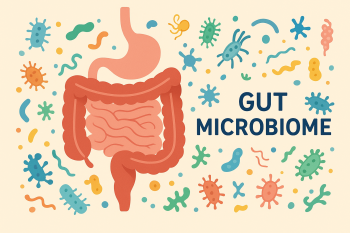
The Unexpected Impact of Glyphosate on the Microbiome
The most popular herbicide on the planet is also killing gut microbes.

What you eat as a teenager may shape food choices later in life
An unhealthy diet during adolescence could have long-lasting effects on how the brain makes decisions about food—even after returning to a healthy diet, new research suggests.

Ultra-processed food defined: not all that complicated
Secretary Kennedy promised to define ultra-processed foods by April (after a call for input), but then said it may be too complicated to define these foods for policy purposes. Apparently not.

Egg consumption associated with a lower risk of Alzheimer's disease
Consumption of eggs is associated with a lower risk of being diagnosed with Alzheimer's disease for those 65 years and older, according to researchers. Eating one egg per day for at least five days a week reduces the risk of Alzheimer's by up to 27%, researchers found.

How unhealthy ultra‑processed foods are designed and marketed to make us crave them
Companies that produce UPFs play on human nature to make products seem the easiest, most rewarding and compelling option, new research explores.
Why lithium is still the gold standard in treating bipolar disorder
Only 29% of people with bipolar disorder are prescribed lithium, according to recent data. Despite being the "gold standard" for treating this mental health condition, we often prioritise perceptions over scientific reality, and neglect the best available treatment.

Yellow food coloring changes gut microbiome in early life
A food coloring widely used in the U.S. and worldwide has been found to alter the balance of bacteria living in the gut and may cause low levels of inflammation.

Why sugar may undermine meditation and massage, even when you feel calm
Relaxation exercises may be less effective on a full stomach, new study suggests

New study finds a missing link in how the brain regulates appetite
A previously unknown communication chain in the hypothalamus—the region of the brain responsible for regulating hunger and fullness, identified. These findings could eventually point to new ways of targeting appetite-related conditions such as obesity and eating disorders.

Pregnancies are helped 10 ways by Vitamin D - umbrella analysis
Vitamin D supplementation during pregnancy and maternal and neonatal outcomes: results from a quantitative umbrella meta-analysis

A 20% tax on junk food could save more lives than a sugar tax
Every shopper knows the pull of cheap junk foods lining supermarket shelves. Meanwhile, the cost of fresh fruit and vegetables continues to climb. So it's little wonder conditions such as obesity and type 2 diabetes are so common, and healthcare systems struggle to cope.

Caffeine helps restore memory function after sleep loss, study shows
Caffeine can restore social memory impaired by sleep deprivation by targeting a defined brain pathway, researchers demonstrate.

Ultra-processed foods linked to reduced fertility and embryonic development
Eating large amounts of ultra-processed food (UPF) is linked not only to reduced fertility in men, but also to slower growth in early embryos, and smaller yolk sacs, which are essential for early embryonic development, according to new research.
- 1
- 2
- 3
- 4
- 5
- 6
- 7
- 8
- 9
- 10
- 11
- 12
- 13
- 14
- 15
- 16
- 17
- 18
- 19
- 20
- 21
- 22
- 23
- 24
- 25
- 26
- 27
- 28
- 29
- 30
- 31
- 32
- 33
- 34
- 35
- 36
- 37
- 38
- 39
- 40
- 41
- 42
- 43
- 44
- 45
- 46
- 47
- 48
- 49
- 50
- 51
- 52
- 53
- 54
- 55
- 56
- 57
- 58
- 59
- 60
- 61
- 62
- 63
- 64
- 65
- 66
- 67
- 68
- 69
- 70
- 71
- 72
- 73
- 74
- 75
- 76
- 77
- 78
- 79
- 80
- 81
- 82
- 83
- 84
- 85
- 86
- 87
- 88
- 89
- 90
- 91
- 92
- 93
- 94
- 95
- 96
- 97
- 98
- 99
- 100
- 101
- 102
- 103
- 104
- 105
- 106
- 107
- 108
- 109
- 110
- 111
- 112
- 113
- 114
- 115
- 116
- 117
- 118
- 119
- 120
- 121
- 122
- 123
- 124
- 125
- 126
- 127
- 128
- 129
- 130
- 131
- 132
- 133
- 134
- 135
- 136
- 137
- 138
- 139
- 140
- 141
- 142
- 143
- 144
- 145
- 146
- 147
- 148
- 149
- 150
- 151
- 152
- 153
- 154
- 155
- 156
- 157
- 158
- 159
- 160
- 161
- >

Food and Behaviour Research is a registered charity (No SC034604) and a company limited by guarantee (Co No SC 253448)
Newsletter Signup
Useful Links
Contact Us
FAB Research
23 Carlton Road
Oxford
OX2 7SA
Important Notice
Medical opinion and guidance should always be sought for any symptoms that might possibly reflect a known or suspected disease, disorder or medical condition. Information provided on this website (or by FAB Research via any other means) does not in any way constitute advice on the treatment of any medical condition formally diagnosed or otherwise.
Site by Redstone Websites. Easy to Use Web Content Management. 2026 © All Rights Reserved.