News
Latest News List

Low folate levels can indicate malnutrition in hospital patients
About 10% of patients who come to complex care hospitals may have low levels of folate and other indicators of malnutrition, investigators say.

17 February 2020 - Nutraingredients - Poop-eating lab mice affect probiotic research outcomes, says study
Researchers have studied a key difference between the microbiome of lab mice and humans caused by rodents' tendency to eat their own faeces, which they say could have wide-ranging implications to numerous research areas.

How ultra-processed food took over your shopping basket
What characterises ultra-processed foods is that they are so altered that it can be hard to recognise the underlying ingredients. These are concoctions of concoctions, engineered from ingredients that are already highly refined, such as cheap vegetable oils, flours, whey proteins and sugars, which are then whipped up into something more appetising with the help of industrial additives such as emulsifiers.

Component of human breast milk enhances cognitive development in babies
The carbohydrate oligosaccharide 2'FL found in breast milk enhances cognitive development in babies, new study claims.

12 February 2020 - MedicalXpress - Nutrition a key ingredient for psychological health in Canadian adults
A new study investigating factors that contribute to psychological distress in adults has found that that risk of malnourishment is linked to psychological distress among Canadians aged 45 years and older.

Vitamin D deficiency during pregnancy connected to elevated risk of ADHD
According to a new study, the risk of ADHD is significantly higher in children whose mothers had a vitamin D deficiency during pregnancy, compared to children whose mother's vitamin D levels were sufficient.

More people and fewer wild fish lead to an omega-3 supply gap
Dwindling fish stocks worldwide, combined with a growing population, mean that a substantial number of people on the planet don't get enough of the essential omega-3 fatty acids, a new study underlines.

Neurobiological mechanisms involved in the loss of control over food intake revealed, in a study in mice
Researchers have identified for the first time the involvement of certain cortical areas in the brain in the loss of control over food intake.

Does social media influence the way we eat? One study says yes
Social media users are likely to eat more fruit and vegetables as well as junk food if they think their online peers are doing the same, a new study reports.

Gluten-free and dairy-free diets: No effect on behavior of children with autism spectrum disorders
Research conducted at the UGR reaffirms that gluten- and casein-free diets are not helpful as a standardised treatment for all children diagnosed with an autism spectrum disorder. It may be that those cases with associated gastrointestinal disorders may benefit from such an approach.

5 February 2020 - Futurity - Do ‘forever chemicals’ PFOs and PFOA sap dopamine?
New research with roundworms investigates the effects of “forever chemicals†PFOS and PFOA on dopamine levels.

Dietary interventions may slow onset of inflammatory and autoimmune disorders
Significantly reducing dietary levels of the amino acid methionine - found in meat, fish, and dairy products - could slow onset and progression of inflammatory and autoimmune disorders such as multiple sclerosis in high-risk individuals, according to new research.

Should you be worried that food isn't as good for you as it used to be?
The National Diet And Nutrition Survey shows that mineral deficiency is problem for millions of Britons today. This Mail Online article provides a summary of the issue.

Fish oil beats curcumin for brain & heart health biomarker improvements in older people
Supplementation with fish oil, but not curcumin, may improve biomarkers of cardiovascular and cerebrovascular function in older sedentary overweight/obese adults, says a new study from Australia.

29 January 2019 - MedicalXpress - Connection between alcohol use and depression could aid treatment
People with alcohol use dependence are almost four times more likely to also have a major depressive disorder - study.

Abstaining from alcohol during pregnancy the only safe approach
Drinking alcohol during pregnancy leads to poorer cognitive functioning in children, according to the most comprehensive review on the issue to date.
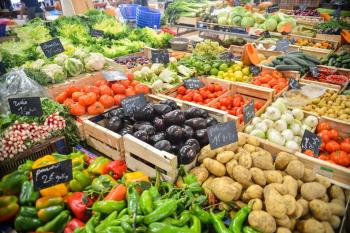
29 January 2019 - MedicalXpress - Study: Antioxidant flavonol linked to lower risk of Alzheimer's dementia
People who eat or drink more foods with the antioxidant flavonol, which is found in nearly all fruits and vegetables as well as tea, may be less likely to develop Alzheimer's dementia years later - study.

Low-calorie sweeteners do not mean low risk for infants
Consumption of low-calorie sweeteners during pregnancy increases body fat in offspring and disrupts their gut microbiota - study.

Gut feelings: Gut bacteria are linked to our personalities
Study finds that gut microbiome composition and diversity are related to differences in personality, including sociability and neuroticism.
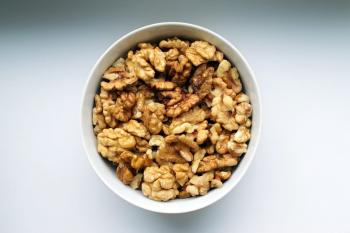
28 January 2020 - MedicalXpress - Walnuts may slow cognitive decline in at-risk elderly
Eating walnuts may help slow cognitive decline in at-risk groups of the elderly population, according to a study conducted by researchers in California and Spain.
- <
- 1
- 2
- 3
- 4
- 5
- 6
- 7
- 8
- 9
- 10
- 11
- 12
- 13
- 14
- 15
- 16
- 17
- 18
- 19
- 20
- 21
- 22
- 23
- 24
- 25
- 26
- 27
- 28
- 29
- 30
- 31
- 32
- 33
- 34
- 35
- 36
- 37
- 38
- 39
- 40
- 41
- 42
- 43
- 44
- 45
- 46
- 47
- 48
- 49
- 50
- 51
- 52
- 53
- 54
- 55
- 56
- 57
- 58
- 59
- 60
- 61
- 62
- 63
- 64
- 65
- 66
- 67
- 68
- 69
- 70
- 71
- 72
- 73
- 74
- 75
- 76
- 77
- 78
- 79
- 80
- 81
- 82
- 83
- 84
- 85
- 86
- 87
- 88
- 89
- 90
- 91
- 92
- 93
- 94
- 95
- 96
- 97
- 98
- 99
- 100
- 101
- 102
- 103
- 104
- 105
- 106
- 107
- 108
- 109
- 110
- 111
- 112
- 113
- 114
- 115
- 116
- 117
- 118
- 119
- 120
- 121
- 122
- 123
- 124
- 125
- 126
- 127
- 128
- 129
- 130
- 131
- 132
- 133
- 134
- 135
- 136
- 137
- 138
- 139
- 140
- 141
- 142
- 143
- 144
- 145
- 146
- 147
- 148
- 149
- 150
- 151
- 152
- 153
- 154
- 155
- 156
- 157
- 158
- 159
- 160
- 161
- >

Food and Behaviour Research is a registered charity (No SC034604) and a company limited by guarantee (Co No SC 253448)
Newsletter Signup
Useful Links
Contact Us
FAB Research
23 Carlton Road
Oxford
OX2 7SA
Important Notice
Medical opinion and guidance should always be sought for any symptoms that might possibly reflect a known or suspected disease, disorder or medical condition. Information provided on this website (or by FAB Research via any other means) does not in any way constitute advice on the treatment of any medical condition formally diagnosed or otherwise.
Site by Redstone Websites. Easy to Use Web Content Management. 2026 © All Rights Reserved.