News
Latest News List

Rise of Obesity in America: Should We Be Alarmed?
In 2018, for the first time, more than 35% of adults in 9 mostly southern US states - Alabama, Arkansas, Iowa, Kentucky, Louisiana, Mississippi, Missouri, North Dakota, and West Virginia - were obese.
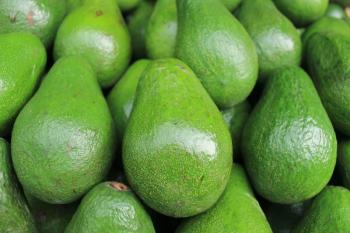
30 October 2019 - MedicalXpress - Avocados may help manage obesity, prevent diabetes
Avocatin B, a monounsaturated fat found only in avocados can inhibit cellular processes that normally lead to diabetes.

30 October 2019 - Helio - Parents of children with autism may benefit from diet interventions
Study finds that parental dietary intake and mealtime eating habits can contribute to disruptive behaviour associated with autism. The study was based on a survey for families living with autism, and included 21 questions regarding mealtime behaviour, feelings about mealtime behaviour, weight change and parent/caregiver dietary habits.

29 October 2019 - MedicalXpress - Drinking more water improves multitasking ability in children, study finds
Drinking water not only keeps children hydrated, but also increases their ability to multitask, suggests a new study.

Trans fats linked to higher dementia risk
A diet high in trans fats could put you at increased risk for dementia.

29 October 2019 - MedicalXpress - Can't stop putting your hand in the candy dish? Scientists may have found why
Scientists identify a circuit in the brain that appears to be associated with psychiatric disorders ranging from overeating to gambling, drug abuse and even Parkinson's disease.

28 October 2019 - MedicalXpress - Workplace sales ban on sugared drinks shows positive health effects
A workplace ban on the sale of sugar-sweetened beverages led to a 48.5 percent average reduction in their consumption and significantly less belly fat among 202 Californian participants in this study.

Analysis finds little evidence to support dietary interventions for autism
Special diets that eliminate certain foods or contain added supplements have minimal impact on autism traits, according to a review of data from 27 clinical trials.

Gluten-free diets won't help healthy guts
Healthy people who avoid gluten by choice may not get any benefit from the gluten-free restriction on their diet, according to new research.

Should We Use Food to Treat Depression?
What new research tells us about dietary interventions for depression.

Vitamin B12 deficiency: what is pernicious anaemia, and why can it be so dangerous?
An estimated 6% of people in the US and UK suffer from vitamin B12 deficiency. The condition is recognised by the World Health Organisation as a global health problem that could impact millions of lives.

Where the sun doesn't shine? Skin UV exposure reflected in poop
The sun can indeed shine out of your backside, suggests research. Not because you're self-absorbed, but because you've absorbed gut-altering UV radiation.

Blood biomarker for dietary trans fats predicts dementia, Alzheimer's disease
Higher serum levels of elaidic acid, an objective biomarker for industrial trans fat, are associated with an increased risk for developing all-cause dementia and Alzheimer disease.

Gut instincts: Researchers discover first clues on how gut health influences brain health
Study provides new insight into the mechanisms of how the gut and brain communicate at the molecular level.
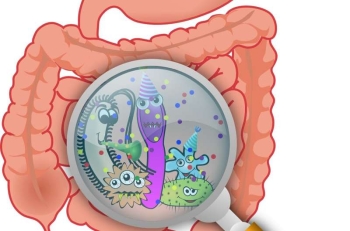
Unending Fear and the Gut-Brain Axis - A mouse study finds a remarkable microbial connection to fear
A mouse study finds a remarkable microbial connection to fear.

High-salt diet promotes cognitive impairment through the Alzheimer-linked protein tau
A high-salt diet may negatively affect cognitive function by causing a deficiency of nitric oxide, which is vital for maintaining vascular health in the brain, according to this mouse-based study

22 October 2019 - MedicalXpress - Reduced food intake in old mice can no longer improve health
Reduced food intake helps improve health in old age and can prolong life. But you need to curb the overeating early.

2 In 5 Young Adults Have Untreated Substance Use Disorder
A growing number of young adults are dealing with a substance use disorder, and in some cases, multiple substance use disorders, and not seeking help, according to a study.
Evidence of behavioral, biological similarities between compulsive overeating and addiction
The chronic cyclic pattern of overeating followed by undereating, reduces the brain's ability to feel reward and may drive compulsive eating.

17 October 2019 - MedicalXpress - Lead exposure linked to lower quality sleep in youth
Young people who are exposed to lead may have a harder time getting a good night's sleep, which may affect their cognitive abilities, according to a new study.
- <
- 1
- 2
- 3
- 4
- 5
- 6
- 7
- 8
- 9
- 10
- 11
- 12
- 13
- 14
- 15
- 16
- 17
- 18
- 19
- 20
- 21
- 22
- 23
- 24
- 25
- 26
- 27
- 28
- 29
- 30
- 31
- 32
- 33
- 34
- 35
- 36
- 37
- 38
- 39
- 40
- 41
- 42
- 43
- 44
- 45
- 46
- 47
- 48
- 49
- 50
- 51
- 52
- 53
- 54
- 55
- 56
- 57
- 58
- 59
- 60
- 61
- 62
- 63
- 64
- 65
- 66
- 67
- 68
- 69
- 70
- 71
- 72
- 73
- 74
- 75
- 76
- 77
- 78
- 79
- 80
- 81
- 82
- 83
- 84
- 85
- 86
- 87
- 88
- 89
- 90
- 91
- 92
- 93
- 94
- 95
- 96
- 97
- 98
- 99
- 100
- 101
- 102
- 103
- 104
- 105
- 106
- 107
- 108
- 109
- 110
- 111
- 112
- 113
- 114
- 115
- 116
- 117
- 118
- 119
- 120
- 121
- 122
- 123
- 124
- 125
- 126
- 127
- 128
- 129
- 130
- 131
- 132
- 133
- 134
- 135
- 136
- 137
- 138
- 139
- 140
- 141
- 142
- 143
- 144
- 145
- 146
- 147
- 148
- 149
- 150
- 151
- 152
- 153
- 154
- 155
- 156
- 157
- 158
- 159
- 160
- 161
- >

Food and Behaviour Research is a registered charity (No SC034604) and a company limited by guarantee (Co No SC 253448)
Newsletter Signup
Useful Links
Contact Us
FAB Research
23 Carlton Road
Oxford
OX2 7SA
Important Notice
Medical opinion and guidance should always be sought for any symptoms that might possibly reflect a known or suspected disease, disorder or medical condition. Information provided on this website (or by FAB Research via any other means) does not in any way constitute advice on the treatment of any medical condition formally diagnosed or otherwise.
Site by Redstone Websites. Easy to Use Web Content Management. 2026 © All Rights Reserved.