News
Latest News List

1 October 2019 - The Conversation - Sugary drinks tax is working: Now it's time to target snacks
Initial results from countries that have introduced a sugary snack tax suggests they have the potential to reduce consumption of sugar and so may help to reduce obesity, diabetes and dental decay in the future.

High-fructose and high-fat diet damages liver mitochondria: increases fatty-liver disease risk and metabolic syndrome
High levels of fructose in the diet inhibit the liver's ability to properly metabolize fat. This effect is specific to fructose. Indeed, equally high levels of glucose in the diet actually improve the fat-burning function of the liver.

Seafood consumption during pregnancy may improve attention capacity in children
A new study highlights the importance of eating a diet rich in lean and fatty fish during the first months of pregnancy.

Alcohol intake linked to dementia risk
Researchers in the US have revealed that alcohol intake in later life is linked with dementia risk.

Choline supplementation may hold the answers to combatting Alzheimer's disease
A lifelong dietary regimen of choline supplements holds the potential to prevent Alzheimer's disease, says mouse-based study.
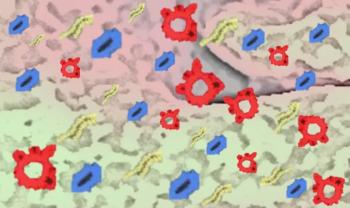
Microbiome profiling: Study uncovers ‘comprehensive’ list of organisms that make a healthy gut
There are 157 organisms that form the 'baseline biome' of a healthy human gut, according to new research.

Exploring the dietary drivers of asthma
Linoleic acid might protect against asthma, and such knowledge may help researchers identify new interventions for asthma.

Studies link air pollution to mental health issues in children
Three new studies highlight the relationship between air pollution and mental health in children.

How a pioneering study of child health has influenced a generation of parents
Prof Jean Golding has been tracking the ‘Children of the 90s’ for nearly 30 years, most recently finding a 50% increase in rates of prenatal depression.

Omega-3s Recommended as Adjunctive Therapy for Major Depression
Omega-3 polyunsaturated fatty acids (PUFAs) recommended for treatment of major depressive disorder (MDD), says International Society for Nutritional Psychiatry Research (ISNPR).

'Report card' on diet trends: Low-quality carbs account for 42 percent of a day's calories
Adults are still consuming too many low-quality carbohydrates and more saturated fat than recommended, according to a new report.

Today's obesity epidemic may have been caused by childhood sugar intake decades ago
Current obesity rates in adults in the United States could be the result of dietary changes that took place decades ago, according to a new study.

23 September 2019 - MedicalXpress - Industry has unduly influenced TV advertising regs on restricting unhealthy kids' foods
Industry has unduly influenced the regulations for TV advertising of unhealthy foods to children, likely weakening legislation in this area, argue doctors in an analysis, published in the online journal BMJ Open.

Prenatal Oxidative Balance Affects Allergic Disease and Asthma into Adolescence
Adolescents exposed before birth to pro-oxidant toxins such as air pollution and smoking), along with essential nutrients, but not antioxidants such as vitamin C, are prone to teenage asthma and allergic disease, says study.

Junk food diet may predict future depression symptoms in teens
New study finds that sodium and potassium levels - reflections of a person's typical diet - may be predictors of future depression in teens.

Poor diet may affect long-term spatial memory, study finds
There is a link between junk food consumption and loss of spatial memory, according to this animal-based study.

Early maternal anemia tied to intellectual disability, ADHD and autism
The timing of anaemia - a common condition in late pregnancy - can make a big difference for the developing fetus, according to new study. Researchers found a link between early anaemia and increased risk of autism, ADHD and intellectual disability in children.

Healthy drinks, healthy kids: First-ever consensus on recommendations for young children
Experts recommend breast milk, infant formula, water, and plain milk in new, comprehensive beverage recommendations for young children. Sugary drinks, including milkshakes, and artificial sweetener-enhanced drinks - not to mention caffeine and energy drinks - are definitely NOT recommended.

18 September 2019 - MedicalXpress - How sleepless nights compromise the health of your gut
Researchers discover that a group of immune cells, known to be strong contributors to gut health, is directly controlled by the brain's circadian clock.

Despite growing burden of diet-related disease, medical education does not equip students to provide high quality nutritional care to patients
Worldwide, nutrition is insufficiently incorporated into medical education, meaning that medical students lack the confidence, skills and knowledge to provide nutritional care to patients, according to a systematic review.
- <
- 1
- 2
- 3
- 4
- 5
- 6
- 7
- 8
- 9
- 10
- 11
- 12
- 13
- 14
- 15
- 16
- 17
- 18
- 19
- 20
- 21
- 22
- 23
- 24
- 25
- 26
- 27
- 28
- 29
- 30
- 31
- 32
- 33
- 34
- 35
- 36
- 37
- 38
- 39
- 40
- 41
- 42
- 43
- 44
- 45
- 46
- 47
- 48
- 49
- 50
- 51
- 52
- 53
- 54
- 55
- 56
- 57
- 58
- 59
- 60
- 61
- 62
- 63
- 64
- 65
- 66
- 67
- 68
- 69
- 70
- 71
- 72
- 73
- 74
- 75
- 76
- 77
- 78
- 79
- 80
- 81
- 82
- 83
- 84
- 85
- 86
- 87
- 88
- 89
- 90
- 91
- 92
- 93
- 94
- 95
- 96
- 97
- 98
- 99
- 100
- 101
- 102
- 103
- 104
- 105
- 106
- 107
- 108
- 109
- 110
- 111
- 112
- 113
- 114
- 115
- 116
- 117
- 118
- 119
- 120
- 121
- 122
- 123
- 124
- 125
- 126
- 127
- 128
- 129
- 130
- 131
- 132
- 133
- 134
- 135
- 136
- 137
- 138
- 139
- 140
- 141
- 142
- 143
- 144
- 145
- 146
- 147
- 148
- 149
- 150
- 151
- 152
- 153
- 154
- 155
- 156
- 157
- 158
- 159
- 160
- 161
- >

Food and Behaviour Research is a registered charity (No SC034604) and a company limited by guarantee (Co No SC 253448)
Newsletter Signup
Useful Links
Contact Us
FAB Research
23 Carlton Road
Oxford
OX2 7SA
Important Notice
Medical opinion and guidance should always be sought for any symptoms that might possibly reflect a known or suspected disease, disorder or medical condition. Information provided on this website (or by FAB Research via any other means) does not in any way constitute advice on the treatment of any medical condition formally diagnosed or otherwise.
Site by Redstone Websites. Easy to Use Web Content Management. 2026 © All Rights Reserved.