News
Latest News List

Maternal obesity linked to autism-like behaviours in offspring
Aa mechanistic link between maternal obesity prior to pregnancy and autism-related behavioral outcomes in offspring has been uncovered in a study conducted at the University of HawaiÊ»i at MÄnoa.

FDA Petition Could Redefine the Future of America’s Food System
It has been four decades since the FDA reviewed the scientific basis of GRAS status of processed refined carbohydrates. It has been during those four decades that America’s obesity crisis has emerged. This petition demonstrates that, based on the lack of scientific evidence, continued GRAS affirmation is neither legal nor credible.

Study shows culinary medicine improves trainee nutrition education
Yale School of Medicine (YSM) researchers have led the first-ever randomized controlled trial of a culinary medicine curriculum for medical trainees, which found that hands-on cooking is an effective approach to increasing nutrition knowledge for resident physicians.

Less processed diet may be more beneficial for weight loss, clinical trial indicates
When given nutritionally matched diets, participants lost twice as much weight eating minimally processed foods compared to ultra-processed foods, suggesting that cutting down on processing could help to sustain a healthy weight long term, finds a new clinical trial led by researchers at UCL and UCLH.

Metabolic Health in Schizophrenia: Toward Nutritional and Metabolism-Based Strategies in Psychiatry
It is widely known that obesity, particularly abdominal obesity, significantly contributes to the progression of metabolic syndrome (MetS), with a prevalence as high as 75% in individuals with psychotic illness. Obesity-related metabolic disturbances significantly increase mortality in schizophrenia, with schizophrenia often preceding obesity, especially in younger patients.

What animal studies reveal about binge-eating behavior
Binge eating, especially on high-fat, high-sugar foods, can rewire the brain and alter behavior, leading to compulsive food-seeking and a greater likelihood of overeating instead of under-eating when stressed. It can also contribute to long-term physical health problems, according to a new review of animal studies.

Fast food, screens, and no greens: A recipe for teen health trouble
When a cheeseburger costs less than a punnet of strawberries, it's clear the odds are stacked against healthy choices—especially for teenagers.

A single artificially sweetened soft drink daily may increase diabetes risk by more than a third
Drinking just one can of artificially-sweetened soft drink a day may increase the risk of developing type 2 diabetes by 38%, an Australian study has found

Ultra-processed foods trigger addictive behaviours meeting clinical criteria, researchers say
New research makes the strongest case yet that ultra-processed foods—including chips, cookies, soda and other heavily engineered products—aren't just tempting; they can actually be addictive.

Now is the time to recognize and respond to addiction to ultra-processed foods
Reflecting the growing consensus that addiction science could inform food policy, the US Food and Drug Administration (FDA) and National Institutes of Health (NIH) have announced a new initiative modeled on the successful Tobacco Regulatory Science Program, which will unite both agencies’ expertise to “transform nutrition and food-related researchâ€.

Could the copper in your diet help prevent memory loss, as new study suggests?
More and more research suggests that the copper in your diet could play a bigger role in brain health than we once believed. A recent study found that older Americans who ate more copper-rich foods did better on memory and concentration tests.

How B vitamins can affect brain and heart health
Eight essential nutrients make up the suite of B vitamins also known as the B complex. Research at Tufts and elsewhere has revealed that these B vitamins influence a vast spectrum of human health and disease, including cognitive function, cardiovascular health, gastric bypass recovery, neural tube defects, and even cancer.
Soft drinks can affect communication of gut bacteria and immune system
Consumption of soft drinks, supplemented with white sugar, alters the DNA of gut bacteria and affects the host immune system. The good news? These effects are reversible.

A popular sweetener could be damaging your brain’s defences, says recent study
Found in everything from protein bars to energy drinks, erythritol has long been considered a safe alternative to sugar. But new research suggests this widely used sweetener may be quietly undermining one of the body’s most crucial protective barriers – with potentially serious consequences for heart health and stroke risk.

About a third of pregnant women in the US lack sufficient vitamin D to support healthy pregnancies − new research
Children whose mothers had higher vitamin D levels during pregnancy scored better on tests of memory, attention and problem-solving skills at ages 7 to 12 compared with those whose mothers had lower levels. That is a key finding of a new peer-reviewed study published in The American Journal of Clinical Nutrition.


Dietary Trial Shows Benefits of a Low Emulsifier Diet for Crohn’s Disease
WASHINGTON, DC — A low-emulsifier-containing diet led to a threefold increased likelihood of improvement in symptoms of Crohn’s disease compared with an emulsifier-containing diet in a randomized double-blind dietary trial involving 154 patients with mildly active disease living across the United Kingdom.

New research finds changing your diet could ease persistent headaches after brain injury
A new clinical trial demonstrates that dietary changes significantly reduce persistent post-traumatic headaches (pPTH), a common and debilitating consequence of traumatic brain injury (TBI). Researchers from the UNC School of Medicine, the Uniformed Services University, and the National Institutes of Health (NIH) found that increasing omega-3 fatty acids (commonly found in fatty fish like salmon and tuna) while reducing omega-6 fatty acids (abundant in seed oils such as corn, sunflower, and cottonseed oils) led to fewer and less severe headaches.
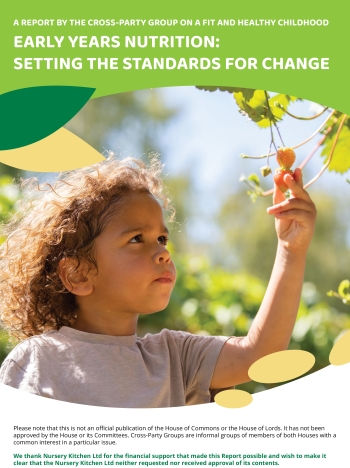
PRESS RELEASE: Early Years Nutrition in Crisis: Cross Party Group Report Warns UK Children Face ‘Shorter, Unhealthier Lives’
New report warns that poor nutrition in babies and toddlers is fuelling a future public health crisis and calls on the Government to act now.
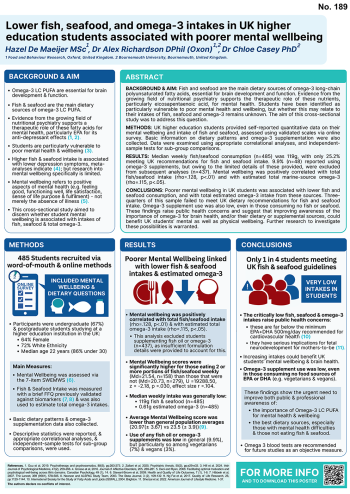
PRESS RELEASE: Low Fish Intake, Low Mental Wellbeing: Study Reveals Students’ Omega-3 Shortfall
Long chain omega-3 fats, found predominately in fish and seafood, are crucial for healthy brain function, yet new research shows most UK university students fall short of national intake guidelines, and rarely use supplements to fill such gaps. Founder Director Dr Alex Richardson represented FAB Research at the 16th Congress of ISSFAL 2025 in Quebec City - the bi-annual international conference from the foremost International Scientific Society dealing exclusively with the health impact of dietary lipids. There she shared new and unpublished data showing evidence that poorer mental wellbeing i
- <
- 1
- 2
- 3
- 4
- 5
- 6
- 7
- 8
- 9
- 10
- 11
- 12
- 13
- 14
- 15
- 16
- 17
- 18
- 19
- 20
- 21
- 22
- 23
- 24
- 25
- 26
- 27
- 28
- 29
- 30
- 31
- 32
- 33
- 34
- 35
- 36
- 37
- 38
- 39
- 40
- 41
- 42
- 43
- 44
- 45
- 46
- 47
- 48
- 49
- 50
- 51
- 52
- 53
- 54
- 55
- 56
- 57
- 58
- 59
- 60
- 61
- 62
- 63
- 64
- 65
- 66
- 67
- 68
- 69
- 70
- 71
- 72
- 73
- 74
- 75
- 76
- 77
- 78
- 79
- 80
- 81
- 82
- 83
- 84
- 85
- 86
- 87
- 88
- 89
- 90
- 91
- 92
- 93
- 94
- 95
- 96
- 97
- 98
- 99
- 100
- 101
- 102
- 103
- 104
- 105
- 106
- 107
- 108
- 109
- 110
- 111
- 112
- 113
- 114
- 115
- 116
- 117
- 118
- 119
- 120
- 121
- 122
- 123
- 124
- 125
- 126
- 127
- 128
- 129
- 130
- 131
- 132
- 133
- 134
- 135
- 136
- 137
- 138
- 139
- 140
- 141
- 142
- 143
- 144
- 145
- 146
- 147
- 148
- 149
- 150
- 151
- 152
- 153
- 154
- 155
- 156
- 157
- 158
- 159
- 160
- 161
- >

Food and Behaviour Research is a registered charity (No SC034604) and a company limited by guarantee (Co No SC 253448)
Newsletter Signup
Useful Links
Contact Us
FAB Research
23 Carlton Road
Oxford
OX2 7SA
Important Notice
Medical opinion and guidance should always be sought for any symptoms that might possibly reflect a known or suspected disease, disorder or medical condition. Information provided on this website (or by FAB Research via any other means) does not in any way constitute advice on the treatment of any medical condition formally diagnosed or otherwise.
Site by Redstone Websites. Easy to Use Web Content Management. 2026 © All Rights Reserved.