News
Latest News List

24 July 2019 - MedicalXpress - With bitter foods, what you eat determines what you like to eat
Changing your diet changes the proteins in your saliva, which in turn changes how you taste certain foods.

24 July 2019 - Science Daily - Extra weight in 60s may be linked to brain thinning years later
Having a bigger waistline and a high body mass index (BMI) in your 60s may be linked with greater signs of brain aging years later, according to a new study. The study suggests that these factors may accelerate brain aging by at least a decade.

New research casts doubts on safety of world's most popular artificial sweetener
The world's most widely used artificial sweetener has not been adequately proven to be safe for human consumption, argues a newly published paper from University of Sussex researchers.

Out of my wheelchair and back on my bike: why I’m putting MS diet to the test
"By identifying the key nutrients important to brain health, I redesigned my paleo diet. I wanted to maximise my intake of the nutrients I’d been taking in supplement form – getting them instead directly from the food I ate."

Public in the dark about gut health, survey reveals
What does the general public know about the importance of their microbiome, where do they go for information and what do they do to improve their gut health? A healthcare company-sponsored survey set out to investigate.

18 July 2019 - Nutraingredients - Study boosts microbiome fitness and diet quality link
Researchers continue to link diet with gut health as a US team find fruit, vegetable and whole grain consumption results in higher beneficial bacteria whilst diets that include fat, alcohol, and added sugar result in higher harmful bacteria numbers.

16 July 2019 - MedicalXpress - Antioxidant precursor molecule could improve Parkinson's
N-acetylcysteine (NAC), which replenishes one of the body's antioxidants, shows potential benefit as part of a standard course of treatment for Parkinson's disease
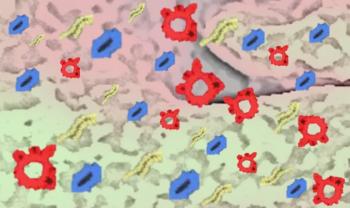
Gut microbes protect against neurologic damage from viral infections - in mice
Gut microbes produce compounds that prime immune cells to destroy harmful viruses in the brain and nervous system, according to a mouse study published today.

Could eating fibre during pregnancy help tackle autoimmune disease burden?
A lack of fibre during pregnancy could be contributing to the burden of the serious condition preeclampsia, according to researchers who also argue the lack of fibre in Western diets may explain the rapid increase of allergies and autoimmune conditions.

11 July 2019 - MedicalXpress - Anxious? Cut down on caffeine
Caffeine can boost energy, improve alertness and produce a general feeling of well-being - when used in moderation. Go past the sweet spot though, and that same elixir can cause insomnia, jitteriness and feelings of nervousness.

9 July 2019 - MedicalXpress - Research shows that drinking Matcha tea can reduce anxiety
Anxious behaviour in mice was reduced after consuming Matcha powder or Matcha extract, in this study. The calming effects appear to be due to mechanisms that activate dopamine D1 receptors and serotonin 5-HT1A receptors, both of which are closely related to anxious behavior.

9 July 2019 - Science Direct - Food and alcohol reduce activity in 'hunger neurons' via different brain pathways
How does the brain process rewards? Researchers are investigating how the brain responds differently to two commonly ingested rewards - food and alcohol - to understand how they alter neural activity and behaviour.

Unusual eating behaviors may be a new diagnostic indicator for autism
Atypical eating behaviors may be a sign a child should be screened for autism, according to a new study.

Eating disorders: early warning signs identified
Research finds several health warning signs that point to a person developing an eating disorder - signs that may help GPs diagnose and treat people with one of these conditions much earlier.

Almost a third of Scots are now obese – and at risk of more cancers than smokers
Once smoking was the killer health problem in Scotland. Now comes the news from Cancer Research that around 29% of adults in Scotland are obese whereas 18% of the population continues to smoke.

Quitting alcohol may improve mental well-being, health-related quality of life
Quitting alcohol may improve health-related quality of life for women, especially their mental well-being, according to a new study.

Micronutrient deficiencies in newly diagnosed coeliac disease: Researchers discover change in symptom profiles
Micronutrient deficiencies, including vitamins B12 and D, as well as folate, iron, zinc and copper, are common in adults with celiac disease and must be addressed at that time of diagnosis, according to a new study.

2 July 2019 - MedicalXpress - Doctors need nutrition education, says commentary
In a 2018 survey, 61 percent of physicians reported having little or no training in nutrition.

‘Elegant’ study deepens our understanding of how we respond to EPA & DHA omega-3s
Humans consuming omega-3 supplements can convert EPA (eicosapentaenoic acid) to DHA (docosahexaenoic acid), but this is only a one-way street, and no retroconversion occurs, says a new study that extends our knowledge of how we respond to supplementation.

Questioning Answers - Roger Moore's eyebrows, ADHD and coeliac disease part 2
Behaviourally defined diagnostic labels such as attention-deficit hyperactivity disorder (ADHD) seem to rarely exist in some sort of clinical vacuum. Part of that vacuum also potentially encompasses a range of somatic symptoms and/or diagnostic labels.
- <
- 1
- 2
- 3
- 4
- 5
- 6
- 7
- 8
- 9
- 10
- 11
- 12
- 13
- 14
- 15
- 16
- 17
- 18
- 19
- 20
- 21
- 22
- 23
- 24
- 25
- 26
- 27
- 28
- 29
- 30
- 31
- 32
- 33
- 34
- 35
- 36
- 37
- 38
- 39
- 40
- 41
- 42
- 43
- 44
- 45
- 46
- 47
- 48
- 49
- 50
- 51
- 52
- 53
- 54
- 55
- 56
- 57
- 58
- 59
- 60
- 61
- 62
- 63
- 64
- 65
- 66
- 67
- 68
- 69
- 70
- 71
- 72
- 73
- 74
- 75
- 76
- 77
- 78
- 79
- 80
- 81
- 82
- 83
- 84
- 85
- 86
- 87
- 88
- 89
- 90
- 91
- 92
- 93
- 94
- 95
- 96
- 97
- 98
- 99
- 100
- 101
- 102
- 103
- 104
- 105
- 106
- 107
- 108
- 109
- 110
- 111
- 112
- 113
- 114
- 115
- 116
- 117
- 118
- 119
- 120
- 121
- 122
- 123
- 124
- 125
- 126
- 127
- 128
- 129
- 130
- 131
- 132
- 133
- 134
- 135
- 136
- 137
- 138
- 139
- 140
- 141
- 142
- 143
- 144
- 145
- 146
- 147
- 148
- 149
- 150
- 151
- 152
- 153
- 154
- 155
- 156
- 157
- 158
- 159
- 160
- 161
- >

Food and Behaviour Research is a registered charity (No SC034604) and a company limited by guarantee (Co No SC 253448)
Newsletter Signup
Useful Links
Contact Us
FAB Research
23 Carlton Road
Oxford
OX2 7SA
Important Notice
Medical opinion and guidance should always be sought for any symptoms that might possibly reflect a known or suspected disease, disorder or medical condition. Information provided on this website (or by FAB Research via any other means) does not in any way constitute advice on the treatment of any medical condition formally diagnosed or otherwise.
Site by Redstone Websites. Easy to Use Web Content Management. 2026 © All Rights Reserved.