News
Latest News List

Could the gut-brain axis be key to fighting age-related cognitive decline?
Modifying our microbiome with prebiotic fibres could help lower levels of brain inflammation and boost brain function during ageing, according to new mouse-based research.

BBC - Ultra-processed foods 'make you eat more'
Ultra-processed foods lead people to eat more and put on weight, the first trial to assess their impact suggests.

Ultra-processed food causes weight gain – firm evidence at last
“Ultra-processed†foods (such as crisps, industrially made pizzas, sugar-sweetened drinks and other so-called 'junk foods') are typically high in sugar and fat - and calories. But an important new clinical trial - from the US National Institute of Health (NIH) - shows this is NOT the only reason they cause overeating and weight gain. Instead - the problem may actually lie in some of the industrial processing methods used to make them.
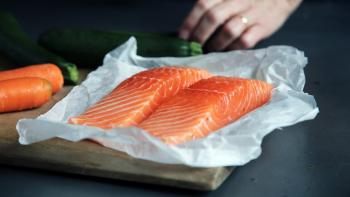
Omega 3 Oils and Vitamin B Supplements: A Winning Combination
Could the high concentration of DHA and EPA in fish oils make us smarter or help us function better? Many clinical trials have sought to answer this question, and fish oils have been studied in the many different situations with variable results.

Over-fed bacteria make people sick
In a new hypothesis, a research team suggests that inflammatory diseases are caused by an over-supply of food, and the associated disturbance of the intestine's natural bacterial colonization.
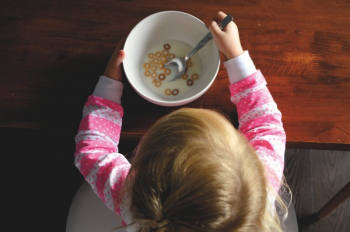
What happens when your picky toddler becomes a teen?
Children who are picky eaters and who find it difficult to change and adapt their eating habits, show pronounced differences in food intake at the age of 13, including a higher intake of sugar, according to new research.

14 May 2019 - MedicalXpress - Prior eating disorders linked to long-term depression risk for mothers
A history of eating disorders and body image concerns before or during pregnancy are associated with future depressive symptoms among mothers, finds a new study.
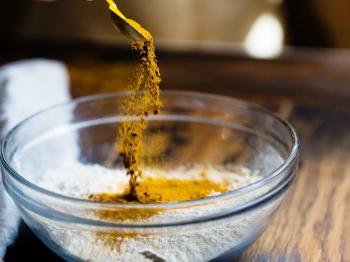
14 May 2019 - The Conversation - These 5 foods are claimed to improve our health. But the amount we’d need to consume to benefit is… a lot
Four foods (and one drink) that demonstrate how the common healing claims around the foods we eat don’t always stack up.

When does clean eating become an unhealthy obsession? New findings on who is at risk
Although eating healthy is an important part of a healthy lifestyle, for some people this preoccupation with healthy eating can become physically and socially impairing.

Can this food additive turn our gut bacteria against us?
This study presents pivotal evidence that consumption of food containing food additive E171 (titanium dioxide) affects gut microbiota as well as inflammation in the gut, which could lead to diseases such as inflammatory bowel diseases and colorectal cancer.
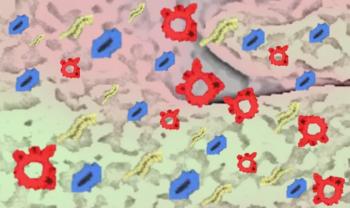
13 May 2019 - MedicalXpress - Maternal microbes mediate diet-derived damage
New mouse-based research has found that microbes in the maternal intestine may contribute to impairment of the gut barrier during pregnancy.
Common food additive E171 found to affect gut microbiota
New research provides new evidence that nanoparticles, which are present in many food items, may have a substantial and harmful influence on human health.
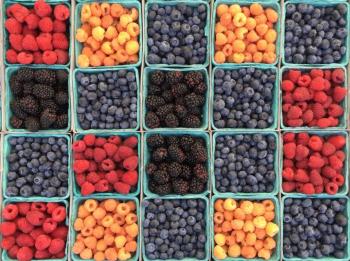
Berries and brain health: What do we know so far?
Early studies on animals have linked consumption of polyphenol-rich berries to improvements in some cognitive markers. This has warranted studies on humans, and results are shedding more light on how berries may benefit our brain health.

Questioning Answers - Neurodevelopmental effects of prenatal vitamin D in humans
Paul Whiteley comments on the research paper "Neurodevelopmental effects of prenatal vitamin D in humans: systematic review and meta-analysis".

10 May 2019 - MedicalXpress - A cup of Joe and you're good to go (Under six a day and you're A-OK)
"In order to maintain a healthy heart and a healthy blood pressure, people must limit their coffees to fewer than six cups a day - based on our data six was the tipping point where caffeine started to negatively affect cardiovascular risk."

Dietary fats entering the brain may explain link between obesity and depression
Obesity and depression have long been linked, with previous clinical studies finding an association between these two conditions. However, until now, the mechanisms of how obesity affects depression and vice versa have not been fully understood.

10 May 2019 - Nutraingredients - Personalised possibilities? Gut bacteria prevalence linked to genetic ability to digest starch
A recently discovered relationship between genetic variation and the bacterial balance in our gut microbiome could help nutritionists personalise their recommendations, say those behind the study.

8 May 2019 - MedicalXpress - Broccoli sprout compound may restore brain chemistry imbalance linked to schizophrenia
Researchers shed further light on a set of chemical imbalances in the brains of people with schizophrenia related to the chemical glutamate, with the help of a compound derived from broccoli.
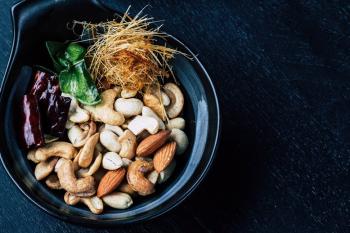
7 May 2019 - Science Daily - Maternal nut consumption during pregnancy linked to improvements in neurodevelopment in children
For the first time links have been observed between a nut-rich maternal diet during the first trimester of pregnancy and better outcomes after birth in cognitive function, attention capacity and long-term working memory.

7 May 2019 - MedicalXpress - A moody gut often accompanies depression - new study helps explain why
For people with depression, gastrointestinal distress is a common additional burden, and a new study suggests that the two conditions sometimes arise from the same glitch in neuron chemistry - low serotonin.
- <
- 1
- 2
- 3
- 4
- 5
- 6
- 7
- 8
- 9
- 10
- 11
- 12
- 13
- 14
- 15
- 16
- 17
- 18
- 19
- 20
- 21
- 22
- 23
- 24
- 25
- 26
- 27
- 28
- 29
- 30
- 31
- 32
- 33
- 34
- 35
- 36
- 37
- 38
- 39
- 40
- 41
- 42
- 43
- 44
- 45
- 46
- 47
- 48
- 49
- 50
- 51
- 52
- 53
- 54
- 55
- 56
- 57
- 58
- 59
- 60
- 61
- 62
- 63
- 64
- 65
- 66
- 67
- 68
- 69
- 70
- 71
- 72
- 73
- 74
- 75
- 76
- 77
- 78
- 79
- 80
- 81
- 82
- 83
- 84
- 85
- 86
- 87
- 88
- 89
- 90
- 91
- 92
- 93
- 94
- 95
- 96
- 97
- 98
- 99
- 100
- 101
- 102
- 103
- 104
- 105
- 106
- 107
- 108
- 109
- 110
- 111
- 112
- 113
- 114
- 115
- 116
- 117
- 118
- 119
- 120
- 121
- 122
- 123
- 124
- 125
- 126
- 127
- 128
- 129
- 130
- 131
- 132
- 133
- 134
- 135
- 136
- 137
- 138
- 139
- 140
- 141
- 142
- 143
- 144
- 145
- 146
- 147
- 148
- 149
- 150
- 151
- 152
- 153
- 154
- 155
- 156
- 157
- 158
- 159
- 160
- 161
- >

Food and Behaviour Research is a registered charity (No SC034604) and a company limited by guarantee (Co No SC 253448)
Newsletter Signup
Useful Links
Contact Us
FAB Research
23 Carlton Road
Oxford
OX2 7SA
Important Notice
Medical opinion and guidance should always be sought for any symptoms that might possibly reflect a known or suspected disease, disorder or medical condition. Information provided on this website (or by FAB Research via any other means) does not in any way constitute advice on the treatment of any medical condition formally diagnosed or otherwise.
Site by Redstone Websites. Easy to Use Web Content Management. 2026 © All Rights Reserved.