News
Latest News List

Global Review Finds Mediterranean Diet May Play Key Role In Managing ADHD
It’s the superhero of the nutrition world, and now a scientific review has shown the potential power of the Mediterranean diet to help manage the symptoms of Attention Deficit/Hyperactivity Disorder.

The ‘Mind’ diet is good for cognitive health – here’s what foods you should put on your plate
There’s long been evidence that what we eat can affect our risk of dementia, Alzheimer’s disease and cognitive decline as we age. But can any one diet actually keep the brain strong and lower dementia risk? Evidence suggests the so-called “Mind diet†might.

Study shows 60% of pregnant women have signs of iodine deficiency
"Our findings are particularly concerning as most women in the study were considered healthy and low risk and two thirds reported taking pregnancy supplements containing iodine. This suggests that additional public health measures may need to be addressed."

How fats fuel brain signalling - new mechanism discovered
While glucose, or sugar, is a well-known fuel for the brain, Weill Cornell Medicine researchers have demonstrated that electrical activity in synapses—the junctions between neurons where communication occurs—can lead to the use of lipid or fat droplets as an energy source.

Gut microbiota play pivotal role in disordered eating tied to repeated dieting, researchers find
For the first time, the gut microbiota has been shown to play a pivotal role in the risk of disordered eating behavior stemming from yo-yo dieting. Researchers conducted a preclinical study showing that repeated dieting leads to binge-eating behavior, which can be passed on directly by the microbiota.

Can sweets be addictive? First validated tool aims to measure the behavior
Why is it so hard to stop at just one cookie? For many people, sweet foods like chocolate, pastries, and candy aren't just a treat—they're a source of craving, guilt and emotional struggle. A newly published pilot study introduces the FitMIND Foundation Sweets Addiction Scale (FFSAS)—the first validated tool developed specifically to measure addiction-like behaviors related to sweets.

Can a Japanese diet help with depression? Large study says yes
A major study finds that workers who stick to traditional or modernized Japanese diets report fewer symptoms of depression, highlighting the mental health power of culturally tailored nutrition.

Discovery of lipid-based pathway for memory formation sheds light on potential PTSD treatments
A new lipid-based pathway essential for memory formation has been discovered by University of Queensland researchers—a breakthrough that could lead to treatments for post-traumatic stress disorder (PTSD).

Sleep loss rewires the brain for cravings and weight gain – a neurologist explains the science behind the cycle
You stayed up too late scrolling through your phone, answering emails or watching just one more episode. The next morning, you feel groggy and irritable. That sugary pastry or greasy breakfast sandwich suddenly looks more appealing than your usual yogurt and berries. By the afternoon, chips or candy from the break room call your name. This isn’t just about willpower. Your brain, short on rest, is nudging you toward quick, high-calorie fixes.

The Food Programme - Professor Michael Crawford: A Life through Food
In this episode of 'A Life Through Food', Sheila Dillon meets one of the most provocative scientific minds of the last half-century: Professor Michael Crawford. Now in his 90s, Crawford’s pioneering research into the brain and nutrition has reshaped how we understand the essential role of food—especially Omega-3 fatty acids—in human development and health.

Major sugar substitute found to impair brain blood vessel cell function, posing potential stroke risk
Findings suggest that erythritol increases oxidative stress, disrupts nitric oxide signaling, raises vasoconstrictive peptide production, and diminishes clot-dissolving capacity in human brain microvascular endothelial cells.

Eating more fruits and veggies could help you sleep better
From counting sheep to white noise and weighted blankets, people have tried innumerable ways to get a good night's sleep. Sleep disruptions can have far-reaching negative consequences, impacting cardiovascular and metabolic health, memory, learning, productivity, mood regulation, interpersonal relationships and more.

Study finds high hospital costs in Europe due to physical comorbidities of mental disorders
These costs are not caused by psychiatric care itself, but by physical illnesses that occur at above-average rates in people with mental illness and often require inpatient or emergency treatment. Particularly common are injuries, for example, as a result of falls, substance use or suicide attempts, as well as diseases of the digestive tract such as liver disease or chronic inflammation.
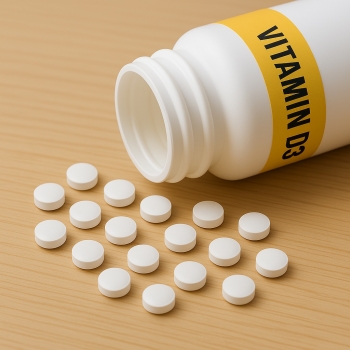
Vitamin D supplements may slow cellular aging
A new study suggests that Vitamin D supplements may help preserve telomeresexternal link—the DNA caps at the ends of chromosomes that maintain genetic stability and protect against cell death. If the findings can be replicated, researchers say, they could point to a “promising strategy†for countering biological aging.

Before the bump: Can pre-pregnancy planning affect child development?
Enhancing physical and psychological health months or even weeks before conception may have powerful positive effects on offspring.

Sugary drinks, processed foods, alcohol and tobacco are big killers: Why the G20 should add its weight to health taxes
By 2030, non-communicable diseases will account for 75% of all deaths annually. Eight percent of these will be in the global south. Most of these diseases are what we call silent killers: type 2 diabetes, high blood pressure and heart disease, as well as certain types of cancer at increasingly younger ages.

How vitamin B12 deficiency may disrupt pregnant women’s bodies
Despite living in an age of dietary abundance, vitamin B12 deficiency is on the rise. One major culprit? Our growing reliance on ultra-processed foods (UPFs) – those convenient, calorie-dense and nutrient-poor products that dominate supermarket shelves. While they might fill us up, they’re fuelling a global epidemic of “hidden hungerâ€.

It’s time to stop the great food heist powered by big business. That means taxation, regulation and healthy school meals
The global food system has been captured by a few rapacious companies that profit from public ill-health. We need a radical overhaul

Markers in blood and urine may reveal how much ultra-processed food we are eating
Molecules in blood and urine may reveal how much energy a person consumes from ultra-processed foods, a key step to understanding the impact of the products that make up nearly 60% of the American diet, a new study finds.
Vitamin B12 deficiency in pregnancy could pose metabolic health risk, research suggests
A major contributing factor to vitamin B12 deficiency is an increasing dependence on ultra-processed foods, researchers at Nottingham Trent University and the University of Warwick argue
- <
- 1
- 2
- 3
- 4
- 5
- 6
- 7
- 8
- 9
- 10
- 11
- 12
- 13
- 14
- 15
- 16
- 17
- 18
- 19
- 20
- 21
- 22
- 23
- 24
- 25
- 26
- 27
- 28
- 29
- 30
- 31
- 32
- 33
- 34
- 35
- 36
- 37
- 38
- 39
- 40
- 41
- 42
- 43
- 44
- 45
- 46
- 47
- 48
- 49
- 50
- 51
- 52
- 53
- 54
- 55
- 56
- 57
- 58
- 59
- 60
- 61
- 62
- 63
- 64
- 65
- 66
- 67
- 68
- 69
- 70
- 71
- 72
- 73
- 74
- 75
- 76
- 77
- 78
- 79
- 80
- 81
- 82
- 83
- 84
- 85
- 86
- 87
- 88
- 89
- 90
- 91
- 92
- 93
- 94
- 95
- 96
- 97
- 98
- 99
- 100
- 101
- 102
- 103
- 104
- 105
- 106
- 107
- 108
- 109
- 110
- 111
- 112
- 113
- 114
- 115
- 116
- 117
- 118
- 119
- 120
- 121
- 122
- 123
- 124
- 125
- 126
- 127
- 128
- 129
- 130
- 131
- 132
- 133
- 134
- 135
- 136
- 137
- 138
- 139
- 140
- 141
- 142
- 143
- 144
- 145
- 146
- 147
- 148
- 149
- 150
- 151
- 152
- 153
- 154
- 155
- 156
- 157
- 158
- 159
- 160
- 161
- >

Food and Behaviour Research is a registered charity (No SC034604) and a company limited by guarantee (Co No SC 253448)
Newsletter Signup
Useful Links
Contact Us
FAB Research
23 Carlton Road
Oxford
OX2 7SA
Important Notice
Medical opinion and guidance should always be sought for any symptoms that might possibly reflect a known or suspected disease, disorder or medical condition. Information provided on this website (or by FAB Research via any other means) does not in any way constitute advice on the treatment of any medical condition formally diagnosed or otherwise.
Site by Redstone Websites. Easy to Use Web Content Management. 2026 © All Rights Reserved.