News
Latest News List

Sugar targets gut microbe linked to lean and healthy people
Sugar can silence a key protein required for colonization by a gut bacterium associated with lean and healthy individuals, according to a new Yale study.

Food allergies linked to increased disease activity in multiple sclerosis
Food allergies are associated with heightened levels of disease activity in patients with multiple sclerosis (MS), new research suggests.

Why vegan diets for babies come with significant risks
Even in developed countries, a large proportion of children don’t get enough vitamins and minerals, and there is some evidence that vegan diets might be adding to this. So how hard is it for vegetarian or vegan parents to get this right while passing on their food preferences?

Clinical trial shows magnesium optimizes vitamin D status
A randomized trial by Vanderbilt-Ingram Cancer Center researchers indicates that magnesium optimizes vitamin D status, raising it in people with deficient levels and lowering it in people with high levels.

Vegan diets are adding to malnutrition in wealthy countries
Eating a plant-based diet may lower the risk of chronic disease and is good for the environment, but poorly planned vegan diets that do not replace the critical nutrients found in meat, can lead to serious micronutrient deficiencies.

13 December 2018 - Nutraingredients - Omega 3’s effect on brain blood flow could battle memory decline in ageing
Omega-3 polyunsaturated fatty acid (PUFA) supplementation has the potential to enhance neural blood flow, possibly preventing memory decline caused by restricted blood flow or brain cell inflammation.

12 December 2018 - Questioning Answers - Elevated zonulin levels in ADHD = more hyperactivity and "impairment of social functioning"
"Children with ADHD had higher serum zonulin levels and were more impaired in social functioning compared to controls." So said the findings reported by Gonca Özyurt and colleagues exploring zonulin and the assumption that "the level of zonulin increases when intestinal permeability is impaired."

11 December 2018 - MedicalXpress - These bacteria may be the key to treating clinical depression
Scientists estimate that we share our bodies with 38 trillion organisms that play an integral part in keeping us healthy and making us who we are. They crawl across our skin, cling to our intestines, and generally call our bodies home.

10 December 2018 - Science Daily - Two compounds in coffee may team up to fight Parkinson's
Scientists have found a compound in coffee that may team up with caffeine to fight Parkinson's disease and Lewy body dementia - two progressive and currently incurable diseases associated with brain degeneration.

12 December 2018 - Questioning Answers - Gut symptoms are important for 'psychiatric outcomes' in autism
New research explores the links between gut-related symptoms and autism.

11 December 2018 - MedicalXpress - Review confirms food cravings can be reduced
Food craving, the intense desire to eat certain foods, can sabotage efforts to maintain healthy eating habits and body weight, no matter the time of year. A change in diet is one of the approaches that can help combat the problem.

11 December 2018 - MedicalXpress - Could you be short on vitamin D?
You'd think vitamin deficiencies would be rare in the United States, but many people are running low on vitamin D, and it's a serious health threat.
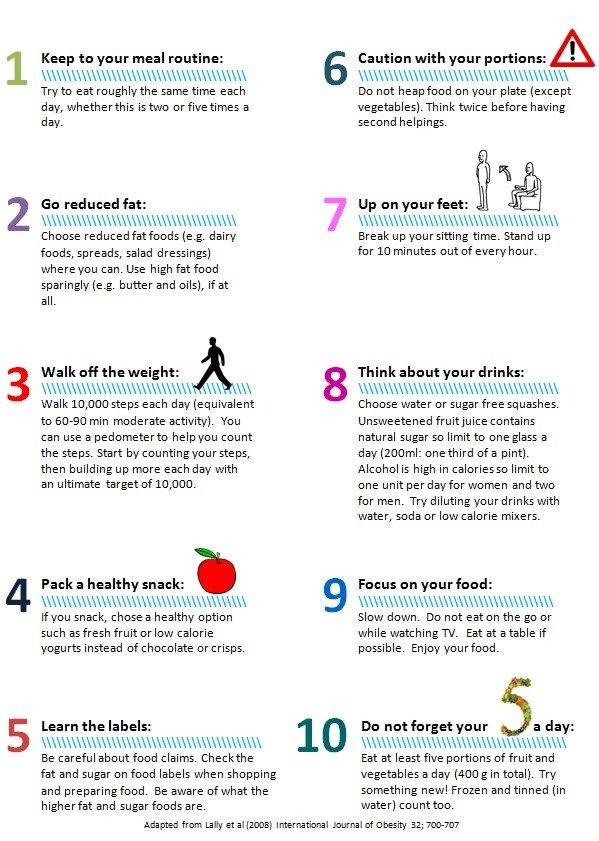
10 December 2018 - MedicalXpress - Simple tips to curb overindulgence can help stop pounds piling on at Christmas
A study by the University of Birmingham and Loughborough University has shown that regular weighing at home and simple tips to curb excess eating and drinking can prevent people from piling on the pounds at Christmas.

Link between neonatal vitamin D deficiency and schizophrenia confirmed
Newborns with vitamin D deficiency have an increased risk of schizophrenia later in life, a team of Australian and Danish researchers has reported.

Study links vitamin D-deficient older adults with greater risk of developing depression
A new Irish study has shown that a deficiency in vitamin D is associated with a substantially increased risk of depression.

5 December 2018 - The Conversation - More people are experiencing severe food allergies than ever before
A recent investigation found that undeclared allergens were present in a quarter of foods sampled. But a more fundamental issue needs to be addressed: why are more people experiencing severe food allergies than ever before?

5 December 2018 - The Conversation - Why snacking could be damaging your health
New smartphone app data shows that we now have erratic eating patterns. Many of us are continually snacking rather than eating at defined times – which means we spend up to 16 hours a day in a “fed†state.

5 December 2018 - Science Daily - Modeling the microbiome
The gut microbiome - the world of microbes that inhabit the human intestinal tract - has captured the interest of scientists and clinicians for its critical role in health. However, parsing which of those microbes are responsible for effects on our wellbeing remains a mystery.

4 December 2018 - MedicalXpress - High lead levels found in some spices purchased abroad
Investigations of lead poisoning cases in New York City have found high levels of lead in certain spices purchased abroad, says a new report.

4 December 2018 - MedicalXpress - Microbial-based treatment reverses autism spectrum social deficits in mouse models
Researchers report that administration of the bacterium Lactobacillus reuteri could lead to specific changes in the brain, holding hope for the development of novel therapies for neurological disorders such as autism, through modulating specific microbes in the gut.
- <
- 1
- 2
- 3
- 4
- 5
- 6
- 7
- 8
- 9
- 10
- 11
- 12
- 13
- 14
- 15
- 16
- 17
- 18
- 19
- 20
- 21
- 22
- 23
- 24
- 25
- 26
- 27
- 28
- 29
- 30
- 31
- 32
- 33
- 34
- 35
- 36
- 37
- 38
- 39
- 40
- 41
- 42
- 43
- 44
- 45
- 46
- 47
- 48
- 49
- 50
- 51
- 52
- 53
- 54
- 55
- 56
- 57
- 58
- 59
- 60
- 61
- 62
- 63
- 64
- 65
- 66
- 67
- 68
- 69
- 70
- 71
- 72
- 73
- 74
- 75
- 76
- 77
- 78
- 79
- 80
- 81
- 82
- 83
- 84
- 85
- 86
- 87
- 88
- 89
- 90
- 91
- 92
- 93
- 94
- 95
- 96
- 97
- 98
- 99
- 100
- 101
- 102
- 103
- 104
- 105
- 106
- 107
- 108
- 109
- 110
- 111
- 112
- 113
- 114
- 115
- 116
- 117
- 118
- 119
- 120
- 121
- 122
- 123
- 124
- 125
- 126
- 127
- 128
- 129
- 130
- 131
- 132
- 133
- 134
- 135
- 136
- 137
- 138
- 139
- 140
- 141
- 142
- 143
- 144
- 145
- 146
- 147
- 148
- 149
- 150
- 151
- 152
- 153
- 154
- 155
- 156
- 157
- 158
- 159
- 160
- 161
- >

Food and Behaviour Research is a registered charity (No SC034604) and a company limited by guarantee (Co No SC 253448)
Newsletter Signup
Useful Links
Contact Us
FAB Research
23 Carlton Road
Oxford
OX2 7SA
Important Notice
Medical opinion and guidance should always be sought for any symptoms that might possibly reflect a known or suspected disease, disorder or medical condition. Information provided on this website (or by FAB Research via any other means) does not in any way constitute advice on the treatment of any medical condition formally diagnosed or otherwise.
Site by Redstone Websites. Easy to Use Web Content Management. 2026 © All Rights Reserved.