News
Latest News List

As many as half of people with anorexia also have autism
Dr Fiona Wright – Judy Harris Writer-in-Residence Fellow at the Charles Perkins Centre – had been in the medical system for around 17 years, being treated for anorexia, before a diagnosis of autism changed the way she viewed herself. In an essay in The Conversation, Fiona writes that as many as half of all those with anorexia also have autism.

Newborn vitamin D deficiency linked to higher risk of ADHD, schizophrenia and autism
Newborn babies with a vitamin D deficiency have a higher chance of later developing mental disorders such as ADHD, schizophrenia and autism, a major study involving the University of Queensland has found.

Dementia risk depends on more than lifestyle factors. Overstating this can cause stigma and blame
Last year, The Lancet estimated up to 45% of dementia cases worldwide could theoretically be delayed or prevented by addressing modifiable risk factors. These messages are undeniably hopeful. They suggest personal effort, combined with emerging scientific evidence, can help to overcome a disease long seen as inevitable.
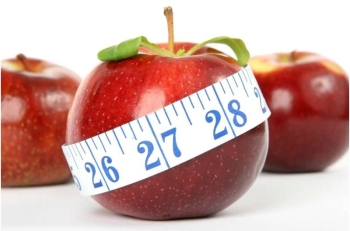
Calorie counts on menus and food labels may not help consumers choose healthier foods, new research shows
Knowing the calorie content of foods does not help people understand which foods are healthier, according to a study I recently co-authored in the Journal of Retailing. When study participants considered calorie information, they rated unhealthy food as less unhealthy and healthy food as less healthy. They were also less sure in their judgments.

Seafood consumption during pregnancy may benefit child development
Seafood consumption during pregnancy may be associated with better social–emotional, behavioural, and aggregate scores of development in the child, as well as potentially some aspects of cognitive development.

Type 2 diabetes - TEDx Talks with Dr Sarah Hallberg
Dr Sarah Hallberg discusses her research on treating type 2 diabetes with a low-carbohydrate, high-fat diet, arguing that this approach is more effective and cheaper than following the American Diabetes Association guidelines.

How food dye can affect children
Food dyes and some other additives are a public health concern. Even children and young adults without a mental health condition could become agitated after having food dye.
Can One Gram of Omega-3 Really Slow Aging? Here’s What Science Says
Omega-3 supplements may slow biological aging in older adults, especially when paired with vitamin D and exercise.

Adult ADHD: Why are waiting lists for diagnoses so long?
In this special programme on Adult ADHD, Claudia Hammond and guests ask how did we get to this point, and what can be done to shorten the waiting lists and to make sure people get a timely diagnosis if they need one?

Low iron could cause brain fog during menopause transition, study suggests
New research sheds light on an understudied area of science: iron levels in the blood and their relationship to cognitive performance in women transitioning into menopause.

High-fat, high-sugar diets impact cognitive function
"This research gives us evidence that diet is important for brain health in early adulthood, a period when cognitive function is usually intact..."

Low iron is common in teenage girls – with vegans and vegetarians at greatest risk, according to our research in Sweden
Our study confirmed that iron deficiency is common among teenage girls, with 38% of participants affected. We also found that risk of iron deficiency was strongly associated with both eating patterns and menstrual blood loss. Girls who reported heavy periods and followed a meat-restricted diet – meaning they were vegetarian, vegan, pescatarian or avoided red meat – had by far the highest risk of developing iron deficiency. We found that nearly 70% of vegans and vegetarians had iron deficiency.

Choline: The underappreciated nutrient that's vital for our brains
The compound has been linked to improved cognitive performance and reduced anxiety – but are you getting enough of it?

No drinks with sweeteners for younger children, say UK advisers
Younger children should not be given any drinks containing artificial sweeteners, UK experts are now advising.

Alcohol's lasting impact: Study reveals how heavy drinking damages cognition
For the first time, researchers demonstrate in an animal how heavy alcohol use leads to long-term behavioral issues by damaging brain circuits critical for decision-making.

Omega-3s have potential to counteract THC effects on fetal development, study finds
Previous studies show exposure to Tetrahydrocannabinol (THC)—the main psychoactive component in cannabis—while in utero can lead to lower birth weight and potential heart complications in newborn animal offspring. For the first time, researchers from Western's Schulich School of Medicine & Dentistry have found a potential way to prevent those effects.

Industry-influenced opinion of the week: Ultra-processed foods - Food Politics by Marion Nestle
If you have any doubts about the value of the concept of ultra-processed, the breadth and extent of industry pushback against the idea is excellent evidence. The concept is an existential threat to the processed food industry, and it is fighting back.
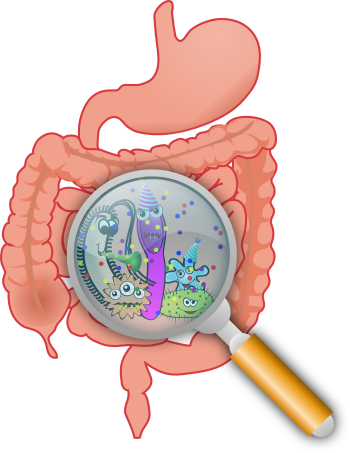
Is Your Gut Sabotaging Your Meds?
The state of your gut has a surprising impact on your meds—and vice versa.

Scientists Just Found a Major Problem With Vitamin B12 Guidelines – And Your Brain Might Be at Risk
Your brain might not be getting enough B12 — even if your levels are considered “normal.†A new study suggests that older adults with lower B12, even within the accepted range, show signs of cognitive decline and brain damage. Researchers found that these individuals had slower thinking and reaction times, along with white matter lesions linked to dementia.

Calorie-free sweeteners can disrupt the brain's appetite signals, study finds
Sucralose increased hunger and activity in the hypothalamus, especially in people with obesity. It also changed the way the hypothalamus communicated with other brain regions. Unlike sugar, sucralose did not increase blood levels of certain hormones that create a feeling of fullness.
- <
- 1
- 2
- 3
- 4
- 5
- 6
- 7
- 8
- 9
- 10
- 11
- 12
- 13
- 14
- 15
- 16
- 17
- 18
- 19
- 20
- 21
- 22
- 23
- 24
- 25
- 26
- 27
- 28
- 29
- 30
- 31
- 32
- 33
- 34
- 35
- 36
- 37
- 38
- 39
- 40
- 41
- 42
- 43
- 44
- 45
- 46
- 47
- 48
- 49
- 50
- 51
- 52
- 53
- 54
- 55
- 56
- 57
- 58
- 59
- 60
- 61
- 62
- 63
- 64
- 65
- 66
- 67
- 68
- 69
- 70
- 71
- 72
- 73
- 74
- 75
- 76
- 77
- 78
- 79
- 80
- 81
- 82
- 83
- 84
- 85
- 86
- 87
- 88
- 89
- 90
- 91
- 92
- 93
- 94
- 95
- 96
- 97
- 98
- 99
- 100
- 101
- 102
- 103
- 104
- 105
- 106
- 107
- 108
- 109
- 110
- 111
- 112
- 113
- 114
- 115
- 116
- 117
- 118
- 119
- 120
- 121
- 122
- 123
- 124
- 125
- 126
- 127
- 128
- 129
- 130
- 131
- 132
- 133
- 134
- 135
- 136
- 137
- 138
- 139
- 140
- 141
- 142
- 143
- 144
- 145
- 146
- 147
- 148
- 149
- 150
- 151
- 152
- 153
- 154
- 155
- 156
- 157
- 158
- 159
- 160
- 161
- >

Food and Behaviour Research is a registered charity (No SC034604) and a company limited by guarantee (Co No SC 253448)
Newsletter Signup
Useful Links
Contact Us
FAB Research
23 Carlton Road
Oxford
OX2 7SA
Important Notice
Medical opinion and guidance should always be sought for any symptoms that might possibly reflect a known or suspected disease, disorder or medical condition. Information provided on this website (or by FAB Research via any other means) does not in any way constitute advice on the treatment of any medical condition formally diagnosed or otherwise.
Site by Redstone Websites. Easy to Use Web Content Management. 2026 © All Rights Reserved.