News
Latest News List
Antioxidants and amino acids could play role in the treatment of psychosis
A scientific paper has revealed that some nutrients found in food may help reduce the symptoms of psychotic illness, when used in the early stages of treatment.

Researchers link dietary supplement DHA in pregnancy to higher fat-free body mass in children
Pregnant women who consumed a supplement of DHA (docosahexaenoic acid), a nutrient added to U.S. infant formulas since 2002, tend to have children with higher fat-free body mass at 5 years old.

Many medicines affect our gut bacteria, not just antibiotics
While the adverse effects of antibiotic use on the human microbiome are well documented, other commonly used medicines may also have a similar impact, warn researchers.
20 March 2018 - Children born to mothers with low vitamin D levels may develop autism-like behaviors
Low levels of vitamin D during pregnancy and breast feeding may be related to an unusual pattern of brain development that can lead to differences in social behaviour of children in later life, according to a study published in the Journal of Endocrinology.

20 March 2018 - MedicalXpress - Chronic fatigue syndrome possibly explained by lower levels of key thyroid hormones
New research demonstrates a link between chronic fatigue syndrome (CFS) symptoms and lower thyroid hormone levels. Published in Frontiers in Endocrinology, the study indicates that CFS, a condition with unknown causes, can be explained by lower thyroid hormones - but may be distinct from thyroidal disease. This finding can be seen as a first step to finding treatment for a debilitating illness for which there is no recognized treatment.

20 March 2018 - The Conversation - The science behind the red mist (and how fish can help with anger management)
What makes certain people more prone to moments of aggressive behaviour? And how can we better manage those moments? To accurately answer these questions, we need to distinguish between two different types of aggression.

20 March 2018 - Science Daily - Obese mice had about 25 percent fewer taste buds than lean mice in study
Previous studies have indicated that weight gain can reduce one's sensitivity to the taste of food. Now a new study shows that inflammation, driven by obesity, actually reduces the number of taste buds on the tongues of mice.

Artificial Sweeteners May Make You Fat
People are turning to foods that contain low-calorie sweeteners to give them the sweet taste they enjoy, without the risk of gaining weight. However, new research from George Washington University in the US suggests that artificial sweeteners may actually increase a person’s risk of becoming obese.

19 March 2018 - Nutraingedients - Calls for folic acid flour fortification after ‘concerning drop in folate levels’
Calls for mandatory fortification of flour with folic acid have been reignited after a UK government survey found over 90% of women of childbearing age are folate deficient.

19 March 2018 - Nutraingredients - Formula warning: Soy-based formula could cause changes in infant reproductive tissues
Babies fed soy-based formula may have 'subtle changes' in reproductive tissues, warn researchers who say long-term follow-ups are needed.

Is placebo ethical in vitamin D supplementation trials?
Placebo-controlled trials that limit supplementation potentially place people at risk of undue harm, warn researchers. It is essential to balance the need for identifying significant treatment effects against ensuring that patients are not harmed by being denied access to therapeutic treatment, say the review authors writing in Nutrients.

Study finds association between mother's larger waist size, child's autism risk
A new study finds children born to mothers who had a larger waist size before pregnancy may be more likely to have autism than those whose mothers had a smaller pre-pregnancy waist.
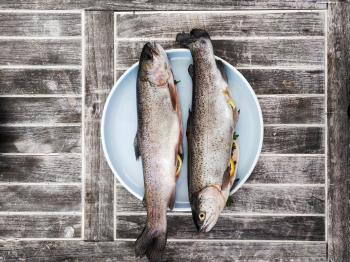
19 March 2018 - Science Daily - Fish accounted for surprisingly large part of the Stone Age diet
New research can now show what Stone Age people actually ate in southern Scandinavia 10 000 years ago. The importance of fish in the diet has proven to be greater than expected. So, if you want to follow a Paleo diet -- you should quite simply eat a lot of fish.

Obesity risk doubles for teens bombarded with junk food adverts
Teenagers are more than twice as likely to be obese if they can remember seeing a junk food advert every day compared to those who couldn't recall any over a month, according to a report by Cancer Research UK.

15 March 2018 - MedicalXpress - Artificial sweetener Splenda could intensify symptoms in those with Crohn's disease
In a study that has implications for humans with inflammatory diseases, researchers from Case Western Reserve University School of Medicine and colleagues have found that, given over a six-week period, the artificial sweetener sucralose, known by the brand name Splenda, worsens gut inflammation in mice with Crohn's-like disease, but had no substantive effect on those without the condition.

15 March 2018 - Science Daily - Coffee affects cannabis and steroid systems
Coffee affects your metabolism in dozens of other ways besides waking you up, including your metabolism of neurotransmitters typically linked to cannabis, a study reports.

Psychology Today - Low Cholesterol and Suicide (Again)
Another study links low cholesterol to depression and suicide attempts

9 March 2018 - MedicalXpress - Low levels of vitamin B12 may worsen walking, cognition in Parkinson's patients
A study of patients with early Parkinson's disease found that groups with lower levels of vitamin B12 faced on average a more rapid acceleration of both motor and cognitive symptoms, which slowed in some cases after taking a daily multivitamin.

9 March 2018 - MedicalXpress - Some great ways to fight childhood obesity
Childhood obesity is a problem that often follows kids into adulthood, exposing them to serious health threats later in life.

The Royal Society of Medicine - Poor rural population had best diet and health in mid-Victorian years
Poor, rural societies retaining a more traditional lifestyle where high-quality foods were obtained locally enjoyed the best diet and health in mid-Victorian Britain. A new study, published in JRSM Open, examined the impact of regional diets on the health of the poor during mid-19th century Britain and compared it with mortality data over the same period.
- <
- 1
- 2
- 3
- 4
- 5
- 6
- 7
- 8
- 9
- 10
- 11
- 12
- 13
- 14
- 15
- 16
- 17
- 18
- 19
- 20
- 21
- 22
- 23
- 24
- 25
- 26
- 27
- 28
- 29
- 30
- 31
- 32
- 33
- 34
- 35
- 36
- 37
- 38
- 39
- 40
- 41
- 42
- 43
- 44
- 45
- 46
- 47
- 48
- 49
- 50
- 51
- 52
- 53
- 54
- 55
- 56
- 57
- 58
- 59
- 60
- 61
- 62
- 63
- 64
- 65
- 66
- 67
- 68
- 69
- 70
- 71
- 72
- 73
- 74
- 75
- 76
- 77
- 78
- 79
- 80
- 81
- 82
- 83
- 84
- 85
- 86
- 87
- 88
- 89
- 90
- 91
- 92
- 93
- 94
- 95
- 96
- 97
- 98
- 99
- 100
- 101
- 102
- 103
- 104
- 105
- 106
- 107
- 108
- 109
- 110
- 111
- 112
- 113
- 114
- 115
- 116
- 117
- 118
- 119
- 120
- 121
- 122
- 123
- 124
- 125
- 126
- 127
- 128
- 129
- 130
- 131
- 132
- 133
- 134
- 135
- 136
- 137
- 138
- 139
- 140
- 141
- 142
- 143
- 144
- 145
- 146
- 147
- 148
- 149
- 150
- 151
- 152
- 153
- 154
- 155
- 156
- 157
- 158
- 159
- 160
- 161
- >

Food and Behaviour Research is a registered charity (No SC034604) and a company limited by guarantee (Co No SC 253448)
Newsletter Signup
Useful Links
Contact Us
FAB Research
23 Carlton Road
Oxford
OX2 7SA
Important Notice
Medical opinion and guidance should always be sought for any symptoms that might possibly reflect a known or suspected disease, disorder or medical condition. Information provided on this website (or by FAB Research via any other means) does not in any way constitute advice on the treatment of any medical condition formally diagnosed or otherwise.
Site by Redstone Websites. Easy to Use Web Content Management. 2026 © All Rights Reserved.