News
Latest News List
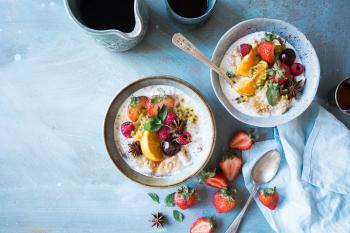
19 January 2018 - MedicalXpress - Frequent family meals promote good nutritional health in children
Breakfast at home: for the positive effects of family meals, it doesn't matter at what time of the day parents and children sit down together for a meal.

18 January 2018 - MedicalXpress - Wine is good for you - to a point
While many see wine as the healthy choice, noting its antioxidant power, research shows benefits of alcohol are pretty equal across the board – whether it's a shot of liquor, a glass of wine or a bottle of beer. Also, the antioxidants in wine can be overrated.

17 January 2018 - Nutraingredients - Probiotics in pregnancy could protect against against childhood obesity
Intake of probiotics during pregnancy and breast feeding has been shown to modify genes related to obesity in both themselves and their infants, say researchers.

17 January 2018 - MedicalXpress - Prebiotics in infant formula could improve learning and memory and alter brain chemistry
In a recent study from the Piglet Nutrition and Cognition Lab at U of I, scientists worked with piglets to show prebiotics included in infant formula can enhance memory and exploratory behaviour.

Teens likely to crave junk food after watching TV ads
Teenagers who watch more than three hours of commercial TV a day are more likely to eat hundreds of extra junk food snacks, according to a report by Cancer Research UK.

Does eating more fish protect you from depression?
According to the world health organisation (WHO), depression is the greatest single cause of disability worldwide. Therefore, understanding mechanisms leading to depression and how to minimise its risks is very important.

11 January 2018 - The Conversation - Sugar: six easy ways to encourage children to eat less
A new campaign from Public Health England is urging parents to limit snacks for children to two a day, and 100 calories a piece.

9 January 2018 - Nutraingredients - Gut bacteria could counteract depressive tendencies: Animal data
Certain strains of lactic acid bacteria could help prevent the type of depression linked to unhealthy lifestyles, according to researchers in Denmark.

Sleeping for longer leads to a healthier diet
Sleeping for longer each night is a simple lifestyle intervention that could help reduce intake of sugary foods and lead to a generally healthier diet, according to a new study.

Your Brain on Plants: Micronutrients and Mental Health
Do vegetarian and vegan diets contain the micronutrients our brains need to function properly? Or do they put people at risk for serious deficiencies that increase the likelihood of developing psychiatric disorders?

Childhood Omega-3 intake linked to better sleep and higher IQ scores
Weekly consumption of fish may drive both improved sleep and enhanced cognitive ability in children, according to new data.

Eating more foods with choline during pregnancy could boost baby's brain
When expectant mothers consume sufficient amounts of the nutrient choline during pregnancy, their offspring gain enduring cognitive benefits, a new Cornell University study suggests.

4 January 2018 - Nutraingredients - Maternal use of folic acid and vitamins linked to reduced autism risk in children
Mothers, who use folic acid and multivitamin supplements before and during pregnancy, appear to reduce their offspring’s risk of autism spectrum disorder (ASD), according to a study from Israel.

4 January 2018 - Futurity - Is autism more common that we thought?
The number of children in the United States diagnosed with autism spectrum disorder may be significantly higher than previously thought, a new analysis suggests.

3 January 2018 - MedicalXpress - Food cues undermine healthy eating choices
Obesity has become a major health issue due to the current 'obesogenic' environment in which unhealthy food is both easy and cheap to purchase.

3 January 2018 - The Conversation - Five reasons why we overeat
We tend to think that we stop eating when our stomachs are full. Science shows otherwise.

2 January 2018 - MedicalXpress - Folic acid lessens autism risk for fetal anti-epileptic exposure
For children exposed to antiepileptic drugs (AEDs) in utero, the risk of autistic traits may be mitigated by use of periconceptional folic acid supplementation, according to a study published online Dec. 26 in JAMA Neurology.

Food Fights: Are Vegan Diets Healthier for the Brain?
We think a lot about how plant-based diets and animal-based affect our hearts, our blood sugar levels, or our risk for cancer, but how do our dietary choices affect our brains? What do we actually know about vegan diets and mental health? As a psychiatrist who specializes in nutrition, this question is near and dear to my heart, and one that richly deserves our attention.

Improved nutrition for extremely low birth weight preemies
At the neonatology ward of the Vienna General Hospital (Medical University Vienna), physicians compared two mixtures of intravenous lipids for nutrition with support coming from the Austrian Science Fund (FWF).

26 December 2017 - The Conversation - Our fight with fat: Why is obesity getting worse?
Obesity rates in the U.S. - the percent of the total population that's obese has climbed from 19.4 percent in 1997 to more than 30 percent in 2015.
- <
- 1
- 2
- 3
- 4
- 5
- 6
- 7
- 8
- 9
- 10
- 11
- 12
- 13
- 14
- 15
- 16
- 17
- 18
- 19
- 20
- 21
- 22
- 23
- 24
- 25
- 26
- 27
- 28
- 29
- 30
- 31
- 32
- 33
- 34
- 35
- 36
- 37
- 38
- 39
- 40
- 41
- 42
- 43
- 44
- 45
- 46
- 47
- 48
- 49
- 50
- 51
- 52
- 53
- 54
- 55
- 56
- 57
- 58
- 59
- 60
- 61
- 62
- 63
- 64
- 65
- 66
- 67
- 68
- 69
- 70
- 71
- 72
- 73
- 74
- 75
- 76
- 77
- 78
- 79
- 80
- 81
- 82
- 83
- 84
- 85
- 86
- 87
- 88
- 89
- 90
- 91
- 92
- 93
- 94
- 95
- 96
- 97
- 98
- 99
- 100
- 101
- 102
- 103
- 104
- 105
- 106
- 107
- 108
- 109
- 110
- 111
- 112
- 113
- 114
- 115
- 116
- 117
- 118
- 119
- 120
- 121
- 122
- 123
- 124
- 125
- 126
- 127
- 128
- 129
- 130
- 131
- 132
- 133
- 134
- 135
- 136
- 137
- 138
- 139
- 140
- 141
- 142
- 143
- 144
- 145
- 146
- 147
- 148
- 149
- 150
- 151
- 152
- 153
- 154
- 155
- 156
- 157
- 158
- 159
- 160
- 161
- >

Food and Behaviour Research is a registered charity (No SC034604) and a company limited by guarantee (Co No SC 253448)
Newsletter Signup
Useful Links
Contact Us
FAB Research
23 Carlton Road
Oxford
OX2 7SA
Important Notice
Medical opinion and guidance should always be sought for any symptoms that might possibly reflect a known or suspected disease, disorder or medical condition. Information provided on this website (or by FAB Research via any other means) does not in any way constitute advice on the treatment of any medical condition formally diagnosed or otherwise.
Site by Redstone Websites. Easy to Use Web Content Management. 2026 © All Rights Reserved.