News
Latest News List

17 October 2017 - The Conversation - This is why child obesity rates have soared
New data on almost 13 million people, from 200 countries around the world, points to a tenfold increase in rates of obesity among children and adolescents over the last four decades.

Sugar in the diet may increase risks of opioid addiction
Could a diet high in refined sugars make children and adults more susceptible to opioid addiction and overdose? New research suggests it could.

Can Vitamin D Exposure In Utero Alter Children’s Metabolic Profiles?
Vitamin D deficiency is known to play a role in the development of many diseases. Researchers determine if vitamin D exposure in utero could affect the risk for inflammatory diseases later in life.

Many pregnant women not getting message about boosting iodine and folic acid
Just over a third of New Zealand mothers follow recommendations to take in additional iodine and folic acid before and during pregnancy, and iodine when breastfeeding.

Call for “monumental” rethink of food systems that “make people sick”
Industrial food and farming systems are “making people sick†and fuelling the obesity crisis, according to research published by the International Panel of Experts on Sustainable Food Systems.

12 October 2017 - Science Daily - Dangerous trend: The placenta is not suitable as a 'superfood'
More and more women want to take their own placenta with them after childbirth in order to eat it for "health reasons". This phenomenon is growing, especially in the USA, but also in Europe, although physicians are increasingly expressing concerns about it.

9 October 2017 - MedicalXpress - Healthy food is key to a healthy mind
The risk of developing depression is directly linked to diet, lifestyle and exercise, a ground-breaking index developed by Swinburne researchers has found.

7 October 2017 - MedicalXpress - Orthorexia: When 'healthy eating' ends up making you sick
People, it seems, have never been so afraid of their food - and, say some experts, an obsession with healthy eating may paradoxically be endangering lives.

Complex guidelines on eating fish when pregnant mean that mothers – and babies – are missing out
There is growing evidence of benefits to the health and development of the baby if women eat fish while pregnant, despite the mercury content.

6 October 2017 - MedicalXpress - Everything you need to know about trans fats
Nearly 12 years after it was first recommended, the federal government has announced its intention to ban partially hydrogenated oils in all food sold in Canada.

5 October 2017 - Nutraingredients - More evidence needed: BMJ study links multivitamin intake to lower autism risk
Taking a multivitamin during pregnancy is associated with a lower risk of autism spectrum disorders (ASD) in children, says a new study. However, researchers warn that evidence is not yet sufficient to change policies or healthcare practices.

5 October 2017 - Science Daily - Identifying ways to minimize the harm of energy drinks
Because many countries allow the sale of energy drinks to young people, identifying ways to minimize potential harm from energy drinks is critical. A new study provided unique insights into intervention strategies suggested by young people themselves to reduce consumption.
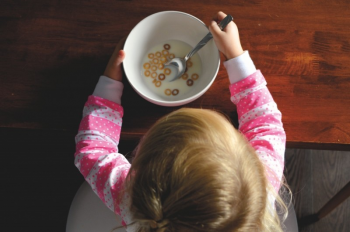
Got a picky eater? How 'nature and nurture' may be influencing eating behavior in young children
In a new study, the researchers wanted to see if chemosensory genes might have a possible relationship to picky eating behavior in young children. They found that certain genes related to taste perception may be behind some of these picky eating habits.

Vitamin D protects against severe asthma attacks
Taking oral vitamin D supplements in addition to standard asthma medication could halve the risk of asthma attacks requiring hospital attendance.
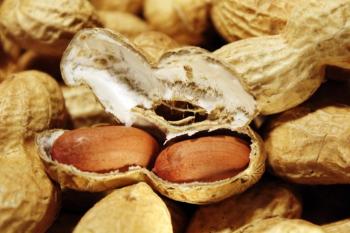
2 October 2017 - MedicalXpress - Study suggests women eating peanuts during breastfeeding could prevent child from developing allergy
A team of researchers conducting a study on women eating peanuts while breastfeeding has found evidence that suggests it can reduce the chances of their child developing a peanut allergy as long as they also give peanuts directly to the child.

1 October 2017 - BBC News - Mental health: 10 charts on the scale of the problem
At any one time, a sixth of the population in England aged 16 to 64 have a mental health problem, according to statistics body NHS Digital.

29 September 2017 - MedicalXpress - The food ingredient hordenine in beer activates the reward centre in the brain
Scientists examined 13,000 food components to find out whether they stimulate the reward centre in the brain and make people feel good. Hordenine which is found in malted barley and beer seems to do the job quite well.

Iron supplements have long-term benefits for low birth-weight babies
Babies classified as low birth weight (under 2.500 grams) are at risk of iron deficiency, which is linked to impaired neurological development.

27 September 2017 - Nutraingredients - Should women on a paleo diet be taking iodine supplements?
The paleo diet may increase the risk of iodine deficiency, says a new study that calls for iodine supplementation for people adhering to the growing trend.

Most milk substitutes are low in iodine - here's why it matters
We found that most milk substitutes were naturally low in iodine; their concentration was around 2% of that of cows’ milk. And only three of the 47 drinks were fortified with iodine.
- <
- 1
- 2
- 3
- 4
- 5
- 6
- 7
- 8
- 9
- 10
- 11
- 12
- 13
- 14
- 15
- 16
- 17
- 18
- 19
- 20
- 21
- 22
- 23
- 24
- 25
- 26
- 27
- 28
- 29
- 30
- 31
- 32
- 33
- 34
- 35
- 36
- 37
- 38
- 39
- 40
- 41
- 42
- 43
- 44
- 45
- 46
- 47
- 48
- 49
- 50
- 51
- 52
- 53
- 54
- 55
- 56
- 57
- 58
- 59
- 60
- 61
- 62
- 63
- 64
- 65
- 66
- 67
- 68
- 69
- 70
- 71
- 72
- 73
- 74
- 75
- 76
- 77
- 78
- 79
- 80
- 81
- 82
- 83
- 84
- 85
- 86
- 87
- 88
- 89
- 90
- 91
- 92
- 93
- 94
- 95
- 96
- 97
- 98
- 99
- 100
- 101
- 102
- 103
- 104
- 105
- 106
- 107
- 108
- 109
- 110
- 111
- 112
- 113
- 114
- 115
- 116
- 117
- 118
- 119
- 120
- 121
- 122
- 123
- 124
- 125
- 126
- 127
- 128
- 129
- 130
- 131
- 132
- 133
- 134
- 135
- 136
- 137
- 138
- 139
- 140
- 141
- 142
- 143
- 144
- 145
- 146
- 147
- 148
- 149
- 150
- 151
- 152
- 153
- 154
- 155
- 156
- 157
- 158
- 159
- 160
- 161
- >

Food and Behaviour Research is a registered charity (No SC034604) and a company limited by guarantee (Co No SC 253448)
Newsletter Signup
Useful Links
Contact Us
FAB Research
23 Carlton Road
Oxford
OX2 7SA
Important Notice
Medical opinion and guidance should always be sought for any symptoms that might possibly reflect a known or suspected disease, disorder or medical condition. Information provided on this website (or by FAB Research via any other means) does not in any way constitute advice on the treatment of any medical condition formally diagnosed or otherwise.
Site by Redstone Websites. Easy to Use Web Content Management. 2026 © All Rights Reserved.