News
Latest News List

Does sugar make you sad? New science suggests so
New study shows a link between diets high in sugar and common mental disorders.
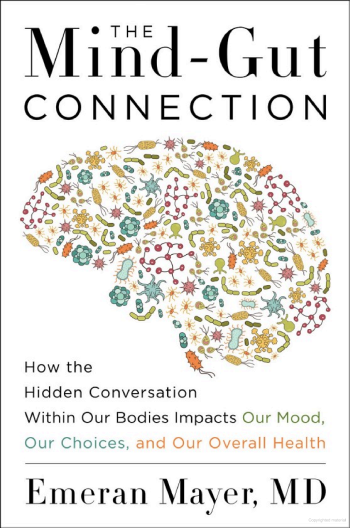
Understanding the constant dialogue that goes on between our gut and our brain
In his book "The Mind-Gut Connection: How the Hidden Conversation Within Our Bodies Impacts Our Mood, Our Choices, and Our Overall Health" (Harper Collins, 2016), Dr. Emeran Mayer retells Petrov's story, and he notes how many historic and present-day decision-makers have cited unspecified feelings in their gut as tipping the balance on a difficult call.

26 July 2017 - Nutraingredients - Lutein levels linked to a more agile and ‘youthful’ brain: Study
A high intake of lutein appears to slow down cognitive decline, a US study suggests, as findings appear to support previous outcomes linking this nutrient to improved mental health.

Food-based iodine during pregnancy important for child brain development
Low levels of maternal iodine may be linked to reduced brain development at age three, a new study has suggested.
25 July 2017 - Science Daily - Mediterranean-style diets linked to better brain function in older adults
Eating foods included in two healthy diets -- the Mediterranean or the MIND diet -- is linked to a lower risk for memory difficulties in older adults, according to a new study.
20 July 2017 - Nutraingredients - Trust in nutritional science ‘deflating’, claim Dutch scientists

Maternal vitamin D level linked to adverse events in childhood development
Children born to mothers with inadequate vitamin D-serum 25(OH)D levels were more likely to have suboptimal motor and social skills when compared with children born to mothers with adequate levels, according to research recently published in the British Journal of Nutrition.
Maternal obesity during pregnancy may be linked to behavioral problems in boys
Maternal obesity and child neurodevelopmental problems have both increased in the U.S. and scientists have suggested a possible link.

Vitamin D in Pregnancy Linked to Suboptimal Infant Development
Study found that vitamin D level in pregnancy is associated with neurodevelopmental outcomes in the offspring. Children born to women with low levels of vitamin D in pregnancy are more likely to have suboptimal fine- and gross-motor skills.
11 July 2017 - NewsMaxHealth - Coffee Linked to Lower Death Risk
Coffee addicts and aficionados often say drinking the bitter liquid makes life worth living, but the habit may also help them live longer, according to two major international studies.
10 July 2017 - Nutraingredients - Coffee and anti-ageing: Consumption 'contributes to the prevention' of age-related diseases
Coffee consumption has been shown to offer anti-ageing benefits and contribute to improved insulin resistance, according to new research from Japan.

Vitamin D3 more effective than D2 - Time to change vitamin D guidelines?
New research suggesting vitamin D3 is twice as effective as vitamin D2 should turn current guidance ‘on its head’, say those behind the study.
Sugar in pregnancy linked to childhood asthma and allergy
High intake of sugar during pregnancy could increase risk of childhood allergy and allergic asthma, according to a new large-scale study.
5 July 2017 - Science Daily - Brain's immune cells may drive overeating and weight gain
Immune cells in the brain trigger overeating and weight gain in response to diets rich in fat, according to a new study in mice.
Sugar intake during pregnancy is associated with allergy and allergic asthma in children
High maternal sugar intake during pregnancy may increase the risk of allergy and allergic asthma in the offspring, according to an early study involving almost 9,000 mother-child pairs.
- <
- 1
- 2
- 3
- 4
- 5
- 6
- 7
- 8
- 9
- 10
- 11
- 12
- 13
- 14
- 15
- 16
- 17
- 18
- 19
- 20
- 21
- 22
- 23
- 24
- 25
- 26
- 27
- 28
- 29
- 30
- 31
- 32
- 33
- 34
- 35
- 36
- 37
- 38
- 39
- 40
- 41
- 42
- 43
- 44
- 45
- 46
- 47
- 48
- 49
- 50
- 51
- 52
- 53
- 54
- 55
- 56
- 57
- 58
- 59
- 60
- 61
- 62
- 63
- 64
- 65
- 66
- 67
- 68
- 69
- 70
- 71
- 72
- 73
- 74
- 75
- 76
- 77
- 78
- 79
- 80
- 81
- 82
- 83
- 84
- 85
- 86
- 87
- 88
- 89
- 90
- 91
- 92
- 93
- 94
- 95
- 96
- 97
- 98
- 99
- 100
- 101
- 102
- 103
- 104
- 105
- 106
- 107
- 108
- 109
- 110
- 111
- 112
- 113
- 114
- 115
- 116
- 117
- 118
- 119
- 120
- 121
- 122
- 123
- 124
- 125
- 126
- 127
- 128
- 129
- 130
- 131
- 132
- 133
- 134
- 135
- 136
- 137
- 138
- 139
- 140
- 141
- 142
- 143
- 144
- 145
- 146
- 147
- 148
- 149
- 150
- 151
- 152
- 153
- 154
- 155
- 156
- 157
- 158
- 159
- 160
- 161
- >

Food and Behaviour Research is a registered charity (No SC034604) and a company limited by guarantee (Co No SC 253448)
Newsletter Signup
Useful Links
Contact Us
FAB Research
23 Carlton Road
Oxford
OX2 7SA
Important Notice
Medical opinion and guidance should always be sought for any symptoms that might possibly reflect a known or suspected disease, disorder or medical condition. Information provided on this website (or by FAB Research via any other means) does not in any way constitute advice on the treatment of any medical condition formally diagnosed or otherwise.
Site by Redstone Websites. Easy to Use Web Content Management. 2026 © All Rights Reserved.