News
Latest News List
11 May 2016 - Nutraingredients - Good nutrition has large say in kids' social behaviour, research suggests
Promoting good nutrition in early life is not only good for health but also social behaviour and development, a study has demonstrated. The findings provide a positive slant to the often-held view that poor diet negatively influences early childhood development.
05 May 2016 - MNT - Schizophrenia, bipolar tied to yeast infection
A current or previous infection with Candida albicans appears to be more common in some people with mental illness than people without the condition.

Vitamin D supplementation during first year of life improves muscle-mass development and reduces body fat
A healthy intake of vitamin D in the first year of life appears to set children up to have more muscle mass and less body fat as toddlers, according to a new study published in the journal Pediatric Obesity.

Do Vitamins and Supplements Make Antidepressants More Effective?
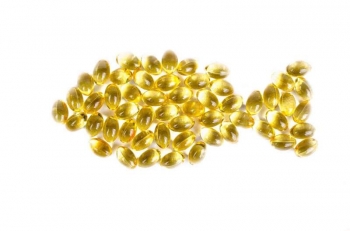
Researchers have found that taking some nutritional supplements — such as omega-3 fish oil and Vitamin D — could increase the efficacy of antidepressants among people who suffer from clinical depression.


Digestive issues attributed to lactose intolerance may be caused by A1 beta-casein protein - clinical trial
Digestive symptoms attributed to lactose intolerance might instead be caused by A1 milk protein
#Breadgate and nutritional psychiatry
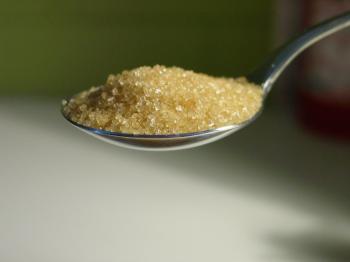
The review paper by Paola Bressan & Peter Kramer titled: 'Bread and Other Edible Agents of Mental Disease' has been getting a few people a little hot under the collar recently. With it's own Twitter hashtag #breadgate it looks like the idea that certain foods might have something of a bearing on "human behaviour and mental health" has not been received particularly well.
12 April 2016 - Nutraingredients - Mind the fibre gap: The case of the vanishing gut microbiome
Increasing dietary fibre intake may be the best way to regain the microbial biodiversity that has been impaired by the western diet, according to researchers.


EFSA vitamin D intakes are too low and 'missing data': Industry group
The EU's central science agency last week published draft recommendations for vitamin D intakes – 15 micrograms (µg) a day for adults – a level drawing some criticism for being too low. Others say supplement sales will rise.
- <
- 1
- 2
- 3
- 4
- 5
- 6
- 7
- 8
- 9
- 10
- 11
- 12
- 13
- 14
- 15
- 16
- 17
- 18
- 19
- 20
- 21
- 22
- 23
- 24
- 25
- 26
- 27
- 28
- 29
- 30
- 31
- 32
- 33
- 34
- 35
- 36
- 37
- 38
- 39
- 40
- 41
- 42
- 43
- 44
- 45
- 46
- 47
- 48
- 49
- 50
- 51
- 52
- 53
- 54
- 55
- 56
- 57
- 58
- 59
- 60
- 61
- 62
- 63
- 64
- 65
- 66
- 67
- 68
- 69
- 70
- 71
- 72
- 73
- 74
- 75
- 76
- 77
- 78
- 79
- 80
- 81
- 82
- 83
- 84
- 85
- 86
- 87
- 88
- 89
- 90
- 91
- 92
- 93
- 94
- 95
- 96
- 97
- 98
- 99
- 100
- 101
- 102
- 103
- 104
- 105
- 106
- 107
- 108
- 109
- 110
- 111
- 112
- 113
- 114
- 115
- 116
- 117
- 118
- 119
- 120
- 121
- 122
- 123
- 124
- 125
- 126
- 127
- 128
- 129
- 130
- 131
- 132
- 133
- 134
- 135
- 136
- 137
- 138
- 139
- 140
- 141
- 142
- 143
- 144
- 145
- 146
- 147
- 148
- 149
- 150
- 151
- 152
- 153
- 154
- 155
- 156
- 157
- 158
- 159
- 160
- 161
- >

Food and Behaviour Research is a registered charity (No SC034604) and a company limited by guarantee (Co No SC 253448)
Newsletter Signup
Useful Links
Contact Us
FAB Research
23 Carlton Road
Oxford
OX2 7SA
Important Notice
Medical opinion and guidance should always be sought for any symptoms that might possibly reflect a known or suspected disease, disorder or medical condition. Information provided on this website (or by FAB Research via any other means) does not in any way constitute advice on the treatment of any medical condition formally diagnosed or otherwise.
Site by Redstone Websites. Easy to Use Web Content Management. 2026 © All Rights Reserved.