News
Latest News List
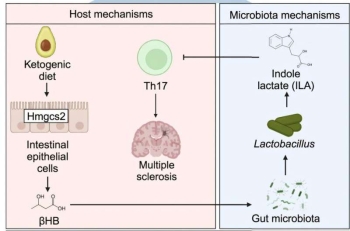
How the keto diet could one day treat autoimmune disorders by increasing anti-inflammatory compounds
These results provide hope for the development of a more tolerable alternative to helping those people than asking them stick to a challenging restrictive diet.

Enzymes linked to high-fat diet's impact on multiple sclerosis offer potential way to protect neurons
"We hope this information can empower patients to make informed dietary decisions that could positively impact the course of the disease, while identifying strategies to counteract the effect of enzymes in a neuron-specific fashion."
Study finds techniques to protect neurons from harmful impact of some dietary fats on multiple sclerosis progression
"This new information points to a specific metabolic pathway through which dietary fats can worsen MS symptoms."

Sugar in first 1,000 days linked to poor health later
Cutting sugar in the first 1,000 days of a baby's life - from conception to the age of two - appears to reduce the risk of developing significant health issues in adult life, say researchers.

Britain’s postwar sugar craze confirms harms of sweet diets in early life
A study utilising the end of sugar rationing in the UK as a natural experiment reveals that early-life exposure to high sugar intake may increase the risk of type 2 diabetes and hypertension later in life.

Scurvy is largely a historical disease but there are signs it’s making a comeback
Scurvy is a disease caused by a severe deficiency of vitamin C (ascorbic acid). Without enough vitamin C, the body cannot properly repair tissues, heal wounds, or fight infections.

The effects of binge drinking on teenagers’ brain development
Alcohol is deeply rooted in our cultures and habits, and in most Western countries, its significant economic weight grants it a much more favourable legal status and social perception than other drugs.

Ultra-processed foods: Why public health warnings could backfire
We should be thinking very carefully about what advice is being given to the public, as opposed to providing simplified and potentially misleading messages that grab headlines.
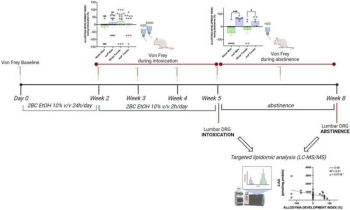
For heavy drinkers, chronic pain associated with alcohol withdrawal could be permanent
One of the main physical symptoms of alcohol withdrawal is "allodynia"— increased sensitivity to mechanical stimuli that are normally innocuous, which is a clinical sign of chronic pain.
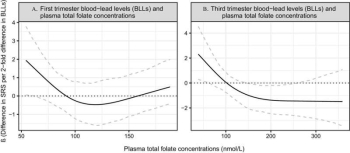
Folic acid may mitigate link between lead exposure during pregnancy and autistic behaviors in children
Folic acid supplementation during pregnancy has numerous benefits to child health, especially brain development.

Having a sweet tooth is linked to higher risk of depression, diabetes and stroke, study finds
People with a preference for sweets are at a higher risk of developing depression, diabetes, and suffering a stroke, according to new research from the University of Surrey.

Four in five pregnant women in Ireland are iron deficient – here’s why that’s worrying
More than 80% of pregnant women in Ireland are iron deficient by their third trimester, according to a new study. Surprisingly the women were in otherwise good health.

The Stronger Minds Podcast: Why I'm Starting a Beef with the NICE People
The average full term baby weighs just over 7lbs. One pound of that is the baby’s brain. Nature, via the mother’s body, devotes enormous amounts of energy into building the baby’s brain during and just after pregnancy. The brain is the hungriest organ in the body and requires specific nutrients from the diet for proper structure and function.

California bans six artificial dyes in foods served at public schools
A new law just passed in California makes it the first state to tell public schools they may no longer serve foods that contain six artificial dyes linked to health and behaviour problems among children.

Food for thought: How diet affects the brain over a lifetime
A wealth of research shows that what people eat affects the body's ability to ward off heart disease and stroke. And a growing body of research finds what's good for the heart is good for the brain, revealing the same risk factors that lead to heart disease contribute to Alzheimer's disease and other dementias.

Expert panel calls for nutrition competencies in US medical education
A professionally-diverse panel of medical and nutrition experts have proposed a set of recommended nutrition competencies for medical students and physician trainees. The study addresses a longstanding concern that most physicians in the U.S. are not equipped to advise patients about nutrition and food choices.

Companies keep selling harmful products – but history shows consumers can win in the end
When people think of epidemics, they might think they’re caused only by viruses or other germs. But as public health experts, we know that’s just part of the story. Commerce can cause epidemics, too. Social media, guns, sugar: These are all examples of what we call “market-driven epidemics.â€

Autistic people and those with ADHD are more likely to have eating disorders. Here’s why – and how this affects their treatment
Why are neurodivergent people, such as autistic people and those with ADHD, more likely to experience eating disorders than the broader population? And how does this impact their treatment?

Research suggests myelin fatty acid metabolism could serve as an energy reserve for the central nervous system
These findings suggest that oligodendroglial lipid metabolism can serve as an energy reserve, helping to overcome glucose deprivation and associated neurodegeneration.
The Food Programme - The Brain Gut Connection
The discussion focusses on the known connections between food and mental health, from childhood through to old age.
- <
- 1
- 2
- 3
- 4
- 5
- 6
- 7
- 8
- 9
- 10
- 11
- 12
- 13
- 14
- 15
- 16
- 17
- 18
- 19
- 20
- 21
- 22
- 23
- 24
- 25
- 26
- 27
- 28
- 29
- 30
- 31
- 32
- 33
- 34
- 35
- 36
- 37
- 38
- 39
- 40
- 41
- 42
- 43
- 44
- 45
- 46
- 47
- 48
- 49
- 50
- 51
- 52
- 53
- 54
- 55
- 56
- 57
- 58
- 59
- 60
- 61
- 62
- 63
- 64
- 65
- 66
- 67
- 68
- 69
- 70
- 71
- 72
- 73
- 74
- 75
- 76
- 77
- 78
- 79
- 80
- 81
- 82
- 83
- 84
- 85
- 86
- 87
- 88
- 89
- 90
- 91
- 92
- 93
- 94
- 95
- 96
- 97
- 98
- 99
- 100
- 101
- 102
- 103
- 104
- 105
- 106
- 107
- 108
- 109
- 110
- 111
- 112
- 113
- 114
- 115
- 116
- 117
- 118
- 119
- 120
- 121
- 122
- 123
- 124
- 125
- 126
- 127
- 128
- 129
- 130
- 131
- 132
- 133
- 134
- 135
- 136
- 137
- 138
- 139
- 140
- 141
- 142
- 143
- 144
- 145
- 146
- 147
- 148
- 149
- 150
- 151
- 152
- 153
- 154
- 155
- 156
- 157
- 158
- 159
- 160
- 161
- >

Food and Behaviour Research is a registered charity (No SC034604) and a company limited by guarantee (Co No SC 253448)
Newsletter Signup
Useful Links
Contact Us
FAB Research
23 Carlton Road
Oxford
OX2 7SA
Important Notice
Medical opinion and guidance should always be sought for any symptoms that might possibly reflect a known or suspected disease, disorder or medical condition. Information provided on this website (or by FAB Research via any other means) does not in any way constitute advice on the treatment of any medical condition formally diagnosed or otherwise.
Site by Redstone Websites. Easy to Use Web Content Management. 2026 © All Rights Reserved.