News
Latest News List
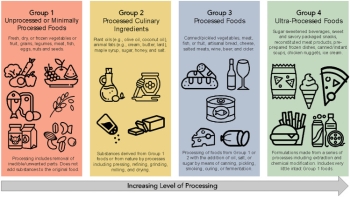
Monteiro et al 2012 - Global health and Food processing: a new classification
Food processing is now the main shaping force of the global food system, and the main determinant of the nature of diets and related states of health and well-being.
BBC News - How we became addicted to sugar
We are swamped by sugar. It has crept into all areas of our daily diet, from the sweet treats we award ourselves to family essentials such as pre-packaged loaves of bread.
22 Nov 2012 - Nutraingredients - Preventing malnutrition will save money as well as lives, says the UN
Investment in battling malnutrition on a global scale will help save and improve millions of lives, but will also save billions of euros on lost potential GDP for countries where malnutrition is a problem, according to the United Nations

Study calls for maternal vitamin D supplementation to reduce Multiple Sclerosis risk
New data that strongly implicates maternal levels of vitamin D with the risk of multiple sclerosis (MS) in children means there is now a strong case for supplementation in pregnant women in countries where sunlight levels are low between October and March.
18 Nov 2012 - The Guardian - Britain in nutrition recession as food prices rise and incomes shrink
Families filling up on high-fat processed foods as 900,000 fewer in two years manage 'five-a-day' fruit and vegetables
9 Nov 2012 - Psych Central - The Gluten-Mood Connection
Information about why doing a Gluten-Free Challenge may be right for you.

D is for Dementia - Vitamin D and Brain Health
Think of the health benefits of vitamin D, and you’ll probably think of bone strength. For decades, diseases like osteoporosis, osteopenia, and osteomalacia have been prevented and treated with adequate vitamin D intake, among other interventions. In recent years, the evidence that vitamin D affects more than just bones has mounted; cardiovascular disease, cancers, stroke, depression, and metabolic disorders have all been linked to low vitamin D levels. A new review adds cognitive decline and dementia to that list.

18 Oct 2012 - American Psychological Association - That gut feeling
With a sophisticated neural network transmitting messages from trillions of bacteria, the brain in your gut exerts a powerful influence over the one in your head, new research suggests.
17 Oct 2012 - BBC News - Skipping breakfast primes the brain to seek out fat
Brain scans show that skipping breakfast makes fatty, high calorie foods appear far more attractive later in the day, according to researchers.
10 Oct 2012 - Medical Xpress - Vitamin B crucial to children's mental health, study finds
New study has uncovered a significant link between vitamin B levels and the mental health and well-being of children and adolescents.
9 Oct 2012 - ScienceDaily - Fruits and vegetables: Seven-a-day for Happiness and Mental Health
Happiness and mental health are highest among people who eat seven portions of fruit and vegetables a day, according to a new report.

21 Sept 2012 - MNT - Chocolate Gorging Linked to Opium Chemical in Brain
A new brain study suggests an opium-like chemical may drive the urge to gorge on chocolate candy and similar fatty and sweet treats.
Maternal vitamin D backed to help build better baby brain
Mothers with low levels of vitamin D are more likely to have children with slower brain development and lower mental and motor skills, warn researchers
7 Sept 2012 - Nutraingredients - Amino Acid Supplements may offer autism promise
Intake of common nutritional supplements containing amino acids could help to combat a unique form of autism, according to new research published in the journal Science.
7 Sept 2012 - TIME - Omega-3s as Study Aid? DHA May Help Lowest-Scoring Readers Improve
In a four-month trial of the omega-3 fatty acid DHA, some improvement was seen in children's reading scores and behavior, but only in the lowest performing students
6 Sept 2012 - Nutraingredients - Researchers uncover how green tea compound boosts brain power
The green tea compound epigallocatechin-3 (EGCG) provides benefits to memory and special learning by boosting the production of important neural cells, say researchers from China.
- <
- 1
- 2
- 3
- 4
- 5
- 6
- 7
- 8
- 9
- 10
- 11
- 12
- 13
- 14
- 15
- 16
- 17
- 18
- 19
- 20
- 21
- 22
- 23
- 24
- 25
- 26
- 27
- 28
- 29
- 30
- 31
- 32
- 33
- 34
- 35
- 36
- 37
- 38
- 39
- 40
- 41
- 42
- 43
- 44
- 45
- 46
- 47
- 48
- 49
- 50
- 51
- 52
- 53
- 54
- 55
- 56
- 57
- 58
- 59
- 60
- 61
- 62
- 63
- 64
- 65
- 66
- 67
- 68
- 69
- 70
- 71
- 72
- 73
- 74
- 75
- 76
- 77
- 78
- 79
- 80
- 81
- 82
- 83
- 84
- 85
- 86
- 87
- 88
- 89
- 90
- 91
- 92
- 93
- 94
- 95
- 96
- 97
- 98
- 99
- 100
- 101
- 102
- 103
- 104
- 105
- 106
- 107
- 108
- 109
- 110
- 111
- 112
- 113
- 114
- 115
- 116
- 117
- 118
- 119
- 120
- 121
- 122
- 123
- 124
- 125
- 126
- 127
- 128
- 129
- 130
- 131
- 132
- 133
- 134
- 135
- 136
- 137
- 138
- 139
- 140
- 141
- 142
- 143
- 144
- 145
- 146
- 147
- 148
- 149
- 150
- 151
- 152
- 153
- 154
- 155
- 156
- 157
- 158
- 159
- 160
- 161
- >

Food and Behaviour Research is a registered charity (No SC034604) and a company limited by guarantee (Co No SC 253448)
Newsletter Signup
Useful Links
Contact Us
FAB Research
23 Carlton Road
Oxford
OX2 7SA
Important Notice
Medical opinion and guidance should always be sought for any symptoms that might possibly reflect a known or suspected disease, disorder or medical condition. Information provided on this website (or by FAB Research via any other means) does not in any way constitute advice on the treatment of any medical condition formally diagnosed or otherwise.
Site by Redstone Websites. Easy to Use Web Content Management. 2026 © All Rights Reserved.