News
Latest News List

Fluoride exposure during pregnancy linked to increased risk of childhood neurobehavioral problems, study finds
These findings suggest that there may be a need to establish recommendations for limiting fluoride exposure during the prenatal period.

A Mediterranean diet can ease symptoms of stress and anxiety, says study
"It's a big tick for the Mediterranean diet—through a relatively easy lifestyle change, people can markedly improve their stress and anxiety levels—who wouldn't want to give it a go."

Binge drinking is a growing public health crisis—how research on alcohol use disorder has shifted
While women may have been forced to struggle both privately and publicly with substance use disorders and alcohol, the increasing focus of research on addiction to alcohol and other substances as a brain disorder will open new treatment avenues for those suffering from the consequences.

Study suggests daily consumption of olive oil reduces chances of developing dementia
Consumption of a Mediterranean diet, with a strong emphasis on olive oil, may reduce the chances of developing dementia by inhibiting inflammation caused by other factors.

Brain activity related to craving and heavy drinking differs across sexes, study reveals
Sex differences in craving and its underlying neural correlates suggest men and women may benefit from targeted therapeutic approaches, said the researchers. Those could include both pharmacological and behavioral treatments.

A common type of fibre may trigger bowel inflammation
These unexpected discoveries may help explain why high-fibre diets often exacerbate inflammatory bowel disease in patients. It may also help scientists develop therapeutic diets to reduce symptoms and gut damage in patients with inflammatory bowel disease or related conditions.

Multicomponent intravenous lipid emulsion found to improve brain development in preterm infants
Preterm infants supported with a multicomponent intravenous lipid emulsion saw improved brain development compared to those given a single-fat source, a new study finds.

'Profound' link between dietary choices and brain health, new research shows
A recent study published in Nature Mental Health shows that a healthy, balanced diet is linked to superior brain health, cognitive function and mental well-being. The study, involving researchers at the University of Warwick, sheds light on how our food preferences not only influence physical health but also significantly impact brain health.

Study finds being overweight is associated with alterations in brain pulsations
The findings suggest that being overweight may disrupt vital metabolic processes and homeostasis in the brain.

Cakes and drinks sweetener neotame can damage gut wall, scientists find
Industry’s sugar substitute E961 can have ‘toxic effect on health’, says study finding sweetener capable of damaging intestinal bacteria

The consumption of certain food additive emulsifiers could be associated with the risk of developing type 2 diabetes
In Europe and North America, 30 to 60% of dietary energy intake in adults comes from ultra-processed foods. An increasing number of epidemiological studies suggest a link between higher consumption levels of ultra-processed foods with higher risks of diabetes and other metabolic disorders.
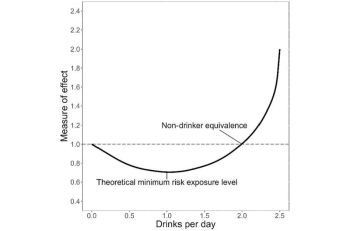
Low levels of alcohol may not be healthy after all, according to new analytical approaches
Low to moderate drinking may not be protective against certain health conditions, and "safe" alcohol use guidelines may be substantially off base.

High-Dose Omega-3 EPA shows promise for preventing Migraine - Clinical trial
High-dose eicosapentaenoic acid (EPA) monotherapy for 12 weeks showed superior efficacy, safety, and tolerability in patients with episodic migraine (EM), emphasizing its potential as a promising prophylactic option for managing this condition
Sugar cravings could be caused by loneliness, study finds
If you've spent a lonely night at home eating chocolates and/or ice cream, you shouldn't feel guilty. That's because loneliness can cause an intense desire for sugary foods, a new study found.

Junk Food Diet in Teens Linked to Long-term Memory Issues
Early life Western diet (WD) disrupts memory despite healthy diet intervention.

Our research suggests eating an unhealthy breakfast could have a similar effect on your child’s school day as having nothing at all
Students who ate a healthy breakfast on the morning of the study demonstrated higher levels of motivation and achievement.

Choosing sugary drinks over fruit juice for toddlers linked to risk of adult obesity
"Obesity is a serious health concern, one that increases the risk of many other conditions. Our study shows that the dietary causes of adult obesity begin in early childhood and that if we are to control it, more attention needs to be given to our diet in the first years of life."
New study says obese and overweight children at risk of iron deficiency
Iron deficiency in children has a negative effect on brain function, including attention, concentration and memory, and can increase the risk of conditions, such as autism and ADHD.

Autism and ADHD are linked to disturbed gut flora very early in life
We can see in the study that there are clear differences in the intestinal flora already during the first year of life between those who develop autism or ADHD and those who don't. We've found associations with some factors that affect gut bacteria, such as antibiotic treatment during the child's first year, which is linked to an increased risk of these diseases..."

How food preferences are linked to cognition and brain health – and why a balanced diet is superior
We found that people who ate a more balanced diet had better fluid intelligence (the ability to solve new problems), processing speed, memory and executive functions (a set of mental skills that include flexible thinking and self-control) than the other diets.
- <
- 1
- 2
- 3
- 4
- 5
- 6
- 7
- 8
- 9
- 10
- 11
- 12
- 13
- 14
- 15
- 16
- 17
- 18
- 19
- 20
- 21
- 22
- 23
- 24
- 25
- 26
- 27
- 28
- 29
- 30
- 31
- 32
- 33
- 34
- 35
- 36
- 37
- 38
- 39
- 40
- 41
- 42
- 43
- 44
- 45
- 46
- 47
- 48
- 49
- 50
- 51
- 52
- 53
- 54
- 55
- 56
- 57
- 58
- 59
- 60
- 61
- 62
- 63
- 64
- 65
- 66
- 67
- 68
- 69
- 70
- 71
- 72
- 73
- 74
- 75
- 76
- 77
- 78
- 79
- 80
- 81
- 82
- 83
- 84
- 85
- 86
- 87
- 88
- 89
- 90
- 91
- 92
- 93
- 94
- 95
- 96
- 97
- 98
- 99
- 100
- 101
- 102
- 103
- 104
- 105
- 106
- 107
- 108
- 109
- 110
- 111
- 112
- 113
- 114
- 115
- 116
- 117
- 118
- 119
- 120
- 121
- 122
- 123
- 124
- 125
- 126
- 127
- 128
- 129
- 130
- 131
- 132
- 133
- 134
- 135
- 136
- 137
- 138
- 139
- 140
- 141
- 142
- 143
- 144
- 145
- 146
- 147
- 148
- 149
- 150
- 151
- 152
- 153
- 154
- 155
- 156
- 157
- 158
- 159
- 160
- 161
- >

Food and Behaviour Research is a registered charity (No SC034604) and a company limited by guarantee (Co No SC 253448)
Newsletter Signup
Useful Links
Contact Us
FAB Research
23 Carlton Road
Oxford
OX2 7SA
Important Notice
Medical opinion and guidance should always be sought for any symptoms that might possibly reflect a known or suspected disease, disorder or medical condition. Information provided on this website (or by FAB Research via any other means) does not in any way constitute advice on the treatment of any medical condition formally diagnosed or otherwise.
Site by Redstone Websites. Easy to Use Web Content Management. 2026 © All Rights Reserved.