News
Latest News List
22 March 2009 - The Observer - Running on empty carbs
They finish their cereal. They snack on nuts and fruit juice. They avoid burgers and fizzy drinks. So, how could they possibly get fat? Andrew Purvis on a generation of empty-carb kids and the middle-class myth of healthy eating.

12 November 2008 - BBC News - Ministers agree food colour ban
Ministers have agreed that six artificial food colourings should be phased out after research found a link with hyperactivity in children.
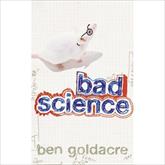
11 November 2008 - New Book - Bad Science by Ben Goldacre
Visit our Bookstore and buy this book from Amazon
16 September 2008 - BBC News - Can Nutrients Improve Behaviour?
One thousand young offenders from three prisons in England and Scotland are being recruited for a major trial to see if nutritional supplements can improve behaviour.
Scotland's Poor Health 'caused by a lack of sunshine'
A national campaign to persuade every Scot to take daily supplements of vitamin D is needed if the country's appalling health record is to be reversed, leading scientists believe.
25 February 2008 - The Food Magazine - Give artificial colours the red card
Research has confirmed a link between certain food additives and hyperactivity. Anna Glayzer investigates the use of these in children's medicines.
29 January 2008 - BBC News - Fish oil: A cure for young offenders?
A major trial is to be launched to see whether giving young offenders nutritional supplements reduces anti-social behaviour in prison. Its authors believe this could prove a seminal piece of research with major implications for the criminal justice system.
12 November 2007 - BBC News - Drugs for ADHD 'not the answer'
Treating children who have Attention Deficit Hyperactivity Disorder (ADHD) with drugs is not effective in the long-term, research has shown.
6 November 2007 - BBC News - Gene 'links breastfeeding to IQ'
The advantages of breastfeeding for IQ depend on genetic differences in children's ability to metabolise dietary omega-3 and omega-6 fatty acids.

19 September 2007 - Omega-3 Centre - Australian kids in dire need of more Omega-3s
A NEW report released today has found Australian children should be consuming more fish and other foods rich in long chain omega-3s to increase their intake by as much as five times their current level.

6 September 2007 - eNews.ma - New study links food additives to hyperactivity in children
PARIS (AFP) - A cocktail of artificial colours and the commonly-used preservative sodium benzoate are linked to hyperactivity in children, according to a ground-breaking study published on Thursday by The Lancet.
- <
- 1
- 2
- 3
- 4
- 5
- 6
- 7
- 8
- 9
- 10
- 11
- 12
- 13
- 14
- 15
- 16
- 17
- 18
- 19
- 20
- 21
- 22
- 23
- 24
- 25
- 26
- 27
- 28
- 29
- 30
- 31
- 32
- 33
- 34
- 35
- 36
- 37
- 38
- 39
- 40
- 41
- 42
- 43
- 44
- 45
- 46
- 47
- 48
- 49
- 50
- 51
- 52
- 53
- 54
- 55
- 56
- 57
- 58
- 59
- 60
- 61
- 62
- 63
- 64
- 65
- 66
- 67
- 68
- 69
- 70
- 71
- 72
- 73
- 74
- 75
- 76
- 77
- 78
- 79
- 80
- 81
- 82
- 83
- 84
- 85
- 86
- 87
- 88
- 89
- 90
- 91
- 92
- 93
- 94
- 95
- 96
- 97
- 98
- 99
- 100
- 101
- 102
- 103
- 104
- 105
- 106
- 107
- 108
- 109
- 110
- 111
- 112
- 113
- 114
- 115
- 116
- 117
- 118
- 119
- 120
- 121
- 122
- 123
- 124
- 125
- 126
- 127
- 128
- 129
- 130
- 131
- 132
- 133
- 134
- 135
- 136
- 137
- 138
- 139
- 140
- 141
- 142
- 143
- 144
- 145
- 146
- 147
- 148
- 149
- 150
- 151
- 152
- 153
- 154
- 155
- 156
- 157
- 158
- 159
- 160
- 161
- >

Food and Behaviour Research is a registered charity (No SC034604) and a company limited by guarantee (Co No SC 253448)
Newsletter Signup
Useful Links
Contact Us
FAB Research
23 Carlton Road
Oxford
OX2 7SA
Important Notice
Medical opinion and guidance should always be sought for any symptoms that might possibly reflect a known or suspected disease, disorder or medical condition. Information provided on this website (or by FAB Research via any other means) does not in any way constitute advice on the treatment of any medical condition formally diagnosed or otherwise.
Site by Redstone Websites. Easy to Use Web Content Management. 2026 © All Rights Reserved.