News
Latest News List

Study links long-term consumption of reused deep-fried oil with increased neurodegeneration
A new study found higher levels of neurodegeneration in rats that consumed reused deep-fried cooking oils and their offspring compared to rats on a normal diet.

More wild fish should be eaten, not fed to salmon, scientists say
Consumers would get a better mix of nutrients if they ate more of the wild fish species that are typically used for salmon feed.
Root cause of Alzheimer's may be fat buildup in brain cells, research suggests
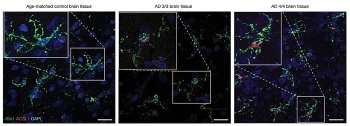
Our findings suggest a link between genetic risk factors for Alzheimer’s disease with microglial lipid droplet accumulation and neurotoxic microglia-derived factors, potentially providing therapeutic strategies for Alzheimer’s disease.

How to help your child get enough healthy, brain-boosting sleep
Insufficient or out-of-sync sleep has been connected to learning problems, attention problems and cognitive issues

Too much of a food thing: A century of change in how we eat
Think about the last meal you ate. Whether it was a reheated plate of takeout food, a cornucopia of fresh fruit or something in between, it probably would have been unfathomable to most people a century ago.

Does magnesium help with sleep?
"My number one recommendation for any health problem that anybody has is to get up and go to bed at the same time every day."

Vegan products not always safe for people with dairy allergy, watchdog says
Food Standards Agency advises consumers with dairy and fish allergies to check labels carefully.

Consistent evidence links ultra-processed food to over 30 damaging health outcomes - including mental ill-health and sleep problems
Consistent evidence links ultra-processed food to over 30 damaging health outcomes - including mental ill-health

Omega-3 fatty acids are linked to better lung health, particularly in patients with pulmonary fibrosis
Our findings suggest that increasing omega-3 fatty acids in a patient’s diet may slow the progression of pulmonary fibrosis.

New study shows a role for cholesterol in pain perception
New research shows how physical pressure on cells can reduce pain signals, while excessive cholesterol clumps in cell membranes can interfere with that process.

Food additive E551 could promote celiac disease
Chronic exposure to E551 via dietary sources could promote the development of celiac disease in people genetically predisposed to the condition.

Could ultra-processed foods be the new 'silent' killer?
"Our life expectancy is lower than other economically comparable countries. When we look at increasing rates of non-communicable diseases in less developed nations, we can see a tracking of this increase along with increasing consumption of ultra-processed foods in their diets."

ODS Update - How dietary supplements can enhance nutritional status during pregnancy
Recent Developments in Dietary Supplement Science highlights three recent publications that advance our understanding of how dietary supplements can enhance nutritional status during pregnancy.

Study provides first evidence of direct impact of serotonin on development of prefrontal cortex
Antidepressant use during pregnancy can impact a child's brain development and contribute to the risk of mental health disorders later in life.

Nutritional epigenetics education reduces ultra-processed food intake in parents of children with autism and ADHD
By the end of the education intervention, parents had changed their minds about their ability to control their child's behaviour through diet.

Are preservatives killing good gut bacteria?
“With the levels of lantibiotics currently present in food, it’s very probable that they might impact our gut health as well.â€

Analysis Shows that Omega-3 Fatty Acids Support Heart and Brain Health
The benefits of omega-3 consumption on cardiovascular outcomes and cognitive function can differ by sex and race.

Preventing Autoimmune Diseases: New Findings on Vitamin D, Omega-3 Supplements
Two years after the end of a randomized trial that showed a benefit of daily vitamin D and omega-3 fatty acid (n-3 FA) supplementation for reducing risk for autoimmune diseases, the benefits of daily vitamin D appear to have waned after the supplement was discontinued, while the protection from n-3 lived on for at least 2 additional years.

Free school meals ‘cut obesity and help reading skills’ in England, study finds
“School food is the best public health policy we have at our disposal. With it we have the opportunity to reach every child in the UK with hot, healthy, nutritious meals..."

Risk of iodine deficiency in vegan diets highlighted by data on customer shopping habits
Switching to alternative milk and removing seafood from your diet could lead to an iodine deficiency, which may have a negative impact on long-term health, a new study shows.
- <
- 1
- 2
- 3
- 4
- 5
- 6
- 7
- 8
- 9
- 10
- 11
- 12
- 13
- 14
- 15
- 16
- 17
- 18
- 19
- 20
- 21
- 22
- 23
- 24
- 25
- 26
- 27
- 28
- 29
- 30
- 31
- 32
- 33
- 34
- 35
- 36
- 37
- 38
- 39
- 40
- 41
- 42
- 43
- 44
- 45
- 46
- 47
- 48
- 49
- 50
- 51
- 52
- 53
- 54
- 55
- 56
- 57
- 58
- 59
- 60
- 61
- 62
- 63
- 64
- 65
- 66
- 67
- 68
- 69
- 70
- 71
- 72
- 73
- 74
- 75
- 76
- 77
- 78
- 79
- 80
- 81
- 82
- 83
- 84
- 85
- 86
- 87
- 88
- 89
- 90
- 91
- 92
- 93
- 94
- 95
- 96
- 97
- 98
- 99
- 100
- 101
- 102
- 103
- 104
- 105
- 106
- 107
- 108
- 109
- 110
- 111
- 112
- 113
- 114
- 115
- 116
- 117
- 118
- 119
- 120
- 121
- 122
- 123
- 124
- 125
- 126
- 127
- 128
- 129
- 130
- 131
- 132
- 133
- 134
- 135
- 136
- 137
- 138
- 139
- 140
- 141
- 142
- 143
- 144
- 145
- 146
- 147
- 148
- 149
- 150
- 151
- 152
- 153
- 154
- 155
- 156
- 157
- 158
- 159
- 160
- 161
- >

Food and Behaviour Research is a registered charity (No SC034604) and a company limited by guarantee (Co No SC 253448)
Newsletter Signup
Useful Links
Contact Us
FAB Research
23 Carlton Road
Oxford
OX2 7SA
Important Notice
Medical opinion and guidance should always be sought for any symptoms that might possibly reflect a known or suspected disease, disorder or medical condition. Information provided on this website (or by FAB Research via any other means) does not in any way constitute advice on the treatment of any medical condition formally diagnosed or otherwise.
Site by Redstone Websites. Easy to Use Web Content Management. 2026 © All Rights Reserved.