News
Latest News List

Pregnant women are missing vital nutrients, a situation that could worsen with plant-based foods
Pregnant women are not getting the essential nutrients they and their babies need from modern diets say scientists, who have warned that the situation will likely worsen as more people turn to plant-based foods.

'Fatty foods' can impair the body's response to everyday stress, research suggests
Consuming foods 'high in fat' before a mentally stressful episode can reduce brain oxygenation and cause poorer vascular function in adults.

Cutting sugar and processed meats helped people live longer, study found
Consuming less sugar-sweetened beverages and processed meats and eating more whole grains and nuts were estimated to result in the biggest improvements in life expectancy.


Scientists discover potential brain link between stress and emotional eating
"Whenever we get stressed or feel some threat, then it can also trigger our eating motivation. We think this molecule is the culprit."

The potential of polyunsaturated fatty acids in alleviating depression and reducing suicide risk
Animal-based studies have demonstrated the neurological benefits of LC-PUFA supplementation, which suppress microglial activation and subsequent neuroinflammation and ROS production and elicit effects on lipid raft regulation of monoaminergic receptors and transporters.

Hard-hitting campaigns can help prevent drinking during pregnancy, new research shows
New research is putting alcohol use during pregnancy in the spotlight, prompting calls from public health experts for ongoing investment in hard-hitting campaigns to support alcohol-free pregnancies.

Taste depends on nature and nurture. Here are 7 ways you can learn to enjoy foods you don't like
Many factors influence food preferences, including age, genetics and environment. We each live in our own sensory world and no two people will have the same experience while eating.
Vitamin supplements and new technology can help prevent secondary stroke, researchers claim
A team of researchers argue that vitamin supplements can help prevent secondary strokes. They also advocate for the value of new technologies in eye research to verify these findings.

Follow-up study finds supplementing preterm infants with DHA has no effect on behavioural development
The study highlights the distinctness of behavioural and cognitive domains, suggesting that while DHA may affect cognition, it might not be able to influence behaviour.

You Are When You Eat
Intermittent fasting regulates biological time and improves disrupted sleep in an Alzheimer’s disease model.

Study finds vitamin B12 is a key player in cellular reprogramming and tissue regeneration
"Our research uncovers a critical role of vitamin B12 in cellular reprogramming and tissue repair. These findings hold promise for regenerative medicine, with the potential to benefit patients through an improved nutrition..."

Hunger hormones impact decision-making brain area to drive behaviour, study finds
"We found that a part of the brain that is crucial for decision-making is surprisingly sensitive to the levels of hunger hormones produced in our gut, which we believe is helping our brains to contextualise our eating choices."

Clinical trial data suggests prenatal vitamin D reduces a child's risk of asthma
"Based on our findings, we would recommend that all pregnant women consider a daily intake of at least 4400 IU vitamin D3 throughout their pregnancy, starting at the time of conception."

Young children drinking daily caffeinated soda found more likely to try alcohol within a year
These findings suggest that previous linkages between caffeine and substance use in adolescence also extend to younger initiation, and may stem from core neurocognitive features thought conducive to substance initiation.
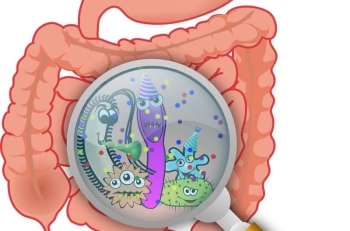
Can Gut Microbes Cause Aggression?
Problems in the gut can affect our mood and behavior, including aggression.

Insulin resistance turns tidy brain cells into slobs — which could be a link between diet and neurodegenerative diseases
These findings show how eating processed food doesn’t just affect weight gain, it affects cognitive function, and a deep functioning of your body.

Balancing omega-3 and omega-6 impacts cognitive function
Our findings suggest a role for PUFA imbalance in attentional functioning and executive performance.

Omega-3 may be an “effective add-on therapeutic” for depression
A new review investigating the effect of long-chain omega-3 supplementation on depressive symptoms concludes the majority of studies observe a significant effect, particularly in those with major depressive disorder.

Children with ADHD frequently use health care service before diagnosis, study finds
"The results are significant because we know that identifying ADHD earlier can lead to effective treatment, including talking treatments and medicines, which can prevent a range of serious harms to young people and future adults."
- <
- 1
- 2
- 3
- 4
- 5
- 6
- 7
- 8
- 9
- 10
- 11
- 12
- 13
- 14
- 15
- 16
- 17
- 18
- 19
- 20
- 21
- 22
- 23
- 24
- 25
- 26
- 27
- 28
- 29
- 30
- 31
- 32
- 33
- 34
- 35
- 36
- 37
- 38
- 39
- 40
- 41
- 42
- 43
- 44
- 45
- 46
- 47
- 48
- 49
- 50
- 51
- 52
- 53
- 54
- 55
- 56
- 57
- 58
- 59
- 60
- 61
- 62
- 63
- 64
- 65
- 66
- 67
- 68
- 69
- 70
- 71
- 72
- 73
- 74
- 75
- 76
- 77
- 78
- 79
- 80
- 81
- 82
- 83
- 84
- 85
- 86
- 87
- 88
- 89
- 90
- 91
- 92
- 93
- 94
- 95
- 96
- 97
- 98
- 99
- 100
- 101
- 102
- 103
- 104
- 105
- 106
- 107
- 108
- 109
- 110
- 111
- 112
- 113
- 114
- 115
- 116
- 117
- 118
- 119
- 120
- 121
- 122
- 123
- 124
- 125
- 126
- 127
- 128
- 129
- 130
- 131
- 132
- 133
- 134
- 135
- 136
- 137
- 138
- 139
- 140
- 141
- 142
- 143
- 144
- 145
- 146
- 147
- 148
- 149
- 150
- 151
- 152
- 153
- 154
- 155
- 156
- 157
- 158
- 159
- 160
- 161
- >

Food and Behaviour Research is a registered charity (No SC034604) and a company limited by guarantee (Co No SC 253448)
Newsletter Signup
Useful Links
Contact Us
FAB Research
23 Carlton Road
Oxford
OX2 7SA
Important Notice
Medical opinion and guidance should always be sought for any symptoms that might possibly reflect a known or suspected disease, disorder or medical condition. Information provided on this website (or by FAB Research via any other means) does not in any way constitute advice on the treatment of any medical condition formally diagnosed or otherwise.
Site by Redstone Websites. Easy to Use Web Content Management. 2026 © All Rights Reserved.