News
Latest News List

Sugary drinks linked to anxiety in young people
An association between consumption of drinks containing a high amount of sugar and anxiety symptoms in adolescents has been identified in a new study.

Gut microbiome may be the link to gluten sensitivity without celiac disease
The gut microbiome may play an important role in how the immune system responds to gluten, even in people who do not have celiac disease.

Healthy dietary change could support adolescent mental health
Dietary patterns may play a role in adolescent mental health, a study suggests.

Arachidonic + docosahexaenoic acid cuts risk for severe retinopathy of prematurity by nearly half
Arachidonic acid (AA) and docosahexaenoic acid (DHA) decrease the risk for severe retinopathy of prematurity (ROP) in extremely preterm infants by nearly half, according to a research letter published online in JAMA Ophthalmology.
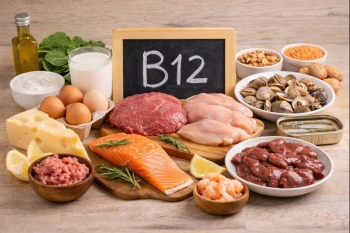
Vitamin B12 clues on cellular metabolism offer hope for new therapies
Vitamin B12 is long understood as a vital nutrient required for red blood cell formation and nerve function, but a new Cornell study suggests its role in human biology is far more intricate, with implications for aging, metabolism and disease prevention.

Why strict diets are a bad idea for long-term weight loss
While we might think short-term, restrictive diets will help give our waistlines a nudge, psychology and physiology shows us why this strategy can be so hard to stick to – and why it probably won’t result in long-term weight loss.
Weight loss drugs make it harder to get the nutrients you need – here’s what to do about it
When food intake drops, the body still needs essential vitamins, minerals and protein to keep cells, muscles and organs functioning properly. If those nutrients are not packed into a smaller amount of food, deficiencies can develop.

How binge drinking triggers gut damage and inflammation so quickly
Investigators have identified how binge drinking damages the gut, and why those leaks in the system may set off harmful inflammation long after the last drink is poured.
Fish Oil Flopped for Kids With Major Depressive Disorder
Adjunctive omega-3 therapy failed to improve moderate-to-severe depression more than placebo


Gut bacteria may play role in bipolar depression by directly influencing brain connectivity
Recent studies suggest that the bacteria and microorganisms living in the digestive system, also known as gut microbiota, play a key role in mental health and might also contribute to some symptoms of bipolar disorder (BD).

Can eating high fat cheese and cream reduce dementia risk, as a new study suggests?
A lower risk of dementia among middle-aged and older adults who consumed higher amounts of full-fat cheese and cream reported in large Swedish study. The findings may sound like welcome news but they need careful interpretation.

Sugar-free sweeteners may still be harming your liver
Sorbitol, a popular sugar-free sweetener, may not be as harmless as its label suggests. Researchers found it can be turned into fructose in the liver, triggering effects similar to regular sugar. Gut bacteria can neutralize some of it—but too much sorbitol or glucose can overwhelm that defense. The result: yet another “healthy†sweetener that may stress the liver.

Aspartame sweetener cuts fat, but may harm heart and brain—even at low doses
The prolonged intake of sweeteners may exert harmful effects on the function of various organs, new mice study finds.

How you eat may be connected to how you sleep
An estimated 50 to 70 million Americans are diagnosed with a sleep disorder (such as sleep apnea and insomnia) that prevents optimal sleep outcomes, and what we eat may play a role.

How much omega-3 do you need daily? New global review reveals DHA and EPA requirements
A new global review uncovers major gaps and inconsistencies in omega-3 guidance, showing why many populations still fail to meet recommended EPA and DHA targets for lifelong health.

The high price of cheap food
Professor Tim Jackson asks who’s counting the cost of our national diet.

Early childhood patterns of picky eating can ripple through development for some
Children whose avoidant or restrictive eating persisted from age 3 to 8 years showed more developmental problems and higher rates of conditions such as autism, ADHD, and epilepsy.

Why the Future of Food Must Include Seafood
When people talk about “the future of food,†they usually imagine alternative proteins, plant-based diets, and lab-grown meat. These conversations dominate global food security summits, climate convenings, and investments. But here’s what’s missing: seafood.

Metabolic roots of memory loss: Early obesity and low choline levels linked to brain inflammation risk
For decades, scientists have known that what harms the body often harms the brain. Conditions such as obesity, high blood pressure and insulin resistance strain the body's vascular and metabolic systems. Over time, that stress can speed up cognitive decline and increase the risk of Alzheimer's disease.
- <
- 1
- 2
- 3
- 4
- 5
- 6
- 7
- 8
- 9
- 10
- 11
- 12
- 13
- 14
- 15
- 16
- 17
- 18
- 19
- 20
- 21
- 22
- 23
- 24
- 25
- 26
- 27
- 28
- 29
- 30
- 31
- 32
- 33
- 34
- 35
- 36
- 37
- 38
- 39
- 40
- 41
- 42
- 43
- 44
- 45
- 46
- 47
- 48
- 49
- 50
- 51
- 52
- 53
- 54
- 55
- 56
- 57
- 58
- 59
- 60
- 61
- 62
- 63
- 64
- 65
- 66
- 67
- 68
- 69
- 70
- 71
- 72
- 73
- 74
- 75
- 76
- 77
- 78
- 79
- 80
- 81
- 82
- 83
- 84
- 85
- 86
- 87
- 88
- 89
- 90
- 91
- 92
- 93
- 94
- 95
- 96
- 97
- 98
- 99
- 100
- 101
- 102
- 103
- 104
- 105
- 106
- 107
- 108
- 109
- 110
- 111
- 112
- 113
- 114
- 115
- 116
- 117
- 118
- 119
- 120
- 121
- 122
- 123
- 124
- 125
- 126
- 127
- 128
- 129
- 130
- 131
- 132
- 133
- 134
- 135
- 136
- 137
- 138
- 139
- 140
- 141
- 142
- 143
- 144
- 145
- 146
- 147
- 148
- 149
- 150
- 151
- 152
- 153
- 154
- 155
- 156
- 157
- 158
- 159
- 160
- 161
- >

Food and Behaviour Research is a registered charity (No SC034604) and a company limited by guarantee (Co No SC 253448)
Newsletter Signup
Useful Links
Contact Us
FAB Research
23 Carlton Road
Oxford
OX2 7SA
Important Notice
Medical opinion and guidance should always be sought for any symptoms that might possibly reflect a known or suspected disease, disorder or medical condition. Information provided on this website (or by FAB Research via any other means) does not in any way constitute advice on the treatment of any medical condition formally diagnosed or otherwise.
Site by Redstone Websites. Easy to Use Web Content Management. 2026 © All Rights Reserved.