News
Latest News List

New study links leafy greens, berries, and fish to better cognitive health
Eating a diet rich in vegetables, berries, fish, and whole grains may help slow memory loss and protect the brain, according to a new study published in Scientific Reports. Researchers found that both the Mediterranean and MIND diets were linked to better cognitive health, with the MIND diet showing a slight edge.

New study finds links between dietary mineral intake and mental health risk
A large-scale study has identified associations between the dietary intake of certain minerals and the likelihood of developing common mental health conditions.

Targeting brain immune cells could restore Alzheimer's-related lipid imbalance, research shows
Changes in brain fats, or lipids, play a major role in Alzheimer's development and progression. Lipid imbalances can influence how amyloid proteins build up, and certain genes that regulate lipid metabolism are linked to Alzheimer's risk - new research shows

Taking prenatal supplements associated with 30% lower risk of autism
Prenatal folic acid and multivitamin supplementation is associated with a roughly 30% lower risk of autism spectrum disorder (ASD) in children, based on an umbrella review of existing systematic reviews and meta-analyses. Researchers report that the evidence is strong enough to support incorporating folic acid and multivitamin supplementation into routines beginning before conception and continuing through early pregnancy.

Beef vs. plant-based meat: Study finds diet alters breast milk composition in under a week
Swapping beef for a plant-based meat substitute changed breast milk composition in just six days—even when the rest of the diet was made up of whole, unprocessed foods—according to a first-of-its-kind study from researchers at The University of Texas at Austin.

Ultra-processed food consumption driven by commercial interests, not individual weakness. Here's how to fix it
Ultra-processed foods are displacing traditional foods and meals globally, degrading diet quality, and contributing to the rise of diet-related chronic diseases.

The ultra-processed foods problem is driven by commercial interests, not individual weakness. Here’s how to fix it
Ultra-processed foods are displacing traditional foods and meals globally, degrading diet quality, and contributing to the rise of diet-related chronic diseases. And despite the combined advertising spend of the leading ultra-processed food companies dwarfing even the total budget of the World Health Organization, there is plenty that governments, communities and health professionals can do about it.
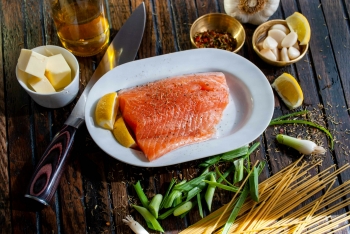
Keto diet associated with reduced depressive symptoms, anxiety results remain mixed
Ketogenic diets are associated with modest reductions in depressive symptoms in adults, while evidence for anxiety remains uncertain - researchers report.

Low-glutamate diet linked to brain changes and migraine relief in veterans with Gulf War Illness
Veterans with Gulf War Illness experienced significant improvement in migraine symptoms after following a diet low in glutamate, a component of flavor-enhancing food additives commonly found in processed foods, according to new research. Brain scans also revealed decreased cortical thickness in patients on the diet—providing evidence, for the first time, that the improvement in symptoms was linked to measurable changes in the brain.
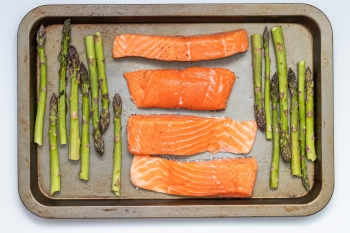
Ketogenic Diets in Neurology, Psychiatry, and Addiction Medicine
Ketogenic diets may help with epilepsy, schizophrenia, and addiction.

Omega-3 deficit linked to ADHD symptoms in Palestinian adolescents
Attention-deficit/hyperactivity disorder (ADHD) symptoms are influenced by socioeconomic factors in regions affected by conflict and resource limitations, a new study focusing on non-Western populations has found.
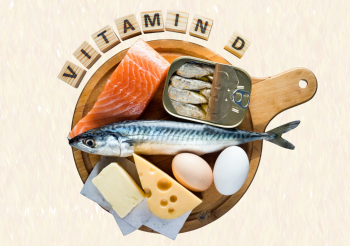
Lower vitamin D consistently linked with higher depression in adults
Lower blood levels of vitamin D are consistently linked with higher rates of depression in adults, researchers report
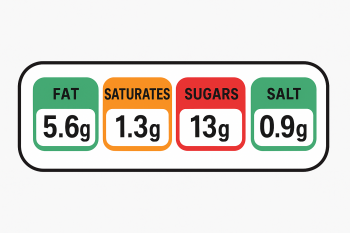
Mandatory nutrient warning labels could prevent 100,000+ obesity-related deaths
Making front-of-pack nutrition labeling mandatory could significantly reduce obesity rates and save thousands of lives across England, researchers find

Short fasts do not impair thinking ability in healthy adults, study says
Skipping breakfast or practicing intermittent fasting is unlikely to cloud most adults' thinking in the short term, according to research published in the journal Psychological Bulletin.

Astringent, sharper mind: Flavanols can trigger brain activity for memory and stress response
Astringency is a dry, puckering, rough, or sandpapery sensation in the mouth caused by plant-derived polyphenols. Polyphenols, including flavanols, are well known for risk reduction in cardiovascular diseases.

Whole-fat dairy consumption in youth associated with 24% lower artery calcification risk
A new generation of nutrition research is challenging long-held beliefs—suggesting that for dairy products, the overall effects of whole-fat varieties on heart health may be positive.

Prenatal alcohol exposure rewires the brain and fuels compulsive behaviour, new study finds
Fetal Alcohol Spectrum Disorders (FASD), a leading cause of neurodevelopmental disorders, may affect as many as 1 in 20 school-aged children in the United States. Despite its prevalence, the exact brain circuit responsible for FASD's hallmark symptom—cognitive inflexibility, or the inability to adjust thoughts and behaviors to new environments—has largely remained a mystery.
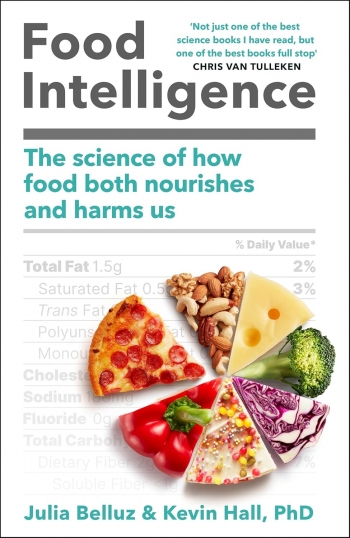
Book Review: Food Intelligence: The Science of How Food Both Nourishes and Harms
Nutrition isn't rocket science; it's harder

Bribing kids to eat vegetables might backfire. Here’s what to do instead.
It’s a tactic many parents know well: “eat two bites of broccoli, and then you can have dessertâ€. It seems like a practical solution for encouraging kids – especially picky eaters – to eat healthy foods. And in the short term, it often works. But using food as a bargaining chip can do more harm than good.
Gut microbiome affects alcohol preference by influencing brain's reward system
Researchers at Tufts University School of Medicine and Tufts Graduate School of Biomedical Sciences have found a surprising connection between a fungus associated with alcohol use disorder and the brain's dopamine reward pathway.
- <
- 1
- 2
- 3
- 4
- 5
- 6
- 7
- 8
- 9
- 10
- 11
- 12
- 13
- 14
- 15
- 16
- 17
- 18
- 19
- 20
- 21
- 22
- 23
- 24
- 25
- 26
- 27
- 28
- 29
- 30
- 31
- 32
- 33
- 34
- 35
- 36
- 37
- 38
- 39
- 40
- 41
- 42
- 43
- 44
- 45
- 46
- 47
- 48
- 49
- 50
- 51
- 52
- 53
- 54
- 55
- 56
- 57
- 58
- 59
- 60
- 61
- 62
- 63
- 64
- 65
- 66
- 67
- 68
- 69
- 70
- 71
- 72
- 73
- 74
- 75
- 76
- 77
- 78
- 79
- 80
- 81
- 82
- 83
- 84
- 85
- 86
- 87
- 88
- 89
- 90
- 91
- 92
- 93
- 94
- 95
- 96
- 97
- 98
- 99
- 100
- 101
- 102
- 103
- 104
- 105
- 106
- 107
- 108
- 109
- 110
- 111
- 112
- 113
- 114
- 115
- 116
- 117
- 118
- 119
- 120
- 121
- 122
- 123
- 124
- 125
- 126
- 127
- 128
- 129
- 130
- 131
- 132
- 133
- 134
- 135
- 136
- 137
- 138
- 139
- 140
- 141
- 142
- 143
- 144
- 145
- 146
- 147
- 148
- 149
- 150
- 151
- 152
- 153
- 154
- 155
- 156
- 157
- 158
- 159
- 160
- 161
- >

Food and Behaviour Research is a registered charity (No SC034604) and a company limited by guarantee (Co No SC 253448)
Newsletter Signup
Useful Links
Contact Us
FAB Research
23 Carlton Road
Oxford
OX2 7SA
Important Notice
Medical opinion and guidance should always be sought for any symptoms that might possibly reflect a known or suspected disease, disorder or medical condition. Information provided on this website (or by FAB Research via any other means) does not in any way constitute advice on the treatment of any medical condition formally diagnosed or otherwise.
Site by Redstone Websites. Easy to Use Web Content Management. 2026 © All Rights Reserved.