News
Latest News List

Omega-3s show cognitive decline benefit in review
A new review of research covering more than 25,000 subjects concludes that omega-3s offer small but important benefits for older adults facing possible cognitive decline.

Schizophrenia is linked to iron and myelin deficits in the brain, neuroimaging study finds
Schizophrenia is a severe and debilitating psychiatric disorder characterized by hallucinations, disorganized speech and thought patterns, false beliefs about the world or oneself, difficulties concentrating and other symptoms impacting people's daily functioning. While schizophrenia has been the topic of numerous research studies, its biological and neural underpinnings have not yet been fully elucidated.

Brain health could be improved with high-fat, low-carb diet, study finds (in mice...)
There may be a way to protect brain energy to preserve cognition—and the secret could lie on your plate. Think fish and seafood, meat, non-starchy vegetables, berries, nuts, seeds, eggs and even high-fat dairy products.

Rethinking Omega-3s for Health and Sustainability
Where will future omega-3s come from? Exciting innovations and what needs to change...

Alcohol: Bad for Heart, Brain, and Cognition?
It seems we’ve been misled about alcohol and health, says Dr JoAnn Manson of Harvard Medical School, discussing a new report on alcohol and dementia.

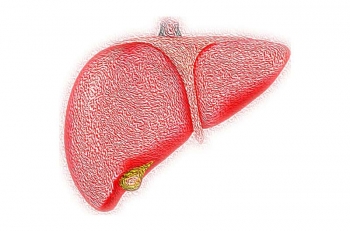
Artificially sweetened and sugary drinks are both associated with an increased risk of liver disease, study finds
A new study reveals that both sugar-sweetened beverages (SSBs) and low- or non-sugar-sweetened beverages (LNSSBs) are significantly associated with a higher risk of developing metabolic dysfunction-associated steatotic liver disease (MASLD).
Study finds dietary changes quickly alter brain markers linked to memory and inflammation
A new study from researchers at The University of Texas at Austin reveals that following a low-calorie or low-carbohydrate diet can measurably lower levels of brain chemicals that, when too high, are linked to inflammation and memory problems.

California legislature passes bill banning ultra-processed foods from schools—and defining them
The bill defines ultra-processed foods and summarizes existing California laws related to school food.

Polyunsaturated fatty acid therapy reverses age-related vision decline in mice
Changes in vision are often a common sign of aging. But what if we could reverse age-related visual decline? In a new study, UC Irvine researchers explore a possible therapy for addressing "aging" in the eye and for preventing diseases such as age-related macular degeneration (AMD).

Sugary drinks linked to depression via the gut microbiome—especially in women
New study provides strong evidence that sugary drinks affect not only metabolic health, but also mental health—especially in women. This effect is probably mediated by the sensitive microbiome of the intestine.

Ultra-processed foods linked to heightened disease activity in early multiple sclerosis
Higher intake of ultra-processed foods (UPFs) may exacerbate disease activity in early multiple sclerosis (MS), according to new research presented at the 41st Congress of the European Committee for Treatment and Research in Multiple Sclerosis (ECTRIMS 2025).

Paracetamol, pregnancy and autism: what the science really shows
US president Donald Trump has claimed that paracetamol (acetaminophen or Tylenol) use in pregnancy is linked to autism in children, urging pregnant women to avoid the painkiller. This announcement has sparked alarm, confusion and a flurry of responses from health experts worldwide. Trump’s comments come in a long line of unsubstantiated claims about the causes of autism, with paracetamol now the latest target.

Leucovorin (Folinic Acid) and Autism: New Hope for Improving Speech in Children
Autism Spectrum Disorder (ASD) often comes with profound challenges in speech and communication. Families with autistic children know the heartbreak of delayed language – the frustration of not hearing their child express needs or say simple words. At Philadelphia Integrative Psychiatry, Dr. Danish and our Philly Autism Treatment team recognizes these challenges and are dedicated to finding innovative treatments to help children with ASD reach their potential.
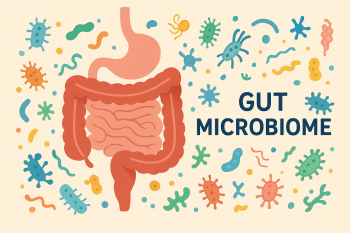
Gut bacteria are linked to how our genes switch on and off
The trillions of microbes that live in the human gut may play a bigger role in health than previously thought, according to new research. This article explores how gut bacteria interacts with human genes in ways that could shape disease risk, aging and even future medical treatments.

Graham MacGregor obituary
Medical researcher and health advocate who challenged the food industry to use less salt and sugar
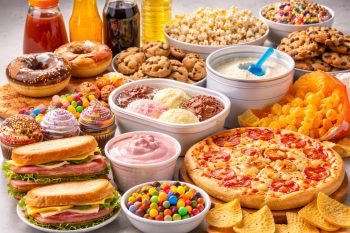
Consumption of food additives during pregnancy can alter offspring gut microbiota and increase inflammatory disease risk
Maternal consumption of dietary emulsifiers can have a negative impact on the gut microbiota of their offspring, Mice study reveals.
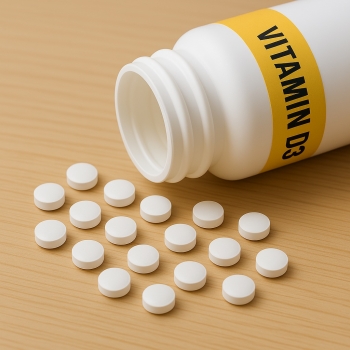
Vitamin D3 concentrations are lowered by a common vitamin D supplement
Taking vitamin D2 might lower the body's levels of the more efficient form of vitamin D, vitamin D3, according to new research from the University of Surrey, John Innes Center and Quadram Institute Bioscience. Many people take vitamin D supplements to support their bone and immune health and meet the UK government recommendation of 10 micrograms (µg) each day, especially during the winter months.

Serious mental illness often brings rapid weight gain – but support is missing
Being diagnosed with a serious mental illness like schizophrenia or bipolar disorder often brings an overlooked challenge: rapid and sustained weight gain. This side-effect can raise the risk of diabetes, heart disease and early death – widening an already stark life expectancy gap.

Adopting healthy habits can improve cognitive decline, study shows
An estimated 7.2 million Americans over age 65 currently live with Alzheimer's disease (AD). That number is expected to nearly double to 13.8 million by 2060. These increases reflect more than demographic shifts; they point to a growing public health crisis that requires a new, proactive approach. While chronological age is the strongest known risk factor for cognitive decline, losing cognitive function is not an inevitable part of aging.

Mom's pregnancy diet may disrupt children's gut health
A high-sugar, high-fat diet during pregnancy may do more than affect a mom's health—it can also trigger inflammation and gut dysfunction in their children, new research suggests.
- <
- 1
- 2
- 3
- 4
- 5
- 6
- 7
- 8
- 9
- 10
- 11
- 12
- 13
- 14
- 15
- 16
- 17
- 18
- 19
- 20
- 21
- 22
- 23
- 24
- 25
- 26
- 27
- 28
- 29
- 30
- 31
- 32
- 33
- 34
- 35
- 36
- 37
- 38
- 39
- 40
- 41
- 42
- 43
- 44
- 45
- 46
- 47
- 48
- 49
- 50
- 51
- 52
- 53
- 54
- 55
- 56
- 57
- 58
- 59
- 60
- 61
- 62
- 63
- 64
- 65
- 66
- 67
- 68
- 69
- 70
- 71
- 72
- 73
- 74
- 75
- 76
- 77
- 78
- 79
- 80
- 81
- 82
- 83
- 84
- 85
- 86
- 87
- 88
- 89
- 90
- 91
- 92
- 93
- 94
- 95
- 96
- 97
- 98
- 99
- 100
- 101
- 102
- 103
- 104
- 105
- 106
- 107
- 108
- 109
- 110
- 111
- 112
- 113
- 114
- 115
- 116
- 117
- 118
- 119
- 120
- 121
- 122
- 123
- 124
- 125
- 126
- 127
- 128
- 129
- 130
- 131
- 132
- 133
- 134
- 135
- 136
- 137
- 138
- 139
- 140
- 141
- 142
- 143
- 144
- 145
- 146
- 147
- 148
- 149
- 150
- 151
- 152
- 153
- 154
- 155
- 156
- 157
- 158
- 159
- 160
- 161
- >

Food and Behaviour Research is a registered charity (No SC034604) and a company limited by guarantee (Co No SC 253448)
Newsletter Signup
Useful Links
Contact Us
FAB Research
23 Carlton Road
Oxford
OX2 7SA
Important Notice
Medical opinion and guidance should always be sought for any symptoms that might possibly reflect a known or suspected disease, disorder or medical condition. Information provided on this website (or by FAB Research via any other means) does not in any way constitute advice on the treatment of any medical condition formally diagnosed or otherwise.
Site by Redstone Websites. Easy to Use Web Content Management. 2026 © All Rights Reserved.