News
Latest News List

Halved risk for severe retinal disease in extremely premature infants
Risk for a severe form of retinopathy of prematurity, which can cause blindness in extremely premature babies, was halved when the newborns were given a new supplement combining various fatty acids.

Researchers demonstrate how defects in mitochondria may lead to autism spectrum disorder
Researchers at Children's Hospital of Philadelphia (CHOP) have demonstrated that autism spectrum disorder (ASD) may be caused by defects in the mitochondria of brain cells.

Obesity may exacerbate the effects of Alzheimer's disease, new study shows
New research from the University of Sheffield has found being overweight is an additional burden on brain health and it may exacerbate Alzheimer's disease.
FAB and Food for the Brain Online Webinar - Dietary Management and the Autistic Spectrum
This webinar will be available FREE of charge to FAB Associate members on 5.2.21. Join Dr Alex Richardson on a live webinar where she will present on 'The Latest Evidence and Best Practice for Dietary Approaches to Autistic Spectrum Disorders'. Thursday 28th January at 18.30-19.30 (UK time)

Consuming omega-3 fatty acids could prevent asthma
New research suggests that a higher dietary intake of long chain omega-3 fatty acids in childhood may reduce the risk of developing subsequent asthma, but only in children carrying a common gene variant.

The essential role of iodine in the diet
The public need to be more aware of the essential role of iodine in the diet, particularly pregnant women and those of child bearing age.

Research shows people with high omega-3 index less likely to die from COVID-19
Omega-3 fatty acids (DHA and EPA) have potent anti-inflammatory activities, and this pilot study provides suggestive evidence that these fatty acids may dampen COVID-19's cytokine storm.

Novel molecules to combat asthma and COVID-related lung diseases discovered
A study designed to study how the immune system impacts gut bacteria—has led to the extraordinary discovery of two molecules that can not only provide profound protection in experimental models of asthma but can also substantially reduce the severity of an attack.

Vegan diet significantly remodels metabolism in young children
This study concluded that a vegan diet has a broad effect on children's metabolism. Serum biomarker levels for vitamins A and D, cholesterol forms and essential amino acids were significantly lower in children on vegan diet compared to age-adjusted omnivores.

Psychobiotics: A Revolution in Psychiatry
The research so far has indicated that healing a leaky gut can go a long way toward improving mood. The best way to do that is to support those microbes that nourish the gut lining. That turns out to be fairly easy: increase your consumption of fibre.

Mental health conditions alarmingly high among children with autism
This is the first research since 2008 to examine the prevalence of mental health conditions among children with autism at a population level, and signals a need for healthcare systems to adapt to account for the overlap.

How sure would you want to be that you have celiac disease before starting a gluten-free diet?
Diagnosing celiac disease can be difficult. Some patients may be asymptomatic, while others have non-specific symptoms such as indigestion or bloating. It's thought only 30 percent of people with celiac disease are actually diagnosed.

New research shows the importance of consuming enough vitamin B12 in pregnancy
Children born to a mother with low intake of vitamin B12 during pregnancy were at increased risk of adverse development specific to certain speech and mathematical abilities, a new study published in Nutrition Research has shown.

Scientists reveal mechanism that causes irritable bowel syndrome
KU Leuven researchers have identified the biological mechanism that explains why some people experience abdominal pain when they eat certain foods. The finding paves the way for more efficient treatment of irritable bowel syndrome and other food intolerances.
Mothers of children with autism found to have significantly different metabolite levels
This case study suggests that the development of a blood test to screen for mothers who are at a higher risk of having a child with ASD may be possible.

High insulin levels during childhood a risk for mental health problems in adulthood, study suggests
The researchers in this study found that persistently high insulin levels from mid-childhood were linked with a higher chance of developing psychosis in adulthood.

Hydrogen sulphide could guard against Alzheimer's disease - IN MICE
Behavioral tests on mice showed that hydrogen sulphide improved cognitive and motor function by 50 per cent compared with mice that did not receive the injections of NaGYY.

Does vitamin D combat Covid?
"If you’ve got something that could potentially save tens of thousands of lives – worldwide, hundreds of thousands, if not millions – and you say there’s not quite enough evidence, but it’s indicating in a positive direction, then you do something about it, don’t you?†David Davis

Including unhealthy foods may diminish positive effects of an otherwise healthy diet
This study showed that to benefit from diets such as the Mediterranean diet, or MIND diet, we would have to limit our consumption of processed foods and other unhealthy foods such as fried foods and sweets.
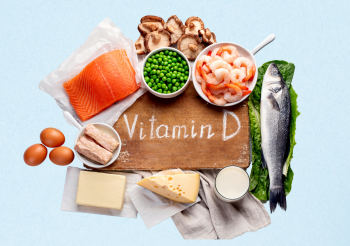
Babies of color at highest risk of Vitamin D deficiency: Study
Vitamin D deficiency isn’t colorblind, according to a new study that highlights the need for providers to pay closer attention to certain groups. A large study involving 3,000 newborns in the West Midlands of England revealed that one-third of all newborns and half of Black, Asian and Minority Ethnic (BAME) infants are vitamin D deficient.
- <
- 1
- 2
- 3
- 4
- 5
- 6
- 7
- 8
- 9
- 10
- 11
- 12
- 13
- 14
- 15
- 16
- 17
- 18
- 19
- 20
- 21
- 22
- 23
- 24
- 25
- 26
- 27
- 28
- 29
- 30
- 31
- 32
- 33
- 34
- 35
- 36
- 37
- 38
- 39
- 40
- 41
- 42
- 43
- 44
- 45
- 46
- 47
- 48
- 49
- 50
- 51
- 52
- 53
- 54
- 55
- 56
- 57
- 58
- 59
- 60
- 61
- 62
- 63
- 64
- 65
- 66
- 67
- 68
- 69
- 70
- 71
- 72
- 73
- 74
- 75
- 76
- 77
- 78
- 79
- 80
- 81
- 82
- 83
- 84
- 85
- 86
- 87
- 88
- 89
- 90
- 91
- 92
- 93
- 94
- 95
- 96
- 97
- 98
- 99
- 100
- 101
- 102
- 103
- 104
- 105
- 106
- 107
- 108
- 109
- 110
- 111
- 112
- 113
- 114
- 115
- 116
- 117
- 118
- 119
- 120
- 121
- 122
- 123
- 124
- 125
- 126
- 127
- 128
- 129
- 130
- 131
- 132
- 133
- 134
- 135
- 136
- 137
- 138
- 139
- 140
- 141
- 142
- 143
- 144
- 145
- 146
- 147
- 148
- 149
- 150
- 151
- 152
- 153
- 154
- 155
- 156
- 157
- 158
- 159
- 160
- 161
- >

Food and Behaviour Research is a registered charity (No SC034604) and a company limited by guarantee (Co No SC 253448)
Newsletter Signup
Useful Links
Contact Us
FAB Research
23 Carlton Road
Oxford
OX2 7SA
Important Notice
Medical opinion and guidance should always be sought for any symptoms that might possibly reflect a known or suspected disease, disorder or medical condition. Information provided on this website (or by FAB Research via any other means) does not in any way constitute advice on the treatment of any medical condition formally diagnosed or otherwise.
Site by Redstone Websites. Easy to Use Web Content Management. 2026 © All Rights Reserved.