News
Latest News List

Exercise and diet essential for healthy aging
Resistance training combined with a healthy diet rich in omega-3 fatty acids helps older women bring about gains in strength and mobility. That is researcher Peter Edholm's conclusion in his thesis, which also shows exercise in middle age is linked to healthy aging.

Revealing links between education and a good diet
Educational status appears to have positive influence on a healthy diet, particularly in low income countries, according to new research examining European nutritional data.

Scientists explore links between genetics, gut microbiome and memory
A new study is among the first to trace the molecular connections between genetics, the gut microbiome and memory in a mouse model bred to resemble the diversity of the human population.

Link identified between dietary selenium and outcome of COVID-19 disease
The COVID-19 cure rate in China was significantly associated with selenium status - areas with high levels of selenium were more likely to recover from the virus.

BBC - Coronavirus: Should I start taking vitamin D?
Public Health England is recommending people consider taking daily vitamin D supplements throughout the spring and summer as the coronavirus lockdown continues.

How a Healthy diet with nutritional supplements can support the body in fight against COVID-19
An international research team, including Professor Philip Calder from the University of Southampton, has published a new report advising how the public can support their immune system and give it the best chance of fighting the coronavirus.

16 April 2020 - European Scientist - Covid 19 and the elephant in the room
Obesity and chronic metabolic disease is killing COVID-19 patients: now is the time to eat real food, protect the NHS and save lives.

How does sugar drive consumption? Scientists discover gut-brain sugar sensor in mice
The discovery of a specialized gut-brain circuit offers new insight into the way the brain and body evolved to seek out sugar. By laying the foundation for new ways to modify this circuit, this research offers promising new paths to reducing sugar over-consumption.

Diet may help preserve cognitive function
Adherence to the Mediterranean diet - high in vegetables, whole grains, fish, and olive oil - correlates with higher cognitive function. Dietary factors also seem to play a role in slowing cognitive decline.

The science of how diet can change the way sugar tastes
The food animals eat can change how they perceive future food. Researchers have discovered the basic science of how sweet taste perception is fine-tuned in response to different diets. This response uses the same machinery that the brain uses to learn.

Maternal obesity may be related to risk for ADHD in children
Mothers with a body mass index (BMI) of 25 kg/m² and greater are more likely to see behavioral problems and psychiatric symptoms in their children, according to a study recently published in The Journal of Pediatrics.

Compound in fruit peels halts damage and spurs neuronal repair in multiple sclerosis - In Mice
Research suggests that a compound found in the peels of fruits such as apples and prunes, and some herbs, can reduce further damage to neurons, and also help rebuild the protective sheaths covering neurons, reversing the damage in multiple sclerosis.

Vitamin D could help fight off COVID-19
A crucial report finds that Vitamin D plays a critical role in preventing respiratory infections, reducing antibiotic use, and boosting the immune system response to infections.

6 April 2020 - MedicalXpress - Follow your gut: Newly identified digestive-brain axis controls food choice
A study reveals a novel learning process—orchestrated between the digestive system and the brain—that compels animals to seek out food that they never actually tasted. This testifies to the potency of the subconscious processes that control behaviour.
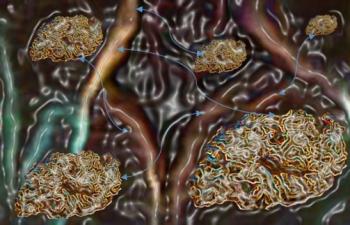
Gut communicates with the entire brain through cross-talking neurons
A new study shows how information in the small intestine, about nutrients or anything else, can get up to the brain and affect cognitive-emotional processes, and then how those processes can come back down and affect the gut. We may finally begin to understand how hunger makes us 'hangry,' or how a stressful day becomes an irritable bowel.

Alcohol consumption by fathers before conception could negatively impact child development (and choline supplementation in pregnancy reduces similar brain damage from maternal alcohol consumption)
Scientists at the University of California, Riverside, have explored the relationship between parental alcohol consumption—before conception in the case of fathers and during pregnancy in the case of mothers—and offspring development.
"Not all plant-based patterns of eating are healthy,” warns CVD study author
Plant-based diets have been widely promoted for cardiovascular disease (CVD) risk reduction, but not all kinds of plant-based diets are healthy, according to a Greece-based study
5 ways nutrition could help your immune system fight off the coronavirus
The coronavirus presents many uncertainties, and none of us can completely eliminate our risk of getting COVID-19. But one thing we can do is eat as healthily as possible.

Junk food orders up trouble for young brains
Adolescents' brains are more sensitive to the rewarding properties of junk foods; but they lack the control mechanisms to prevent themselves from eating them.

Science continues to suggest a link between autism and the gut. Here’s why that’s important.
Children with autism were four times more likely to report gastrointestinal symptoms than children without a diagnosis - research review
- <
- 1
- 2
- 3
- 4
- 5
- 6
- 7
- 8
- 9
- 10
- 11
- 12
- 13
- 14
- 15
- 16
- 17
- 18
- 19
- 20
- 21
- 22
- 23
- 24
- 25
- 26
- 27
- 28
- 29
- 30
- 31
- 32
- 33
- 34
- 35
- 36
- 37
- 38
- 39
- 40
- 41
- 42
- 43
- 44
- 45
- 46
- 47
- 48
- 49
- 50
- 51
- 52
- 53
- 54
- 55
- 56
- 57
- 58
- 59
- 60
- 61
- 62
- 63
- 64
- 65
- 66
- 67
- 68
- 69
- 70
- 71
- 72
- 73
- 74
- 75
- 76
- 77
- 78
- 79
- 80
- 81
- 82
- 83
- 84
- 85
- 86
- 87
- 88
- 89
- 90
- 91
- 92
- 93
- 94
- 95
- 96
- 97
- 98
- 99
- 100
- 101
- 102
- 103
- 104
- 105
- 106
- 107
- 108
- 109
- 110
- 111
- 112
- 113
- 114
- 115
- 116
- 117
- 118
- 119
- 120
- 121
- 122
- 123
- 124
- 125
- 126
- 127
- 128
- 129
- 130
- 131
- 132
- 133
- 134
- 135
- 136
- 137
- 138
- 139
- 140
- 141
- 142
- 143
- 144
- 145
- 146
- 147
- 148
- 149
- 150
- 151
- 152
- 153
- 154
- 155
- 156
- 157
- 158
- 159
- 160
- 161
- >

Food and Behaviour Research is a registered charity (No SC034604) and a company limited by guarantee (Co No SC 253448)
Newsletter Signup
Useful Links
Contact Us
FAB Research
23 Carlton Road
Oxford
OX2 7SA
Important Notice
Medical opinion and guidance should always be sought for any symptoms that might possibly reflect a known or suspected disease, disorder or medical condition. Information provided on this website (or by FAB Research via any other means) does not in any way constitute advice on the treatment of any medical condition formally diagnosed or otherwise.
Site by Redstone Websites. Easy to Use Web Content Management. 2026 © All Rights Reserved.