Vitamin D3 more effective than D2 - Time to change vitamin D guidelines?
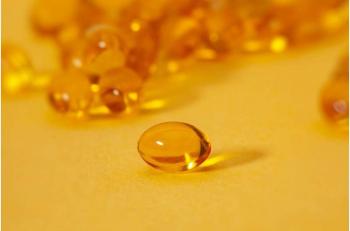
New research suggesting vitamin D3 is twice as effective as vitamin D2 should turn current guidance ‘on its head’, say those behind the study.
FAB RESEARCH COMMENT:
Supplements containing Vitamin D3 (derived from animal products) are twice as effective at raising blood levels of Vitamin D than those containing the Vitamin D2 form (derived from plant sources), according to a new rigorously designed and conducted randomised controlled clinical trial.These findings, from leading experts in the field, confirm and extend those from an earlier systematic review of different randomised controlled trials investigating the relative efficacy of Vitamin D3 and D2.
These confirmatory findings show that current dietary guidelines in the UK, US and elsewhere - which treat these two different forms of Vitamin D as equivalent - are in urgent need of revision.
Read the associated research here:
Vitamin D deficiency or insufficiency is a widepread problem that now affects the majority of the population in the UK and other developed countries during the winter months in particular - as bright sunlight on the skin is the main natural source of this powerful multifunctional hormone.
Vitamin D supplements or fortified foods are therefore required to maintain adequate Vitamin D levels, as modern, indoor lifetyles and habits (including the use of sunscreen) do not provide sufficient sunlight exposure for most people, and only a very few foods (such as oily fish) naturally contain any significant amount of Vitamin D.
These findings are particularly important for vegetarians and vegans - who rely on the Vitamin D2 form for supplements - as they show that twice the quantity of Vitamin D2 is likely to be needed than has previously been assumed.
For more information on the vital importance of Vitamin D - and the evidence linking Vitamin D deficiency to a wide range of different developmental and mental health conditions as well as co-occuring physical health problems, please see the following lists, which are regularly updated.
7th June 2017 - Nutraingredients
-------------------------------------
Current guidance on the intake of vitamin D has been turned “on its head” following new research revealing that vitamin D3 is twice as effective as vitamin D2 in raising levels of the nutrient in the body.
The findings of the study, carried out by UK researchers, has prompted a call for a change to official guidance around Vitamin D, with a number of governments currently advising that the two forms of vitamin D are equivalent and can be used to equal effect.
Lead author Dr Laura Tripkovic from the University of Surrey, said: “The importance of vitamin D in our bodies is not to be underestimated, but living in the UK it is very difficult to get sufficient levels of it from its natural source, the sun, so we know it has to be supplemented through our diet.
“However, our findings show that vitamin D3 is twice as effective as D2 in raising vitamin D levels in the body, which turns current thinking about the two types of vitamin D on its head.”
The study marked the first of its kind evaluating the benefits of vitamin D2, produced by plants, and D3, derived from animal products, in low doses of food.
The findings suggest people who aim to consume more D3 through eating fish, eggs or taking supplements will be twice as likely to raise their vitamin D levels compared to those only consuming vitamin D2 rich-foods such as mushrooms, fortified bread or D2 containing supplements.
Study details
Researchers examined the vitamin D levels of 335 South Asian and white European women over two consecutive winter periods, a time when the nutrient is known to be lacking in the body. The women were split into five groups, with each group receiving either a placebo, a juice containing vitamin D2 or D3, or a biscuit with D2 or D3.
The researchers found that vitamin D3 was twice as effective in raising levels of the vitamin in the body than its counterpart D2.
Vitamin D levels in women who received vitamin D3 via juice or a biscuit increased by 75% and 74% respectively. Meanwhile, those given D2 saw an increase of 33% and 34% over the course of the 12-week intervention.
The research also found that levels of both vitamin D2 and D3 rose as a result of both food and acidic beverages such as juice - which were found to be equally as effective.
Those who received the placebo experienced a 25% reduction in the vitamin over the same period.
Findings contradict current guidance
The findings contradict current guidance given by government bodies, say the team. For example, the US National Institute of Health says the two forms of vitamin D are equivalent and can be used to equal effect. Meanwhile,
Furthermore, recent figures from Public Health England revealed that more than one in five people in the UK have low levels of vitamin D and has increased intake of the vitamins to 10 micrograms a day for everyone aged four and older.
As well as having an impact on public health policy, the findings could have implications for the retail sector.
In recent years, retailers have added vitamin D2 to their products in the belief that it will help a person fulfil their daily intake.
“This is a very exciting discovery which will revolutionise how the health and retail sector views vitamin D," said Professor Susan Lanham-New, head of the Department of Nutritional Sciences at the University of Surrey.
“Vitamin D deficiency is a serious matter, but this will help people make a more informed choice about what they can eat or drink to raise their levels through their diet.”

Food and Behaviour Research is a registered charity (No SC034604) and a company limited by guarantee (Co No SC 253448)
Newsletter Signup
Useful Links
Contact Us
FAB Research
23 Carlton Road
Oxford
OX2 7SA
Important Notice
Medical opinion and guidance should always be sought for any symptoms that might possibly reflect a known or suspected disease, disorder or medical condition. Information provided on this website (or by FAB Research via any other means) does not in any way constitute advice on the treatment of any medical condition formally diagnosed or otherwise.
Site by Redstone Websites. Easy to Use Web Content Management. 2026 © All Rights Reserved.