Risks of Strict Vegetarian Diets During Pregnancy - Systematic Review
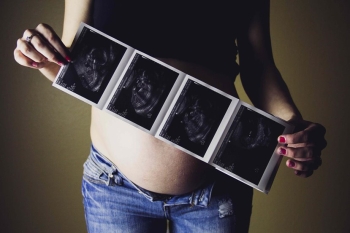
A systematic review and meta-analysis - involving eight studies and more than 72,000 participants from different developed countries - found strict vegetarian diets during pregnancy linked with higher risks for some pregnancy outcomes than omnivorous diets
FAB RESEARCH COMMENT:
Prenatal nutrition has lifelong effects on both the mental and physical health of the unborn child, as well as playing a key role in the health and wellbeing of the mother.
However, the UK and many other developed countries, maternal diets before and during pregnancy are often of poor nutritional quality, and fail to provide optimal intakes of many nutrients essential for healthy development of the brain, as well as the body.
This is particularly true of strict vegetarian (i.e. vegan) diets, because animal-derived foods are the richest - and in some cases the only - natural food sources of some key brain nutrients, most notably Vitamin B12, omega-3 DHA, iodine and choline. This means that appropriate supplements and/or fortified foods, specialist knowledge and careful planning are needed to avoid essential nutrient deficiencies.
This new systematic review found that strict vegetarian diets during pregnancy were associated with higher rates of some adverse pregnancy outcomes indicative of sub-optimal nutrition
For details of this research (which is open-access) please see:
To find out more, see
with leading experts in nutrition and brain health: Professor Michael Crawford, Professor John Stein, Dr Joseph Hibbeln and Dr Alex Richardson.
This webinar - and the accompanying package of FAB Handouts - explains why the current 'mental health crisis' - together with the related pressures facing health, social services and education in the UK, US and many other countries - simply cannot be solved without changes in public health policy and practice to improve the nutrition of mothers-to-be and young infants.
Pregnancy and early life offer a unique window of opportunity for supporting and protecting the health and wellbeing of both mother and child, not only in a physical sense (e.g. helping to prevent low birth weight & prematurity), but also their mental health and development.
Good nutrition during this critical period is key - and yet many mothers-to be lack reliable information and support to help them achieve this.
See also:
For more information on this subject, and to stay updated, please see and bookmarke the following article lists, which are frequently updated
-------------------
A systematic review and meta-analysis - involving eight studies and more than 72,000 participants from different developed countries - found strict vegetarian diets during pregnancy linked with higher risks for some pregnancy outcomes than omnivorous diets.
Recent years have seen a marked rise across many developed countries in the popularity of vegan diets - i.e. strict vegetarian diets that exclude all animal-derived foods - particularly among adolescents and young adults.
Depending on the foods that ARE consumed, the nutritional quality of vegan diets can vary hugely between individuals - just as it can between omnivores. However, adequate supplies of some nutrients essential to human health are difficult (and in some cases impossible) to obtain from a strict vegan diet without the use of supplements or fortified foods, so meeting nutritional needs requires sufficient knowledge and resources.
Any essential nutrient deficiencies can have particularly serious consequences during pregnancy, but findings to date on the risks vs possible benefits remain limited and mixed.
The primary aim of this review was therefore to summarise the latest available data on basic key pregnancy outcomes, to better inform dietary guidelines and clinical recommendations so that these might optimise support for individuals following strictly plant-based diets.
MAIN FINDINGS
Compared with omnivorous diets, strict vegetarian diets during pregnancy were associated with significantly higher risks overall for two 'adverse' outcomes:
- Babies born 'Small-for-Gestational-Age' (SGA) The pooled odds ratio (OR) was 2.7, although the wide 95% confidence interval (1.24 to 5.95) reflected considerable variability between studies.
-
Lower Birth Weight. Reported birth weights were up to 240g less in some studies for mothers following strict vegetarian vs omnivorous diets.
No significant differences between dietary groups were found for Gestational Diabetes Mellitus (GDM) or Pre-Eclampsia, nor for Pre-Term Birth, although for the latter, variability between studies was high.
The researchers call for further research to confirm and extend these finding - and to include more diverse populations - in order to promote healthier pregnancy outcomes for those adhering to strict vegetarian diets.
Meanwhile, they also emphasised that the current findings highlight a clear need for
- specific dietary guidelines for vegan diets, to help ensure adequate intakes of critical nutrients that are often lacking from such diets (such as vitamin B12, iron, long-chain omega-3 fatty acids, and iodine, among others) to safeguard maternal and neonatal health, and
- dietary counselling on how supplements and fortified foods can provide these using plant-based sources.
Food and Behaviour Research is a registered charity (No SC034604) and a company limited by guarantee (Co No SC 253448)
Newsletter Signup
Useful Links
Contact Us
FAB Research
23 Carlton Road
Oxford
OX2 7SA
Important Notice
Medical opinion and guidance should always be sought for any symptoms that might possibly reflect a known or suspected disease, disorder or medical condition. Information provided on this website (or by FAB Research via any other means) does not in any way constitute advice on the treatment of any medical condition formally diagnosed or otherwise.
Site by Redstone Websites. Easy to Use Web Content Management. 2026 © All Rights Reserved.