Lower vitamin D consistently linked with higher depression in adults
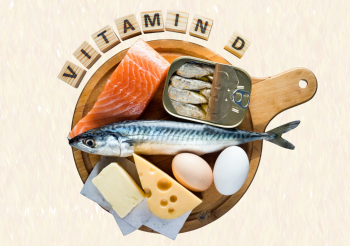
Lower blood levels of vitamin D are consistently linked with higher rates of depression in adults, researchers report
Web URL: Read this article on MedicalXpress
FAB RESEARCH COMMENT:
As the article makes clear, although this review confirms an association between low blood levels of Vitamin D and depression, these kinds of studies can't provide clear evidence for cause and effect.
However, systematic reviews of randomised, double-blind, placebo-controlled trials - which do address causality - have already shown that supplementation with Vitamin D can reduce depressive symptoms - although dosages of around 1600IU appear to be needed for this. See:
While that dose is 4 times greater than the minimal amount that the UK govt currently recommends people might 'consider' during winter months, it is perfectly in keeping with a recent review of RCT evidence, which concluded that 2000 IU/day of Vitamin D would be a safe and appropriate intake for adults:
For details of this latest study, reviewing the association evidence only, see:
You may also be interested in other recent news articles on this topic:
For more information on this topic, please see the following lists of articles, which are frequently updated:
In addition to depression, Vitamin D deficiency or insufficiency is also linked with most other neurodevelopmental and mental health conditions. For more information, please see the following article lists
(NB further lists on specific conditions can be found from FAB comments on many articles there)
07/11/2025 - Medical Xpress
---------------------------
Lower vitamin D consistently linked with higher depression in adults
Researchers report in a study, published in Biomolecules and Biomedicine, that lower blood levels of vitamin D are consistently linked with higher rates of depression in adults—especially when 25-hydroxy-vitamin D [25(OH)D] falls at or below 30 nmol/L.
The authors emphasize that this does not prove cause: in prospective (forward-looking) cohorts, results were mixed, underscoring the need for tighter causal tests.
The team synthesized 66 observational studies drawn from 31 countries, after screening 8,052 records across PubMed/MEDLINE, Scopus, and Web of Science through April 30, 2023. Because vitamin D assays and depression measures varied widely, they conducted a narrative synthesis rather than a meta-analysis and rated study quality using the MMAT and MINORS tools.
Depression affects about 5% of adults worldwide and is projected to become the leading cause of disease burden by 2030. Conventional antidepressants help many patients but, on average, deliver only "small to moderate" effects, leaving room to explore safe, modifiable biological factors such as vitamin D.
Biologically, the case for vitamin D is plausible. Receptors are abundant in mood-relevant brain regions, including the hypothalamus and pons. The active metabolite, 1,25-dihydroxy-vitamin D, supports neurotrophic signaling, tempers neuro-inflammation, limits oxidative stress, and helps balance intracellular calcium—pathways long implicated in depressive pathophysiology.
Across 46 cross-sectional studies, lower 25(OH)D reliably tracked with higher depressive symptom scores or clinical diagnoses. Thresholds mattered: the ≤ 30 nmol/L range most consistently coincided with depression across designs.
In strictly prospective cohorts (n = 10), however, findings diverged: some reported a higher risk of incident depression at lower vitamin D levels, while others—such as large biobank analyses—found no association over follow-up.
Methodological heterogeneity was a recurring challenge. Eight different depression instruments (including CES-D, PHQ-9, GDS, BDI, IDS-SR30, HAM-D, DASS-21, and structured DSM/ICD interviews) and multiple vitamin D assays complicated pooling.
Many studies did not uniformly control for sun exposure, BMI, or medical comorbidities, leaving room for residual confounding. Some cohorts reported associations only in women, suggesting possible sex-specific effects that require dedicated study.
"Our takeaway is cautious but practical: check vitamin D in adults with depression and correct clear deficiency for overall health—while we run rigorous studies to test whether restoring vitamin D can actually prevent depression," said Vlad Dionisie, Ph.D., Assistant Professor at Carol Davila University of Medicine and Pharmacy.
The protocol followed PRISMA-2020 guidelines and was registered in PROSPERO (CRD42024515918).
The authors call for cohorts with repeated vitamin D measures, objective sunlight exposure metrics and genotype data (e.g., VDR, GC) to probe causal pathways, as well as randomized prevention trials in vitamin-D-deficient, depression-free adults.

Food and Behaviour Research is a registered charity (No SC034604) and a company limited by guarantee (Co No SC 253448)
Newsletter Signup
Useful Links
Contact Us
FAB Research
23 Carlton Road
Oxford
OX2 7SA
Important Notice
Medical opinion and guidance should always be sought for any symptoms that might possibly reflect a known or suspected disease, disorder or medical condition. Information provided on this website (or by FAB Research via any other means) does not in any way constitute advice on the treatment of any medical condition formally diagnosed or otherwise.
Site by Redstone Websites. Easy to Use Web Content Management. 2026 © All Rights Reserved.