Studies find kids do better when pregnant mum eats fish
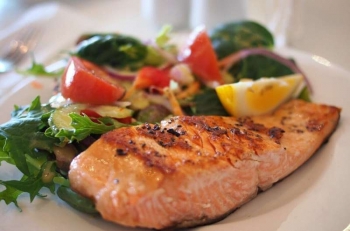
Children of mothers who ate more fish and other seafood while pregnant are smarter and have better developmental skills than kids of women who ate less or none, researchers said on Thursday in findings they called surprising.
Web URL: Read The Scotsman article here
FAB RESEARCH COMMENT:
These new and important findings show that current dietary guidelines for pregnancy - which advise that fish and seafood intake be restricted to no more than 2 portions/week - may in fact be causing the very harms that they were intended to prevent.Current official advice for pregnant women to restrict fish and seafood intake was based on (purely theoretical) concerns about the potential risks from methyl mercury and other environmental contaminents for the brain development of the unborn child.
However, this study found that the benefits of fish and seafood in pregnancy outweigh any such potential risks.
The researchers analysed the data from a large UK birth cohort study (the ALSPAC, or 'Children of the 90s' study) involving over 15000 pregnant mothers and their children - which allowed them to control for numerous other factors already known to influence children's behavioural and cognitive development.
Results showed that the more fish and seafood mothers ate during pregnancy, the better were the outcomes for their children - assessed at 8 years of age - on verbal IQ and a wide range of other measures of both cognition and behaviour.
The children of mothers whose fish and seafood intake during pregnancy exceeded current recommendations was significantly better than that of those whose intake was compliant with the guidelines to restict intake to 2 portions / week.
For details of this research, see:
And for more information on this important topic, please see the following lists, which are frequently updated as more news and research is forthcoming:
16th Feb 2007 - The Scotsman (based on a press release from Reuters, Washington)
---------------------------------------------------------------------------------------------------------------------------------
Children of mothers who ate more fish and other seafood while pregnant are smarter and have better developmental skills than kids of women who ate less or none, researchers said on Thursday in findings they called surprising.
The study, sure to be controversial, sought to assess whether it is wise, as some experts and the U.S. government have recommended, for pregnant women to limit their seafood intake to avoid mercury, a toxin that can harm the nervous system of developing foetuses.
Dr. Joseph Hibbeln, a U.S. National Institutes of Health researcher who led the study in The Lancet medical journal, said seafood is a key source of omega-3 fatty acids, important for fetal brain development.
The researchers said limiting pregnant women's weekly intake to 340 grams (12 ounces) of fish and seafood, as advised by the U.S. government, did not protect their children from developmental problems.
Women who avoid seafood, they said, may actually be harming their babies by depriving them of essential nutrients needed for the developing fetal brain.
"It was very surprising," Hibbeln said in a telephone interview. "We did not expect such clear-cut results of the harm of low seafood consumption."
The study looked at the children of more than 8,000 British women tracked by the University of Bristol to determine how kids fared if their mothers ate more than 12 ounces -- about two average meals.
These children, compared to those whose mothers ate lesser amounts, were more advanced in developmental tests measuring fine motor, communication and social skills as toddlers, behaved better at age 7, and earned higher verbal IQ scores at age 8, the study found.
The differences were striking when looking at kids whose mothers ate no seafood. They were 48 percent more likely to have a relatively low verbal IQ score at age 8 compared to children whose mothers ate the higher amount of seafood.
POLLUTION CONCERNS
The Environmental Working Group, which calls the U.S. recommendations too lenient, said the study highlighted the need for governments to take actions to keep pollutants out of seafood, like cracking down on coal-burning power plants.
"The study reinforces the importance of keeping our seafood supply clean, making sure it's not overly contaminated with mercury and other chemicals that could actually harm brain development," said Jane Houlihan, the group's vice president for research.
Mercury can build up in fish living in waters contaminated with it due to industrial pollution. Mercury can be particularly bad for foetuses and children because it can cause neurological and developmental problems.
In 2004 the U.S. Environmental Protection Agency and Food and Drug Administration advised pregnant women and young children to eat no more than 12 ounces per week of light tuna and other seafood lower in mercury.
The agencies recommended they eat none of some fish with high mercury levels -- shark, swordfish, king mackerel and tilefish -- and no more than 6 ounces (170 grams) a week of albacore tuna because of mercury.
"When you look at the net benefits of the nutrients in seafood and the net risks in seafood, it appears that the advisory inadvertently causes the harm that it was intended to prevent," Hibbeln said.
In a commentary in Lancet, Dr. Gary Myers and Philip Davidson of the University of Rochester Medical Centre in New York wrote, "These results highlight the importance of including fish in the maternal diet during pregnancy and lend support to the popular opinion that fish is brain food."

Food and Behaviour Research is a registered charity (No SC034604) and a company limited by guarantee (Co No SC 253448)
Newsletter Signup
Useful Links
Contact Us
FAB Research
23 Carlton Road
Oxford
OX2 7SA
Important Notice
Medical opinion and guidance should always be sought for any symptoms that might possibly reflect a known or suspected disease, disorder or medical condition. Information provided on this website (or by FAB Research via any other means) does not in any way constitute advice on the treatment of any medical condition formally diagnosed or otherwise.
Site by Redstone Websites. Easy to Use Web Content Management. 2026 © All Rights Reserved.